
Last updated October 16, 2026
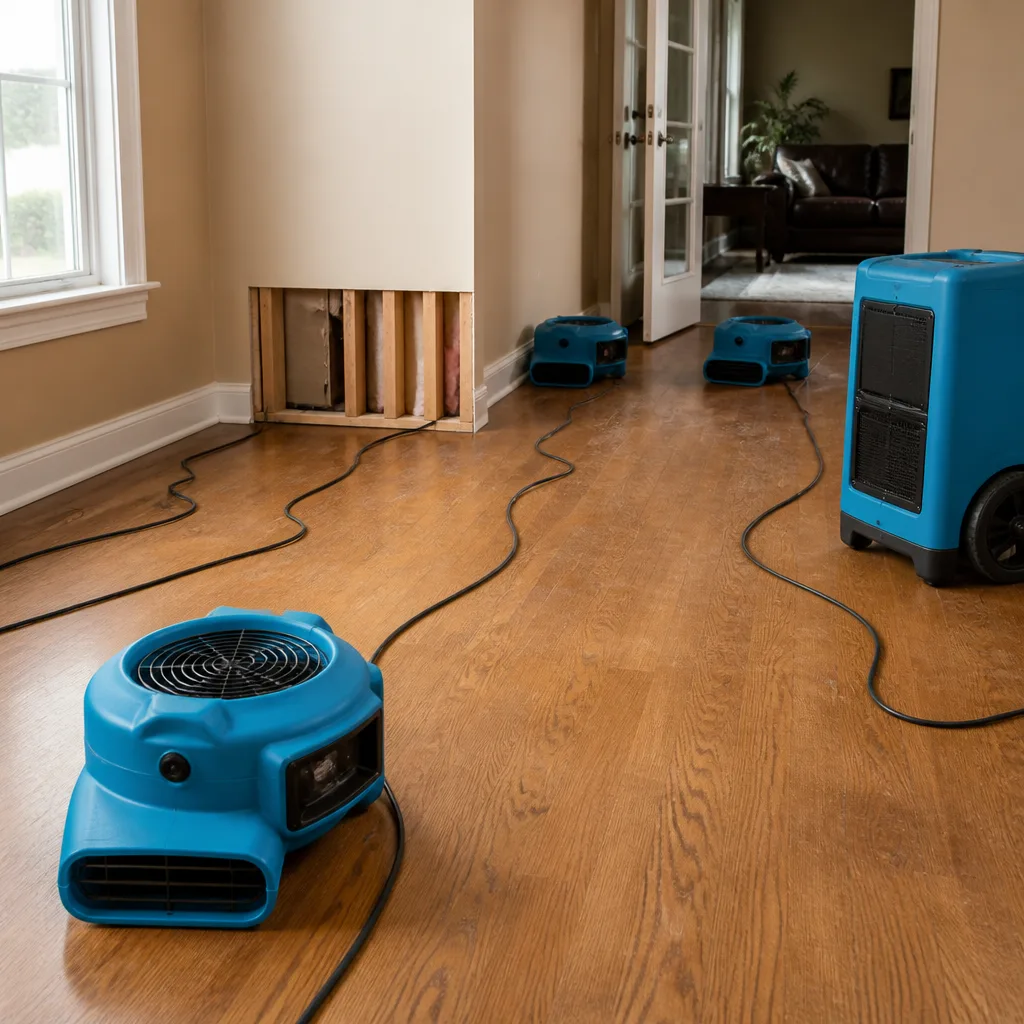 Water damage drying
 Fire & smoke cleanup
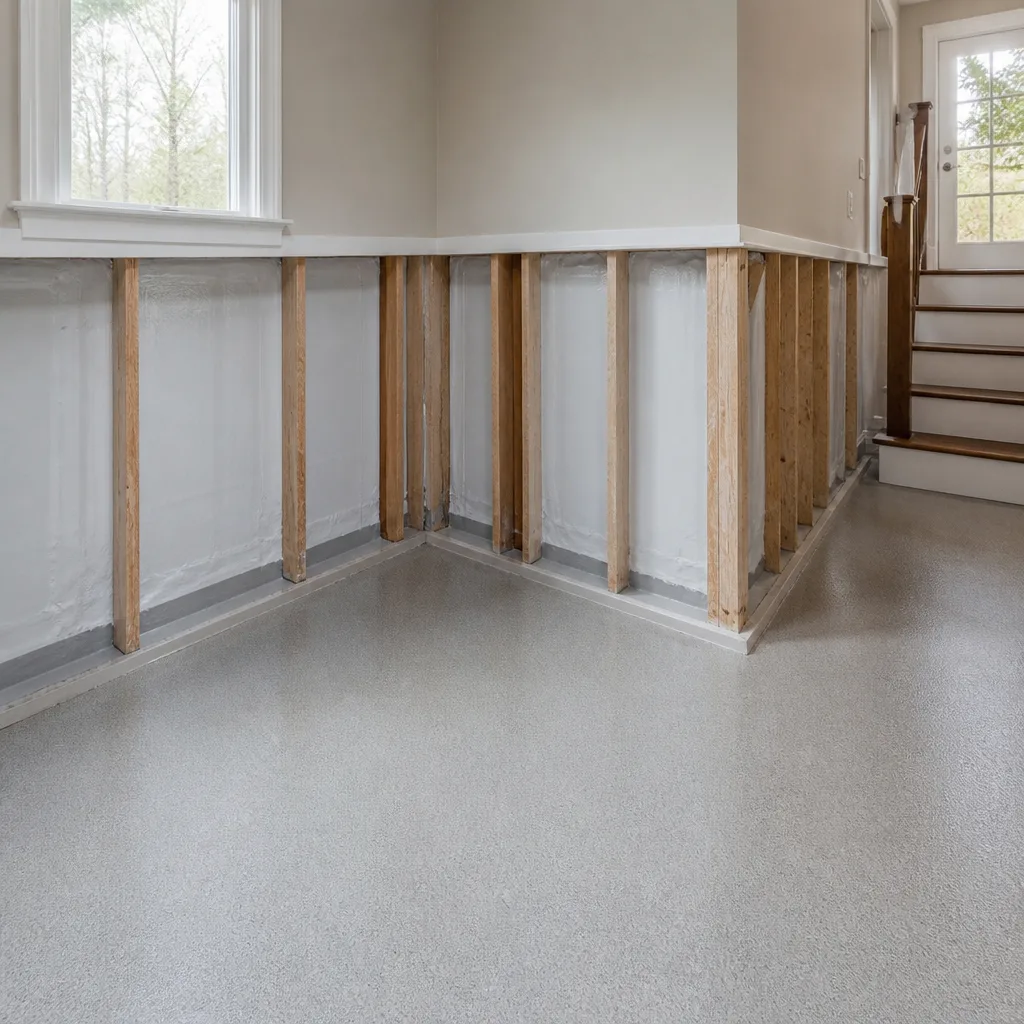 Mold remediation
 Storm response
 Sewage cleanup
 Reconstruction
Free visual inspection and a written scope of work before any mitigation begins - photos, moisture readings, and drying logs go in your claim file
The scope we write is the scope we bill. Anything new gets shown to you, in writing, before we touch it.
Get your free estimateHow to Hire a Damage Restoration Contractor in San Antonio: A Step-by-Step Guide
Some San Antonio restoration contractors arrive on an emergency call with a clipboard before they have a moisture meter, because getting your signature on an open-ended authorization is more urgent to them than assessing your damage. That’s not an exaggeration. We hear it from homeowners in Alamo Heights, Stone Oak, and Helotes every month. This guide to damage restoration in San Antonio walks you through the hiring process step by step, with one goal: making sure you keep control of your money, your insurance claim, and your home while the damage gets fixed properly.
Restoration work we handle
Quick Answer
To hire a damage restoration contractor in San Antonio, verify their IICRC certification and Texas mold remediation license, request a written scope and price before any work starts, confirm they carry liability insurance and workers’ comp, and never sign an Assignment of Benefits form without reading every line and understanding exactly what control you’re giving up. A reputable contractor will hand you a written estimate on the first visit, provide a real technician arrival time, and document the job with before-and-after photos.
Table of Contents
- Assignment of Benefits: The Form That Can Cost You Everything
- How to Verify Certifications, Licenses, and Insurance
- 12 Questions to Ask Before You Sign Anything
- Getting a Written Estimate: What It Should Include
- What a Transparent Contractor Provides vs. Industry-Standard Opacity
- Working With Your Insurance Adjuster: Who Actually Handles What
- Red Flags That Should Make You Hang Up the Phone
- Common Mistakes to Avoid
- When to Call a Professional
- Frequently Asked Questions
- The Bottom Line
Assignment of Benefits: The Form That Can Cost You Everything
An Assignment of Benefits, or AOB, is a legal document that transfers your insurance claim rights to the contractor. Once you sign it, the contractor can bill your insurance company directly, negotiate the settlement, and even sue the insurer if they dispute the bill. On paper, that sounds convenient. In practice, it’s the single most dangerous piece of paper in a San Antonio water damage emergency.
Here’s what an AOB actually does: it makes the contractor the payee on your policy. Your insurance company writes the check to them, not to you. If the contractor inflates the bill, your insurer fights back, and the whole claim can stall for months while your home sits half-repaired. Some San Antonio homeowners have discovered that their mortgage company was never notified, their claim was denied, and the contractor had already filed a lien against the property for work the insurer refused to pay.
AOBs are legal in Texas, and they do have legitimate uses. A contractor who is managing a large commercial loss or a complex multi-trade rebuild may need AOB authority to coordinate payments with the carrier. But on a residential water damage job, you almost never need to sign one. A reputable restoration company can work directly with your insurance company without taking ownership of your claim.
Red Flags on an AOB Form
- The contractor presents the AOB as “standard paperwork” without explaining what it does.
- You’re asked to sign it before anyone has assessed the damage or produced a written scope.
- The form grants the contractor authority to endorse checks, settle the claim, or sue the insurer on your behalf.
- The contractor avoids answering direct questions about how they’ll communicate with your adjuster.
- The AOB is bundled with a work authorization that has no dollar cap and no scope description.
Our position at Wendell Restoration San Antonio is simple: we do not require an AOB for residential work. We put the price in writing before any work starts, we send a digital invoice you can pay from a link, and we coordinate with your adjuster directly. You stay in control of your claim from start to finish. If a contractor insists you sign an AOB on a routine water damage job, call someone else.
How to Verify Certifications, Licenses, and Insurance
“Certified technicians” is one of the most abused phrases in the restoration industry. It can mean the technician holds a current IICRC certification in water damage restoration, or it can mean the owner watched a YouTube video and printed a certificate from a template. In San Antonio, there is a meaningful difference between those two things, and verifying it takes about five minutes.
The IICRC (Institute of Inspection, Cleaning and Restoration Certification) is the gold standard for restoration training. A technician who holds an IICRC Water Damage Restoration Technician (WRT) or Applied Structural Drying (ASD) certification has passed a formal exam and maintains continuing education credits. Ask for the certification number and verify it on the IICRC website’s certification lookup tool. If the company hedges, that’s your answer.
Mold remediation in Texas is regulated by the Texas Department of Licensing and Regulation (TDLR). Any company performing mold assessment or mold remediation must hold a TDLR mold remediation license. The individual doing the work must be a licensed Mold Remediation Technician. You can verify both the company license and the technician credential on the TDLR website. “Certified mold specialist” with no TDLR license is a red flag, not a credential.
Insurance verification is equally straightforward. Ask for a certificate of insurance (COI) listing the contractor as the named insured. Confirm it includes general liability and workers’ compensation. In Texas, workers’ comp is optional for some employers, but a restoration company without it can leave you exposed if a technician is injured on your property. A COI takes one business day to produce. If the contractor can’t produce one, move on.
Quick Verification Checklist
- Ask for the IICRC certification number and verify it on the IICRC lookup tool.
- Ask for the TDLR mold remediation license number and verify it on the TDLR website.
- Request a certificate of insurance showing general liability and workers’ comp.
- Confirm the company name on the COI matches the name on the contract.
- Check that the TDLR license is active, not expired or under disciplinary review.
At Wendell, our technicians work to IICRC, RIA, and IFA standards using professional-grade equipment from Dri-Eaz, Phoenix, XPOWER, B-Air, and Injectidry. We’ll show you our certifications on request, and our Wendell Restoration San Antonio home page lists our service details so you can confirm before you ever pick up the phone.
12 Questions to Ask Before You Sign Anything
You don’t need to be a restoration expert to evaluate a contractor. You need to ask the right questions and pay attention to how they answer. A contractor who gives direct, specific answers is usually a contractor who will give you a direct, specific invoice. A contractor who deflects will deflect about the bill, too.
The Questions
- “Can you give me a written estimate before any work starts?” The only acceptable answer is “yes.” If they say they’ll figure out the price as they go, you’re entering an open-ended arrangement.
- “What certifications do your technicians hold, and can I verify them?” They should name IICRC, RIA, or IFA and offer documentation. “We follow industry standards” is not a certification.
- “Are you licensed by the TDLR for mold remediation?” If the job involves mold, this is non-negotiable. Ask for the license number.
- “Will you provide a certificate of insurance before we start?” A one-day request. No certificate, no contract.
- “What equipment will you use, and why?” Listen for brand names like Dri-Eaz or Phoenix and a real explanation of psychrometric drying (tracking the air’s moisture level so you know when the home is truly dry, not just surface-dry).
- “Will I get a live arrival time, or a four-hour window?” If the answer is “we’ll call you when we’re on the way,” that’s a vague window in disguise.
- “Will you send before-and-after photos by text or email?” Documentation is the difference between a job you can verify and a job you have to trust.
- “How do you handle my insurance claim?” The answer should be “we work directly with your adjuster and provide photo documentation.” If they push an AOB, refer back to the section above.
- “What’s your guarantee, in writing?” Ask for a specific guarantee period and what it covers. Vague promises like “we stand behind our work” aren’t a guarantee.
- “Who is doing the actual work, your employees or subcontractors?” If subcontractors, ask whether they’re background-checked and whether they carry their own insurance.
- “Can you walk me through your drying process step by step?” A real restoration company has a standard protocol and can explain it. A contractor who says “we’ll figure it out when we get there” doesn’t have a protocol.
- “Will I get a written scope of work before you start cutting anything?” The answer should be yes, every time.
Print this list. Keep it by the door. Use it on every emergency call.
Getting a Written Estimate: What It Should Include
A written estimate is your single best protection against price inflation. In San Antonio, water damage restoration from a clean water source typically runs between $1,200 and $4,800 depending on the square footage affected, the amount of demolition required, and how long the water sat before extraction began; see our Water Damage Restoration Maintenance Checklist for San Antonio Homeowners for steps to prevent costly delays. Mold remediation runs higher, often $2,500 to $12,000 for a contained area with air scrubbers and antimicrobial treatment. Those are ballpark ranges. Your exact price depends on the specifics of your home.
A legitimate written estimate will include several specific components. If any of them are missing, ask for them before you sign.
What a Written Estimate Should Include
- A line-item scope of work: every task, from water extraction to drywall removal to mold remediation, listed separately with a dollar amount.
- Equipment list and daily rates: how many air movers, dehumidifiers, and air scrubbers will be deployed, and what each costs per day.
- Projected drying time: typically 3 to 5 days for a standard water loss in San Antonio’s climate, which can extend in humidity-heavy summer months.
- Projected demolition and rebuild costs: if drywall, flooring, or cabinetry must be removed, the estimate should cover both the removal and the replacement.
- Antimicrobial treatment scope: what areas will be treated, with what product, and at what cost.
- Payment terms: when payment is due, what forms of payment are accepted, and whether insurance proceeds can be assigned directly without an AOB.
A contractor who refuses to put the price in writing before starting work is not a contractor you should hire. At Wendell, we put the number on the screen before we touch a single tool. The digital invoice arrives by text, you pay from the link, and the number on the screen is the number you pay. That’s the entire system.
What a Transparent Contractor Provides vs. Industry-Standard Opacity
Restoration is one of the few industries where you can hire a company to enter your home during an emergency and still have no idea what the final bill will be. The difference between a transparent contractor and an opaque one is measurable, and it’s worth knowing before an emergency hits.
Here’s the side-by-side comparison.
Transparent Contractor (What You Should Expect)
- Written scope of work and price before any work starts.
- Live technician arrival time you can track, not a four-hour window.
- Before-and-after photo updates by text or email, so you can see the drying progress even if you’re at work.
- Digital invoice sent by text, payable from a link, with the same number as the original estimate.
- Written guarantee on every repair, with a specific coverage period.
- Direct communication with your insurance adjuster, including photo documentation and moisture readings.
- Certificate of insurance provided on request, no hesitation.
- Background-checked, uniformed technicians whose names you know before they arrive.
Industry-Standard Opacity (What to Watch For)
- No written estimate: “We’ll work with your insurance company and figure it out.”
- Vague arrival windows: “We’ll be there sometime between 9 and 5.”
- No photo documentation: you’re expected to trust that the work was done because the technician said so.
- Paper invoice mailed weeks later, with line items you don’t recognize and prices you never approved.
- Verbal promises of quality with no written guarantee.
- No direct adjuster communication: you become the middleman between the contractor and the insurer.
- No insurance certificate: “We’re fully insured” without producing the document.
- Unidentified workers: you don’t know who is in your home, and they can’t show credentials.
We designed Wendell around the left column because the right column is what most San Antonio homeowners actually experience. The Relay Standard, our operating system, is built on three non-negotiables: a written price before any work starts, a written guarantee on every repair, and a free second visit if the repair fails. Those aren’t marketing slogans. They’re written into every job.
Working With Your Insurance Adjuster: Who Actually Handles What
The relationship between your restoration contractor and your insurance adjuster matters more than most homeowners realize. A contractor who works well with adjusters can move your claim forward faster. A contractor who antagonizes the adjuster can stall your claim for weeks.
Here’s what a good restoration contractor actually does with your insurance company:
- Documents the damage with detailed photos, moisture readings, and a written scope before any demolition begins.
- Communicates directly with the adjuster about what was found, what’s needed, and why.
- Provides the adjuster with equipment logs and daily moisture readings to justify the drying time.
- Coordinates with the adjuster on price, so the settlement matches the actual work performed.
- Keeps you informed of every communication, so you’re never guessing about where your claim stands.
What a good contractor does not do is ask you to sign an AOB so they can bill your insurer directly at whatever rate they choose. That’s not coordination. That’s a power grab.
San Antonio homeowners should also know that Texas has a deadline for filing insurance claims, typically one year from the date of loss, depending on the policy. If you wait too long, your claim can be denied. Start the process early, document everything, and keep your own photos of the damage before the restoration team arrives. The more documentation you have, the stronger your claim.
If you’re dealing with Water Damage Restoration in San Antonio, your contractor should be able to walk you through the claims process step by step without taking control of it.
Red Flags That Should Make You Hang Up the Phone
Some restoration companies in San Antonio are excellent. Some are not. Here are the specific behaviors that should end the conversation immediately.
- AOB pressure: The contractor presents an Assignment of Benefits as “standard” or “just something we need you to sign.” That’s not standard. That’s a red flag.
- No written estimate: Any contractor who refuses to put a price in writing before work starts is betting on your confusion.
- Unverifiable certifications: “Certified technicians” with no certification numbers, no IICRC registration, and no TDLR license.
- No certificate of insurance: A legitimate company can produce a COI in one business day. If they stall, they’re uninsured or underinsured.
- Cash-only payment: Restoration work is almost always paid by check, card, or insurance. Cash-only requests are a signal that the business is not operating above board.
- Storm chasers: After heavy San Antonio storms, out-of-town contractors show up offering “free inspections.” They’re not from here, they don’t know local building codes, and they disappear when problems arise.
- No local address: A P.O. box or a phone number with no physical location in the San Antonio area means you’ll have nowhere to go when something goes wrong.
- High-pressure sales tactics: “You need to sign today or the price goes up.” Restoration is urgent, but a legitimate contractor will give you time to review a written estimate.
Trust your gut. If a contractor feels wrong, they probably are. There are enough good restoration companies in San Antonio that you don’t need to settle for one that makes you uneasy. Explore our more guides & resources to stay informed before any emergency.
Common Mistakes to Avoid
- Signing an AOB without reading it. This is the biggest and most expensive mistake. The form can transfer control of your entire insurance claim to a contractor you’ve known for ten minutes.
- Hiring based on the lowest bid alone. In restoration, a low bid often means missing line items: no antimicrobial treatment, insufficient drying time, or no rebuild scope. You’ll pay more when the job has to be redone.
- Waiting to start mitigation because you don’t know who to call. Water damage in San Antonio’s warm climate doesn’t pause while you deliberate. Mold growth can begin within 24 to 48 hours, and the longer water sits, the more expensive the remediation becomes.
- Not documenting the damage before cleanup starts. Your own photos are the best evidence for your insurance claim. Take pictures of every affected area before the restoration crew arrives.
- Assuming “licensed and insured” actually means licensed and insured. Everyone claims it. Ask for the documentation.
- Paying the full amount before the work is complete. A legitimate restoration company will not ask for full payment upfront. Progress payments tied to completed milestones are reasonable; full payment before the drying is verified is not.
- Ignoring the guarantee. Ask what happens if the work fails. A written guarantee with a specific coverage period is standard for quality restoration companies.
When to Call a Professional
Call a professional restoration company the moment you discover standing water, a sewage backup, or visible mold growth. These are situations where the damage will get worse by the hour, and DIY attempts with a shop vac and a fan almost always leave moisture trapped behind walls and under flooring. In San Antonio’s heat and humidity, trapped moisture turns into mold fast. Wendell Restoration San Antonio offers free estimates in San Antonio, and our Mold Remediation in San Antonio service includes full containment, air scrubbing, and TDLR-compliant remediation. Call (325) 413-9949 for an honest, written assessment.
Frequently Asked Questions
Water damage restoration in San Antonio typically costs $1,200 to $4,800 for a standard clean water loss, depending on the affected square footage, demolition required, and drying time. Mold remediation runs higher, usually $2,500 to $12,000. Call (325) 413-9949 for an exact written quote, free of charge.
An Assignment of Benefits is a legal document that transfers your insurance claim rights to the contractor, allowing them to bill your insurer directly and negotiate the settlement. For most residential water damage jobs, you should not sign one. A reputable contractor can work with your insurance company without taking ownership of your claim.
A responsive restoration company should be able to dispatch a technician to your San Antonio home within 1 to 2 hours of your call during an active emergency. Ask whether you’ll get a live arrival time you can track or a vague four-hour window. The difference matters.
Yes. Mold remediation in Texas requires a TDLR mold remediation license for the company and a Mold Remediation Technician credential for the individual doing the work. Verify both on the TDLR website before hiring.
Most standard homeowner’s policies cover sudden and accidental water damage, such as a burst pipe, but exclude gradual leaks and flood damage from rising water. Flood insurance is a separate policy. A restoration contractor with direct adjuster coordination can help document the damage properly for your claim.
Mold remediation is required when the affected area exceeds roughly 10 square feet, when the mold is in the HVAC system, or when the water source was contaminated. A surface cleaning is not enough in these cases. A TDLR-licensed assessor can tell you which situation you’re in. Call (325) 413-9949 for a straightforward assessment before you pay for unnecessary work.
The Bottom Line
Hiring a damage restoration contractor in San Antonio comes down to five things: verify the certifications, get a written price before work starts, never sign an AOB you don’t fully understand, demand photo documentation and a live arrival time, and get a written guarantee on every repair. A contractor who meets those five standards will fix your home properly. A contractor who resists any of them will cost you money and stress. Wendell Restoration San Antonio was built on those five standards, and we’ve been serving San Antonio since 2006. For Water Damage Repair in San Antonio or any restoration need, call (325) 413-9949 and ask for a written estimate. You’ll get one before any work starts.
Written by Blake Sorensen, Owner at Wendell Restoration San Antonio, serving San Antonio since 2006.
See the difference
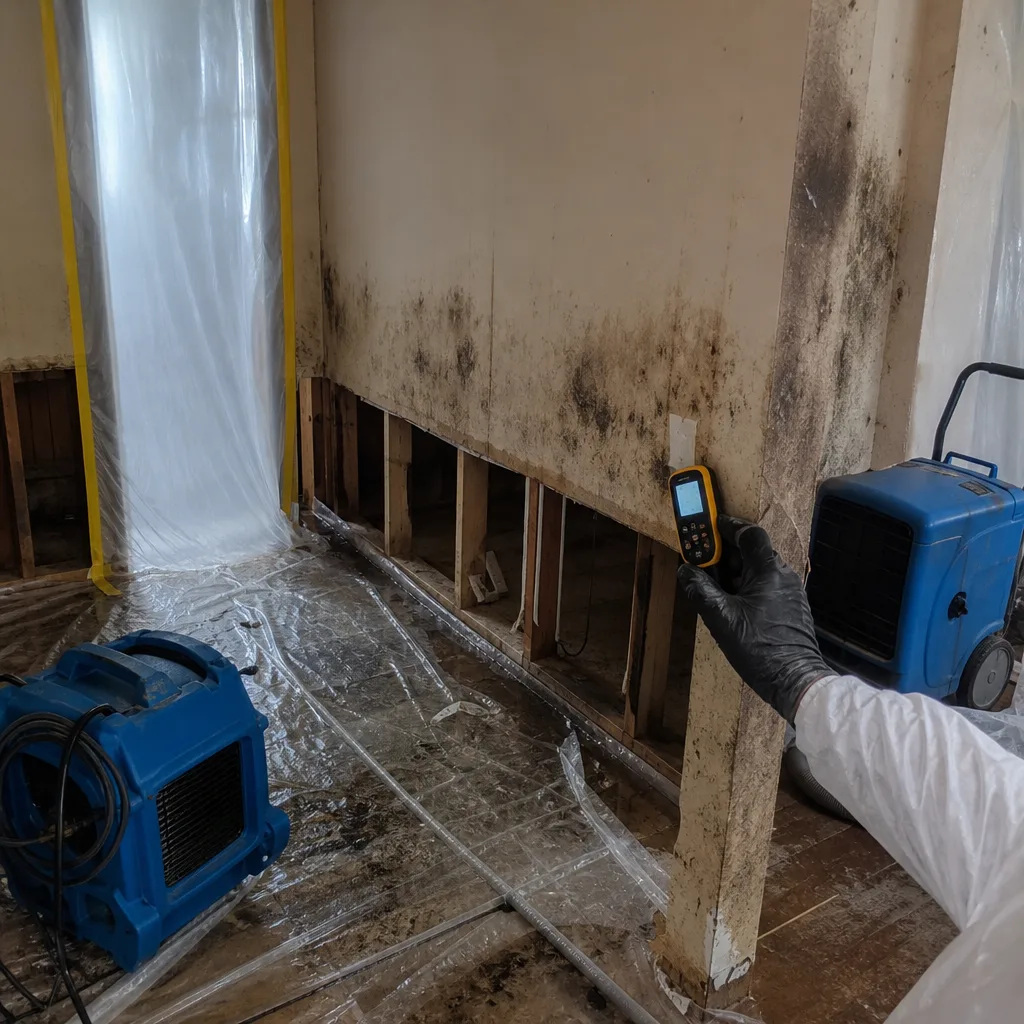 Before
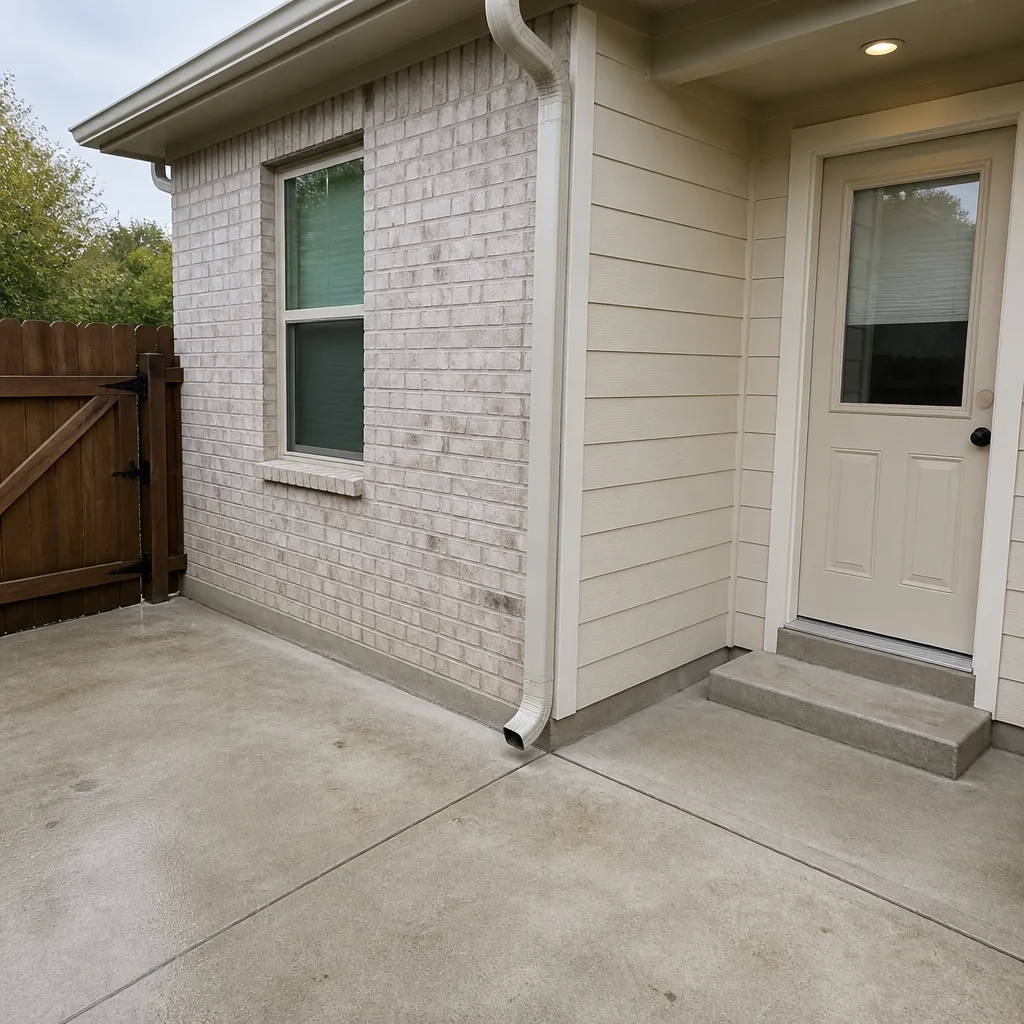 After
After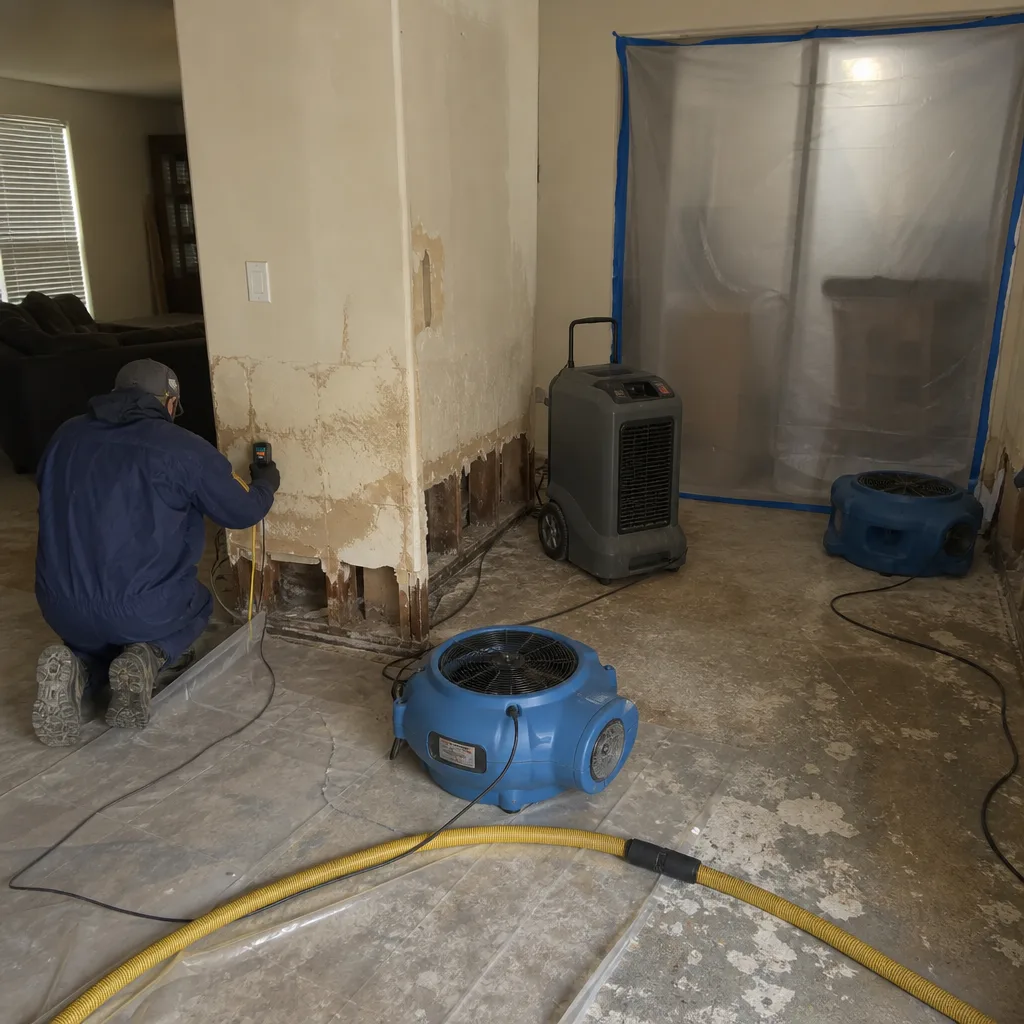 Before
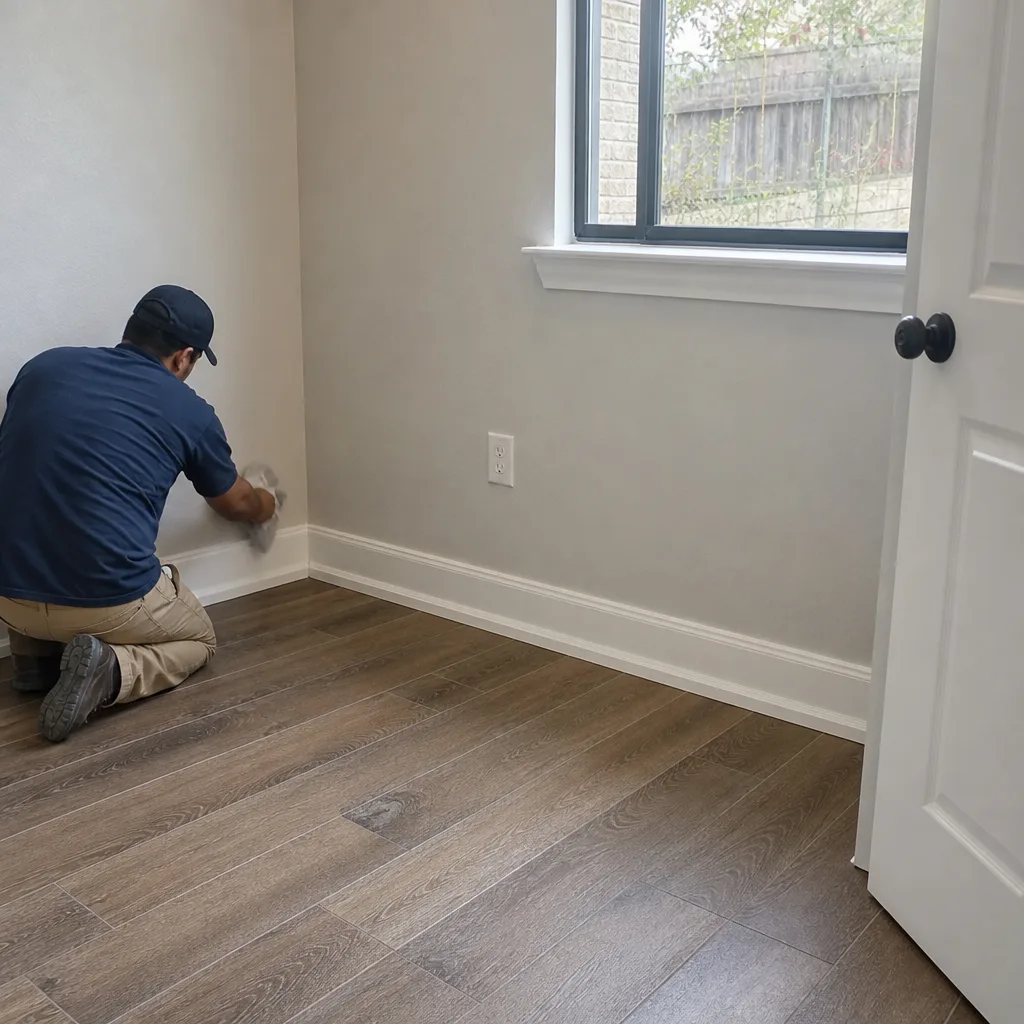 After
After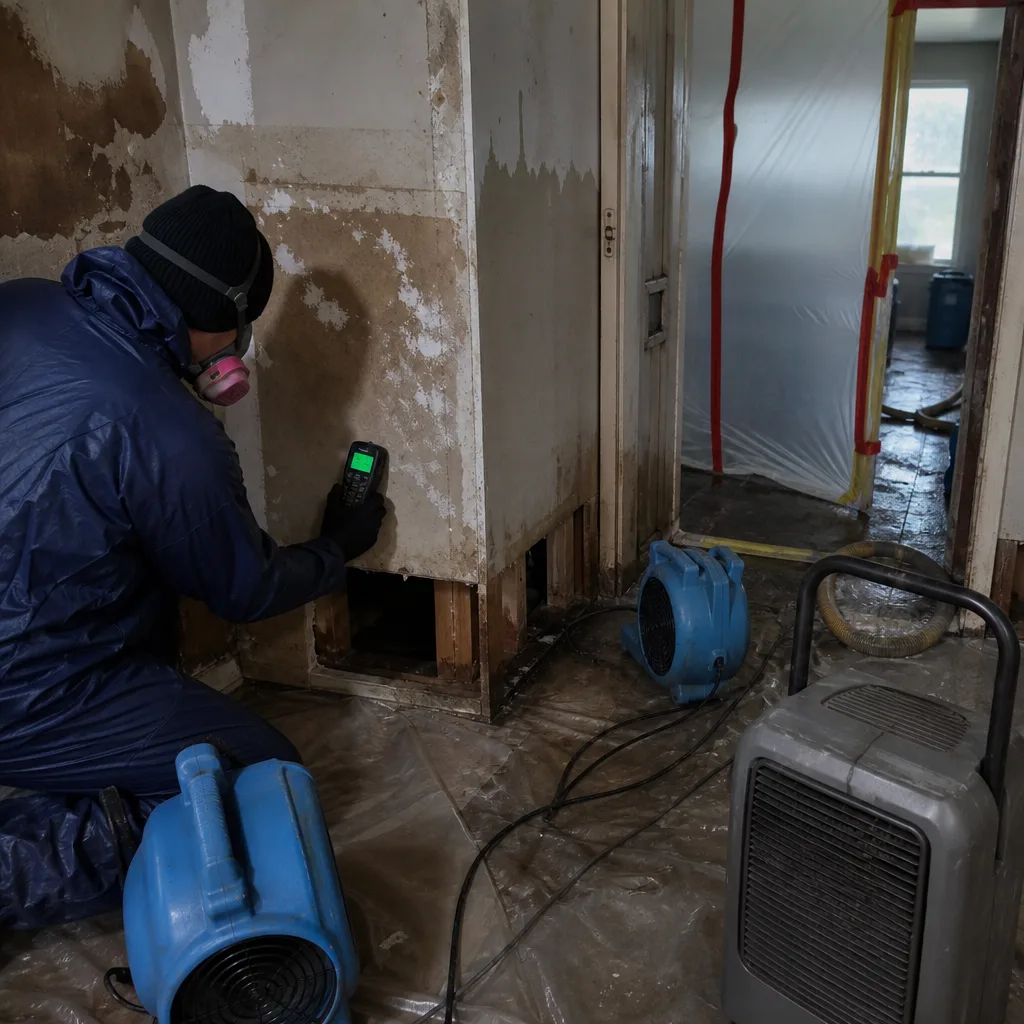 Before
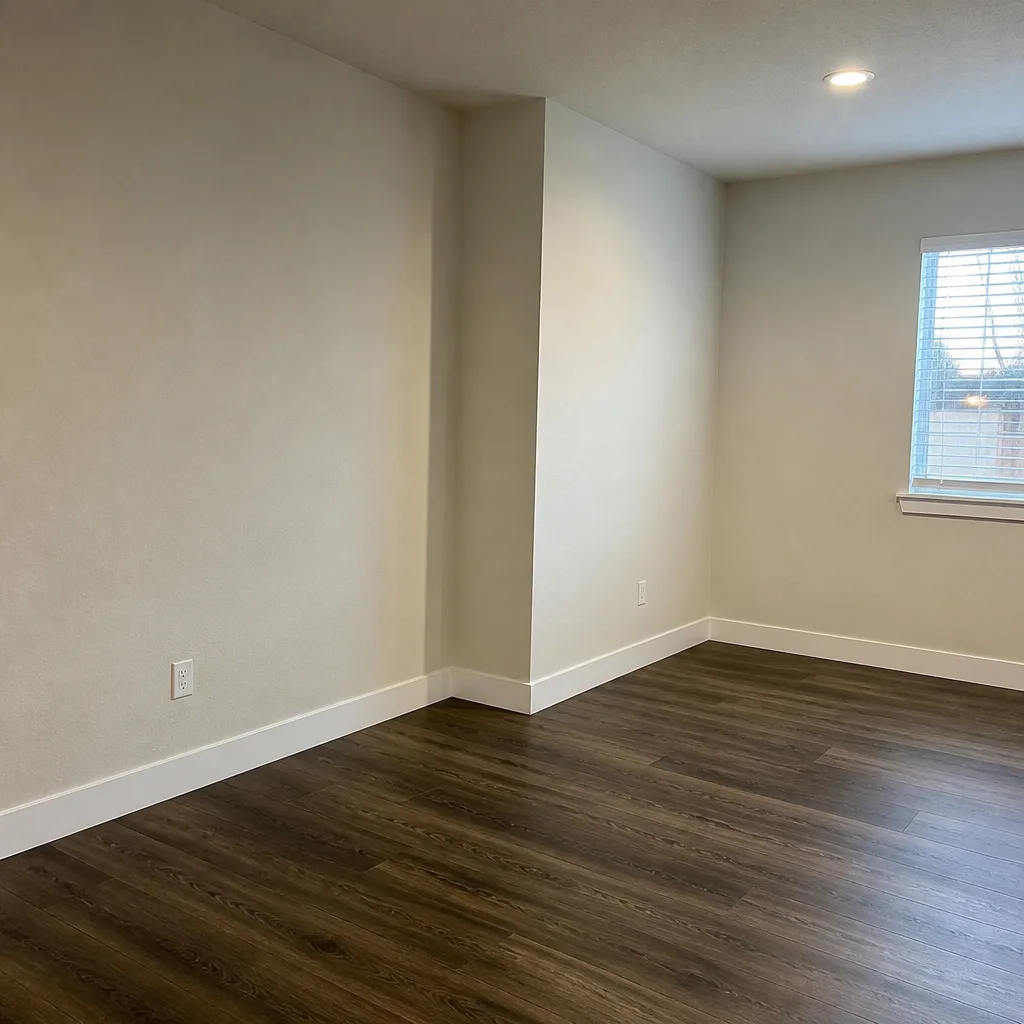 After
After