
Last updated October 16, 2026
 Water damage drying
 Fire & smoke cleanup
 Mold remediation
 Storm response
 Sewage cleanup
 Reconstruction
Free visual inspection and a written scope of work before any mitigation begins - photos, moisture readings, and drying logs go in your claim file
The scope we write is the scope we bill. Anything new gets shown to you, in writing, before we touch it.
Get your free estimateThe Complete Guide to Damage Restoration in San Antonio
The average San Antonio homeowner calls one restoration company, assumes they handle everything, and discovers three subcontractors later that nobody told them who was actually doing the work or what it costs. Damage restoration isn’t a single job. It’s a sequence of distinct, licensed phases, and confusing them is exactly how restoration bills balloon without warning. This guide maps every phase in plain language, from the first emergency call through the final inspection, so you can follow along, ask the right questions, and never get surprised by a line item. For damage restoration warning signs every San Antonio homeowner should know, see our companion guide. Here’s what San Antonio homeowners need to know.
Quick Answer
Damage restoration in San Antonio is a phased process: emergency mitigation stops the damage, psychrometric drying removes hidden moisture using professional-grade equipment like B-Air and Injectidry systems, demolition removes unsalvageable materials, rebuild restores the structure, and a final inspection verifies the work. The biggest mistake homeowners make is hiring a mitigation-only company that doesn’t disclose which phases will be subcontracted out. In San Antonio, expect water damage restoration to cost $2,000 to $7,500 for a typical single-room incident, with the mitigation phase running $800 to $3,000, drying $1,000 to $2,800, and rebuild work varying widely based on materials. If you’re dealing with water, fire, or mold damage in San Antonio, call Wendell Restoration San Antonio home at (325) 413-9949 and ask for a written scope of work before anything starts.
Restoration work we handle
Table of Contents
- The Five Phases of Damage Restoration: A Roadmap
- What IICRC S500 Protocol Actually Requires
- How San Antonio’s Climate Changes Drying Timelines
- Mitigation Company vs. Remediation Company vs. General Contractor
- What a Written Scope of Work Must Include
- What Damage Restoration Costs in San Antonio
- How Insurance Claims Fit Into the Process
- Common Mistakes to Avoid
- When to Call a Professional
- Frequently Asked Questions
The Five Phases of Damage Restoration: A Roadmap
Here’s the sequence that catches most San Antonio homeowners off guard: you don’t actually get to skip phases, and each phase has its own pricing structure, its own documentation requirements, and its own handoff point. Understanding what triggers the move from one phase to the next is the single most useful thing you can learn before you ever make a phone call.
- Emergency Mitigation (Hours 0 – 48). This is the stop-the-bleeding phase. Technicians extract standing water, remove unsalvageable contents, set up containment barriers, and deploy initial drying equipment. In San Antonio’s summer heat, mold can begin colonizing within 24 – 48 hours, which is why this phase starts immediately, not next week. The trigger that ends this phase: standing water is fully extracted and the affected area is stabilized.
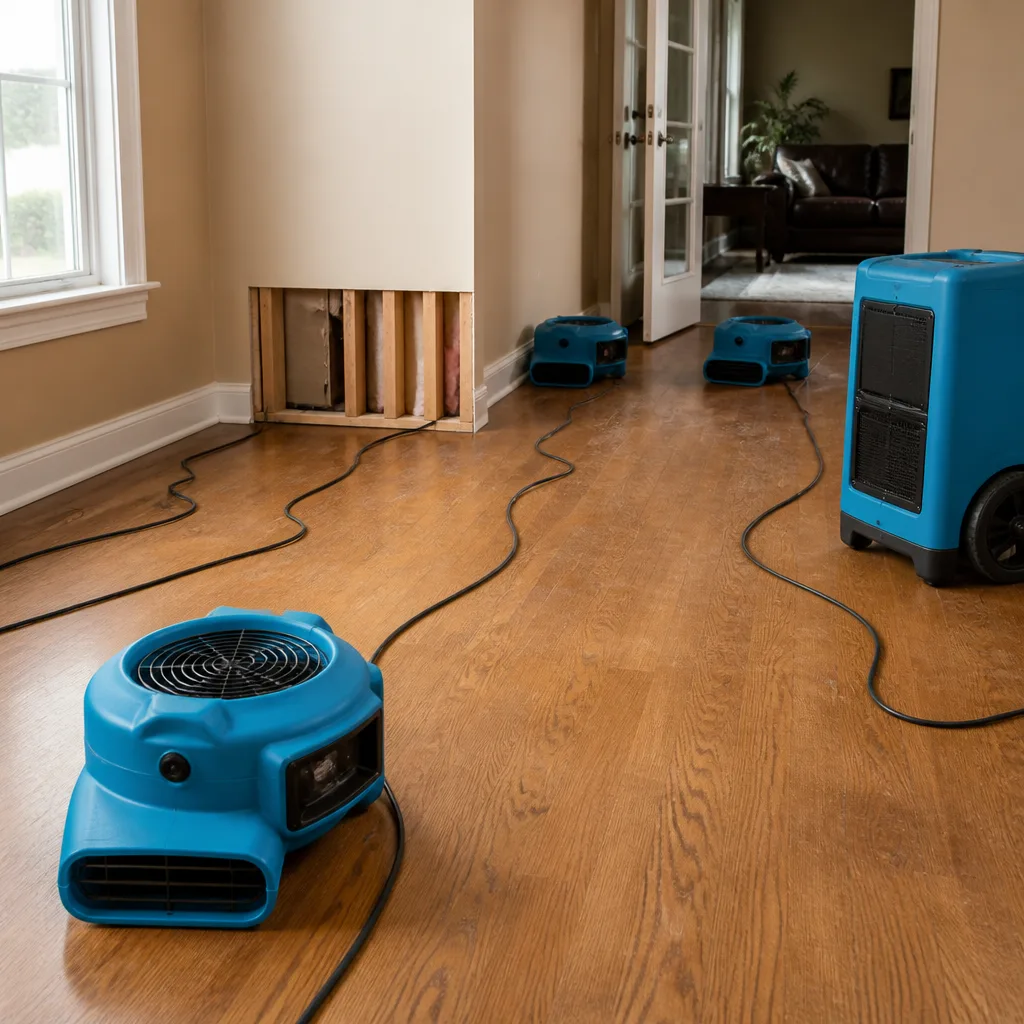
- Psychrometric Drying (Days 2 – 5). This is where the science happens. Technicians place air movers, dehumidifiers, and in-wall drying systems, then take daily moisture readings to track the drying curve. The trigger that ends this phase: moisture readings across all affected materials return to pre-loss conditions, documented in writing. Not surface-dry. Dry at the core, measured with professional-grade equipment like XPOWER air movers and Injectidry in-wall systems.
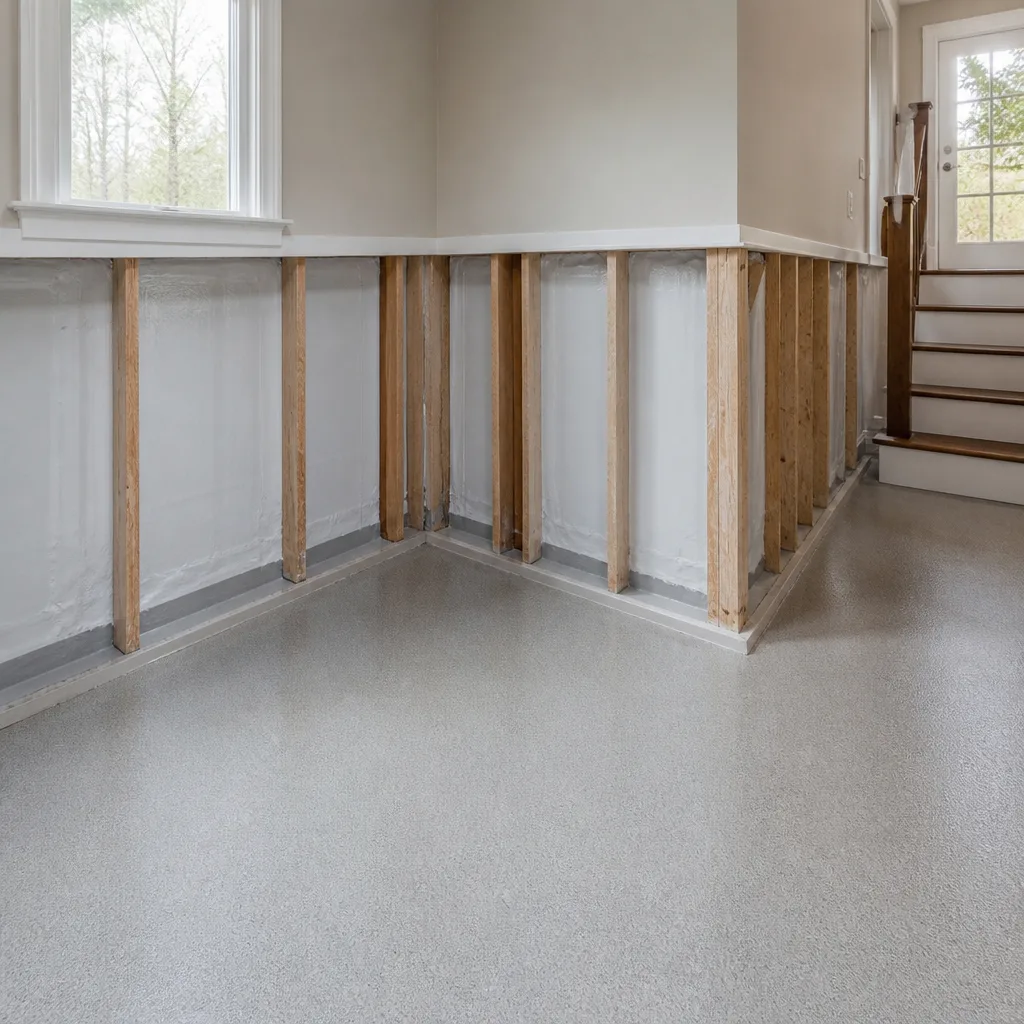
- Demolition (Overlaps with Drying). Materials that can’t be dried get cut out: drywall, baseboards, carpet padding, sometimes flooring. This overlap is intentional. You don’t wait for everything to dry before removing what’s already ruined. The trigger that ends this phase: all unsalvageable materials are removed and disposed of, with a clear demarcation between the dried structure and the open spaces awaiting rebuild.
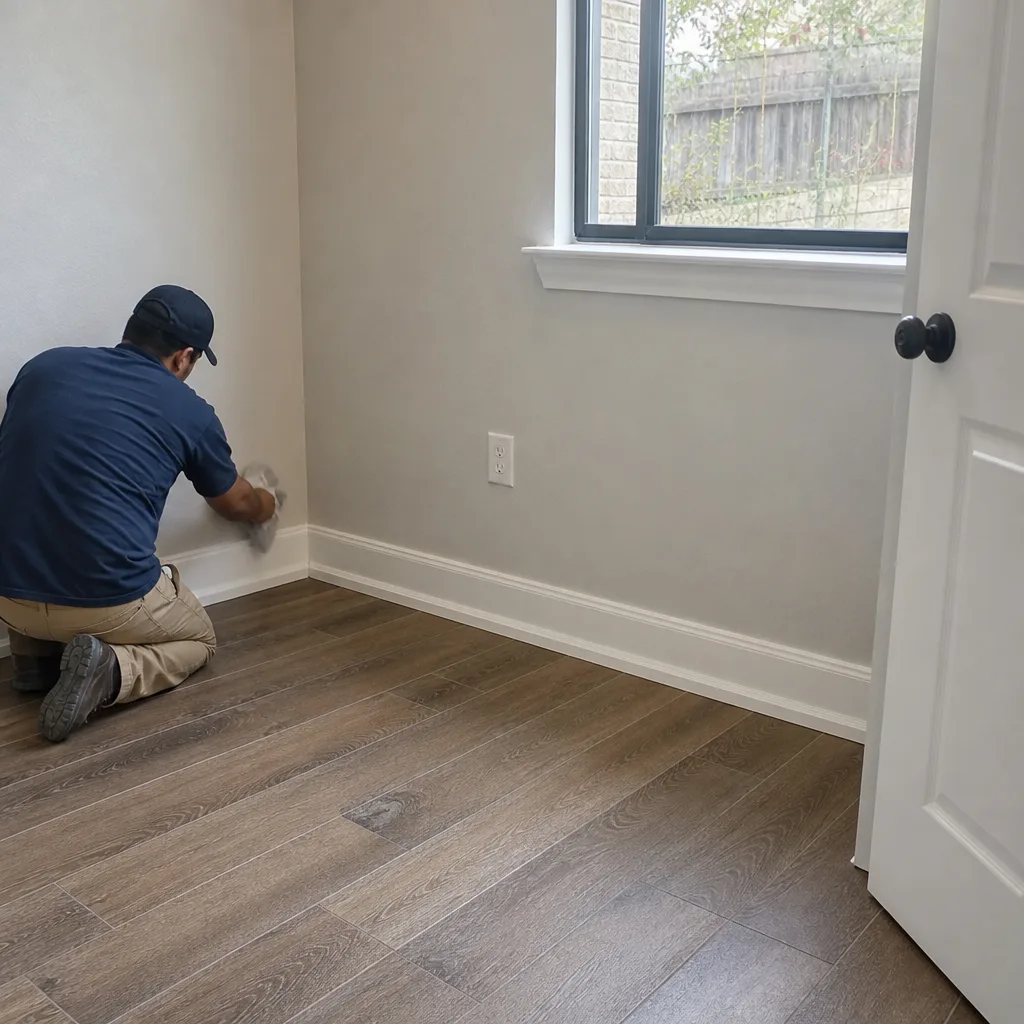
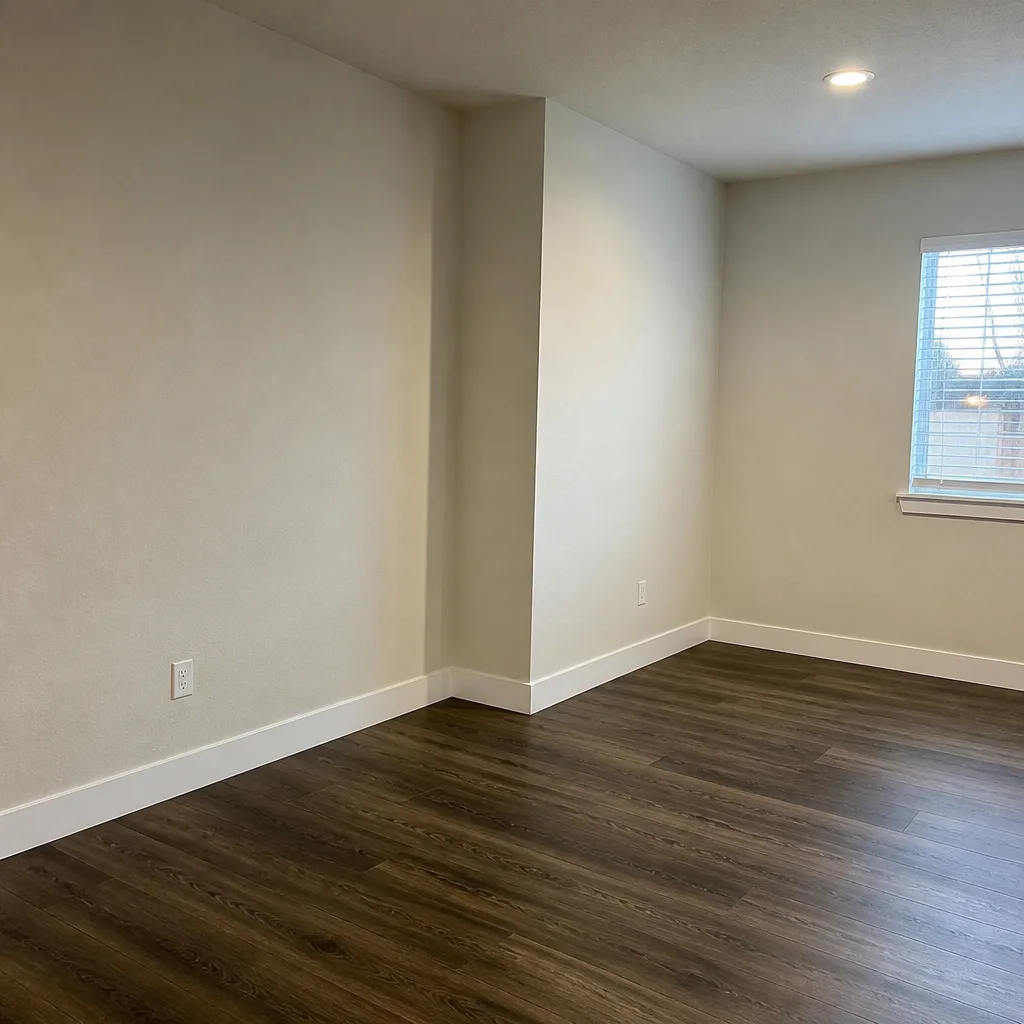
- Rebuild (Days 7 – 30+). This is construction, not mitigation. New drywall, paint, trim, flooring, cabinetry. The trigger that ends this phase: the structure is restored to pre-loss condition or better, and the work passes a visual and moisture inspection.
- Final Inspection (Day 30+). A documented walkthrough verifying that moisture readings are within acceptable ranges, the rebuild matches the agreed scope, and all work meets IICRC standards. The trigger that ends this phase: you sign off, and you receive the documentation package.
Here’s the thing most companies won’t tell you: many mitigation companies don’t do rebuild. They’ll dry your home, hand you a check from your insurance, and wave goodbye. If you don’t ask who’s handling rebuild before you sign, you’ll find out the hard way that you’re now the general contractor. At Wendell, we handle Water Damage Restoration in San Antonio across all five phases, and you get a written price before we touch a single tool.
What IICRC S500 Protocol Actually Requires
IICRC S500 is the industry standard for professional water damage restoration, but most homeowners only know it as a certification logo. What it actually requires technicians to document is specific, and you should demand proof at every step. If a company can’t show you this documentation, they’re not following protocol, no matter what their website says.
Here’s what S500-compliant documentation looks like:
- Initial moisture readings on every affected material, recorded before any drying equipment is placed. Not a visual estimate, an actual meter reading. Carpet, drywall, subfloor, baseboards, studs – every surface that got wet gets a number.
- A drying chamber measurement that establishes the humidity, temperature, and grain depression (a measure of how aggressively the air is pulling moisture from materials). This tells you whether the dehumidifiers are actually working, not just running.
- Daily moisture logs showing the drying curve over time. If readings aren’t dropping, something’s wrong, and S500 requires adjusting the drying plan, not just waiting longer.
- Equipment counts and placement maps. How many air movers, what size dehumidifiers, which rooms they’re in. This matters because under-equipping a drying job is the most common way to drag a 3-day dry into a 7-day dry.
- Before and after photos documenting the damage and the completed mitigation. Some of this is for insurance, but the real value is you, the homeowner, having a record of what was actually done.
Psychrometric drying, by the way, is just the technical term for tracking the air’s moisture level during the drying process. At Wendell, our technicians log this data on every job and send you before-and-after photos by text, so you can see the drying curve yourself, not just trust that it’s happening.
In our experience, the difference between a 4-day dry and a 10-day dry in San Antonio is usually equipment count and monitoring frequency. A home dried with one B-Air dehumidifier and two air movers is going to take dramatically longer than the same home dried with a properly calculated equipment layout. That’s why S500 exists, and that’s why we follow it strictly on every single job.
How San Antonio’s Climate Changes Drying Timelines
San Antonio’s climate fights drying in two specific ways, and national averages don’t account for either of them. First, the clay-heavy soil beneath most San Antonio homes holds groundwater longer after heavy rain, which means crawlspaces and slab foundations can stay wet long after the visible puddles are gone. Second, the summer humidity, routinely above 70 percent RH from May through September, means the air itself is saturated and can’t absorb much additional moisture. Drying equipment has to work harder, and drying takes longer, everywhere in San Antonio during those months.
Here’s what that means in practical terms:
- Expect drying times to run 20 – 40 percent longer in summer than the national 3 – 5 day averages most restoration guides quote. In a humid room, a properly equipped dry might still take 5 – 7 days, especially in older homes with plaster walls or multiple layers of flooring.
- Slab homes need subfloor inspection. Clay soil expands and contracts with moisture, and a slow leak under a slab can wick upward through the concrete for weeks before you see it on the surface. If your water damage came from a slab leak, the visible damage is often the minority of the actual moisture load.
- Crawlspaces in older San Antonio neighborhoods like Jefferson, Monticello Park, and Lavaca often have inadequate vapor barriers, which means the drying chamber extends under your house. If a mitigation company doesn’t inspect and dry the crawlspace, you’ll get a re-wet within weeks.
- Fall and winter flip the problem. Cooler air holds less moisture, so drying is faster, but unheated homes can drop below the ideal drying temperature range, and evaporative drying slows down. A technician who knows San Antonio knows to adjust equipment placement seasonally.
This is where local experience actually shows up. A national franchise dispatching a crew from Dallas might not account for San Antonio’s clay soil, and they’ll pull their equipment before the slab is actually dry. We’ve seen it happen. The fix is simple: ask for daily moisture readings, and don’t let anyone declare the job done without showing you the numbers. If you’re concerned about drying timelines or just want a realistic estimate for your specific situation, call (325) 413-9949 and we’ll walk you through it.
Mitigation Company vs. Remediation Company vs. General Contractor
This is the section that saves San Antonio homeowners the most money and headache. Most people think “the restoration company” handles everything. It doesn’t. There are three distinct roles, and most companies only fill one or two of them. Knowing the difference before you sign is how you avoid the three-subcontractor surprise.
- Mitigation company. Stops the active damage. Extracts water, sets up drying, removes wet materials, sanitizes, and stabilizes the structure. They’re the ones you call first. Their job ends when the home is dry and safe. They typically don’t rebuild.
- Remediation company. Handles contamination. Mold remediation, sewage cleanup, biohazard work. They’re IICRC-certified and follow containment protocols to prevent cross-contamination. They also don’t typically rebuild. For mold-specific work, you’d want to talk to a dedicated Mold Remediation in San Antonio team.
- General contractor. The rebuild phase. New drywall, flooring, paint, cabinetry. They’re licensed for construction and work from a scope of work and building permits. They don’t do mitigation and they don’t do mold containment, but they’re essential for the last phase.
Here’s the trap: a mitigation company says “we handle everything” and brings in a remediation subcontractor for the mold and a GC subcontractor for the rebuild. Now you have three companies, three invoices, three warranties, and no single point of accountability. The mitigation company marks up the sub’s work 20 – 30 percent, and you find out when the first invoice arrives.
The alternative is choosing a company that performs mitigation and repair in-house, like we do at Wendell. We handle the full sequence from emergency extraction through Water Damage Repair in San Antonio and final inspection, with one written price before work starts and a 365-Day Done Right Promise on every single repair. No subcontractor surprises, no finger-pointing, one company accountable for the entire job.
What a Written Scope of Work Must Include
The single most important document in any damage restoration project is the written scope of work. It should be provided before a single tool is touched, and if a company hesitates to give you one, that’s your sign to find another company. Here’s what a legitimate scope looks like, line by line.
- Every affected area, room by room. Not “master suite.” It should say “master bedroom, north wall, 12 linear feet of baseboard, 8×10 section of drywall, carpet and pad in 200 sq ft area.” If it doesn’t specify, the estimate is a guess.
- Initial moisture readings for each area. The actual numbers from the moisture meters. If a company doesn’t take readings before quoting, they cannot know how much drying you’ll need, which means the quote is fiction.
- Equipment list with counts. “3 XPOWER air movers, 1 B-Air 150-pint dehumidifier, 2 Injectidry in-wall drying systems, placement in rooms A, B, and C.” Specific counts, specific equipment, specific placement. This is what determines whether your job gets dried in four days or four weeks.
- Labor breakdown. How many technicians, how many hours, at what hourly rate for extraction, drying, demolition, and rebuild separately. If it’s one lump sum with no breakdown, you can’t verify anything.
- Materials and replacement specifications. What type of drywall, what grade of carpet, what paint finish. This is critical for rebuild. If the scope says “replace flooring” without specifying material, you’ll get the cheapest option available and have no recourse.
- Milestones and payment schedule. When each phase ends, what amount is due, and what triggers the next phase. A legitimate scope is a project plan, not a one-page estimate.
- Exclusions. What’s not covered. Plumbing repairs, roofing, electrical work that isn’t water-related, anything outside the agreed scope. This section prevents the “that wasn’t included” conversation later.
Wendell puts the price in writing before any work starts, and we send a digital invoice by text so you can pay from the link. The number on the screen is the number you pay. If we need to adjust the scope mid-project, you approve it in writing before we proceed. No surprise line items, no vague “TBD” entries, ever.
What Damage Restoration Costs in San Antonio
Here are real San Antonio price ranges, based on what we see across the city every week. Costs vary by square footage, material type, and drying complexity, but these numbers give you a realistic starting point before you ever pick up the phone. Every price assumes water damage from clean domestic sources like a supply line or appliance leak. Sewage backup or floodwater increases mitigation costs by 30 – 60 percent due to contamination protocols.
- Emergency water extraction: $500 – $1,500, depending on square footage and water volume
- Psychrometric drying (equipment and monitoring): $1,000 – $2,800 for a standard single-room dry, $3,000 – $6,000 for multi-room
- Demolition and disposal: $600 – $2,000 for standard drywall, baseboard, and carpet removal
- Mold remediation (contained area): $1,500 – $3,500 for a small to medium area; $4,000 – $10,000 for crawlspace or whole-room remediation
- Rebuild (materials and labor): $2,000 – $8,000 for drywall replacement, paint, trim, and flooring in a single room; $10,000 – $30,000+ for kitchen or bathroom rebuilds
- Full restoration (mitigation + rebuild) for a single room: $4,000 – $10,000 typical; $15,000 – $40,000 for a major kitchen or bath event
These are all-in ranges for San Antonio, where labor costs run slightly below national averages, but the humidity factor often pushes drying equipment rental windows longer than the national norm. The price difference between a 4-day dry and an 8-day dry is real, and it’s driven by equipment count and daily monitoring. This is why a precise written scope matters: the cheaper quote that under-equips the dry often ends up costing more in the end. For an exact quote, call (325) 413-9949. Estimates are free, and the price is always in writing before any work starts.
How Insurance Claims Fit Into the Process
Insurance is almost always in the room, even when it’s unspoken. Here’s how it actually works in San Antonio: your homeowner’s policy covers sudden and accidental water damage, fire damage, and most storm damage. It typically does not cover gradual leaks, long-term seepage, or maintenance-related failures. Mold coverage varies by policy and often carries sub-limits, usually $5,000 to $10,000, unless you’ve purchased an additional rider.
The process matters as much as the coverage. Adjusters work from documentation: photos, moisture readings, scope of work, and daily logs. If the documentation is thin, the payout is thin. This is where professional restoration companies earn their keep. We document everything, including before-and-after photos delivered by text, moisture logs, and a detailed scope, and we coordinate directly with your adjuster. If your adjuster has questions about why a particular piece of equipment was needed or why drying took six days instead of three, the documentation answers them.
Here’s what to do immediately after damage: call your insurance company first, then call a restoration company. In that order. Your policy requires prompt mitigation to prevent further damage, so a documented restoration call protects your claim. Before you start, check our guide to damage restoration permits, codes & inspections in TX so you’re prepared. And when you’re choosing a company, ask them two questions: “Do you bill insurance directly?” and “Will you coordinate with my adjuster?” If the answer to either is no, you’ll be managing the claims process yourself while also managing the restoration project.
Wendell works with all major insurance carriers and provides photo-documented assessments and direct adjuster coordination on every insurance job. If you’re in San Antonio and wondering whether your specific damage is covered, call (325) 413-9949 and we’ll help you figure out your first move.
Common Mistakes to Avoid
- Waiting to act. In San Antonio’s summer, mold can start within 24 hours of water exposure. Every hour you wait expands the drying scope and the final bill. Call the same day, even if you think it’s minor.
- Not asking who handles rebuild. The most common surprise is discovering your mitigation company doesn’t rebuild, and you’re now the general contractor. Ask about rebuild capacity before you sign, and get the answer in writing.
- Skipping the written scope. A verbal estimate is not a scope. Without written moisture readings, equipment counts, and material specifications, you have no leverage if the project runs long or goes over budget.
- Accepting a price over the phone. Legitimate restoration companies cannot accurately price a job without on-site assessment. A phone quote is a marketing number, not an estimate.
- Not checking certifications. IICRC certification means the technician was trained to a specific standard. Uncertified work may still dry your home, but the liability and insurance complications aren’t worth the savings.
- Ignoring the crawlspace. In clay-heavy San Antonio soil, crawlspace moisture is the silent re-wet. If your home has a crawlspace and your restoration company doesn’t inspect it, you’ll likely be calling them back within months.
- Paying in full upfront. Legitimate companies bill in phases tied to documented milestones. If someone asks for full payment before work starts, that’s a red flag in this industry.
When to Call a Professional
Call a professional restoration company immediately if you have standing water covering more than a few square feet, water that’s been sitting for more than 12 hours, water from a sewage backup or exterior floodwater, visible mold growth larger than a dinner plate, or water that’s seeped into walls, flooring, or the crawlspace. You should also call a professional if the water source was a burst pipe that you can’t shut off, if electrical outlets or appliances were affected, or if anyone in your home has respiratory conditions, allergies, or immunocompromised health concerns. San Antonio’s humidity makes even small leaks potentially problematic, and clay soil complicates any foundation-adjacent water. Wendell Restoration San Antonio offers free estimates in San Antonio, calls are answered by a live person 24/7, and we’ll give you a written price before any work starts. Call (325) 413-9949.
Frequently Asked Questions
Damage restoration in San Antonio typically costs $2,000 to $7,500 for a single-room water damage incident, with mitigation and drying running $1,800 to $4,300 and rebuild adding $2,000 to $8,000 depending on materials. Multi-room incidents or kitchen and bath rebuilds can run $10,000 to $40,000. Call (325) 413-9949 for a free, written estimate based on your specific situation.
Wendell Restoration San Antonio answers calls 24/7 with a live person, not a voicemail, and we can typically have a background-checked, uniformed technician at your door the same day in most San Antonio neighborhoods. Water damage doesn’t keep business hours, and neither do we.
Most homeowner’s policies cover sudden and accidental water damage, fire damage, and storm damage, but exclude gradual leaks and maintenance failures. Mold coverage is typically sub-limited to $5,000 – $10,000. We document everything with moisture readings, photos, and a written scope, and we coordinate directly with your adjuster to maximize your covered payout.
If water has penetrated drywall, flooring, or the crawlspace, a surface cleaning is not enough. Moisture inside walls and under floors will not dry on its own in San Antonio’s humidity, and hidden moisture becomes hidden mold. The only way to know is professional moisture readings, which we provide free as part of the estimate.
Mitigation is the emergency phase: extracting water, setting up drying equipment, and preventing further damage. Repair, also called rebuild, is the construction phase: replacing drywall, flooring, paint, and trim. Many companies do one or the other. Wendell does both, with one written price and one team accountable for the entire job.
You know when the moisture meter says so. Surface dryness is not structural dryness. Proper drying requires daily moisture readings on every affected material until readings return to pre-loss levels, documented in a drying log. We share those readings with you throughout the process, and we don’t declare the job done until the numbers prove it.
Wendell coordinates directly with your adjuster, providing photographic documentation, moisture logs, the written scope of work, and any other documentation the carrier requests. You’re copied on everything, but you don’t have to manage the back-and-forth. That’s part of the service, not an upsell.
The Bottom Line
Damage restoration in San Antonio is a sequence of phases, not a single job, and the companies that succeed are the ones that make each phase transparent in writing. Emergency mitigation stops the damage, psychrometric drying removes hidden moisture, demolition clears what can’t be saved, rebuild restores the structure, and final inspection verifies everything against documented standards. San Antonio’s clay soil and summer humidity make local experience essential, and a written scope of work with moisture readings and equipment counts is the only way to hold any restoration company accountable. Wendell Restoration San Antonio has been serving San Antonio since 2006 under IICRC, RIA, and IFA standards, and we handle every phase with a written price before any work starts, a 365-Day Done Right Promise on every repair, and a live person answering every call. Explore more guides & resources on our blog. Call (325) 413-9949 for a free estimate, and we’ll walk you through your specific situation in plain language.
Written by Blake Sorensen, Owner at Wendell Restoration San Antonio, serving San Antonio since 2006.
See the difference
 Before
 After
After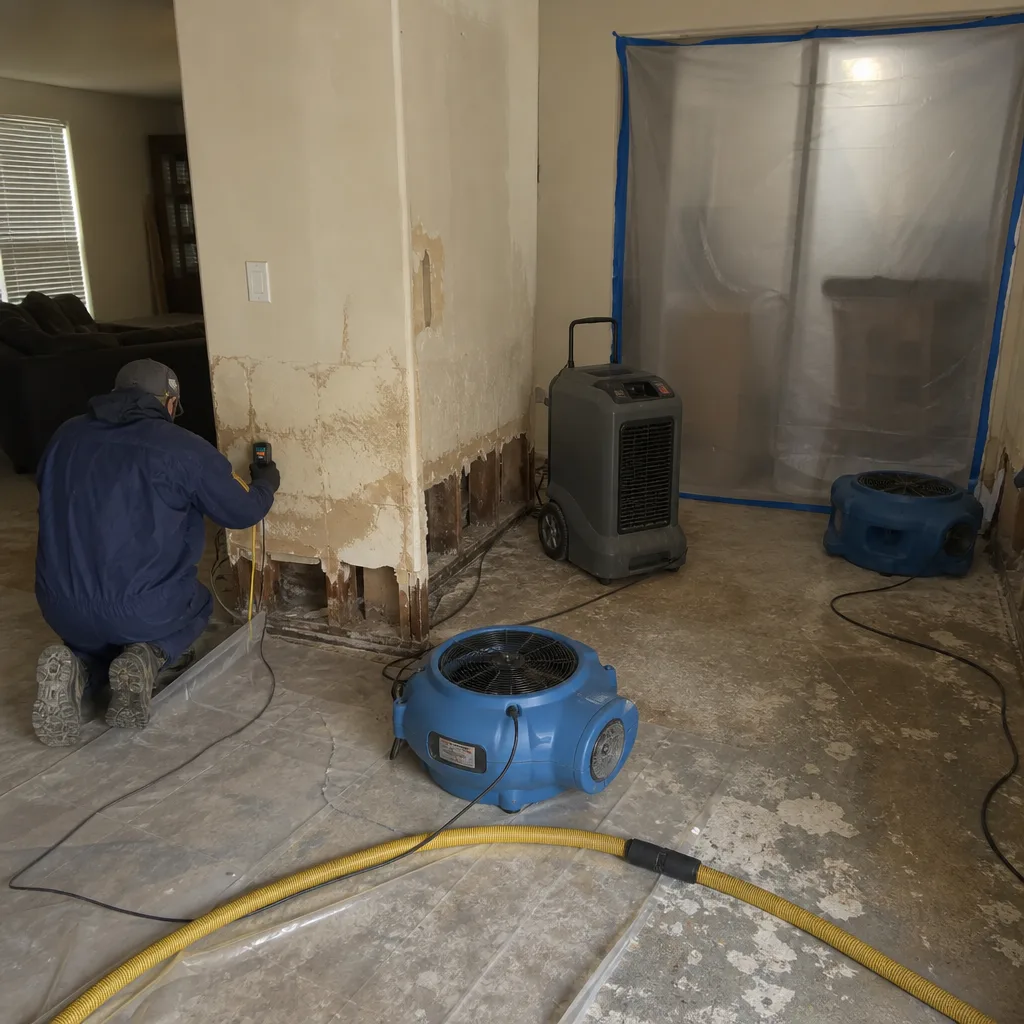 Before
 After
After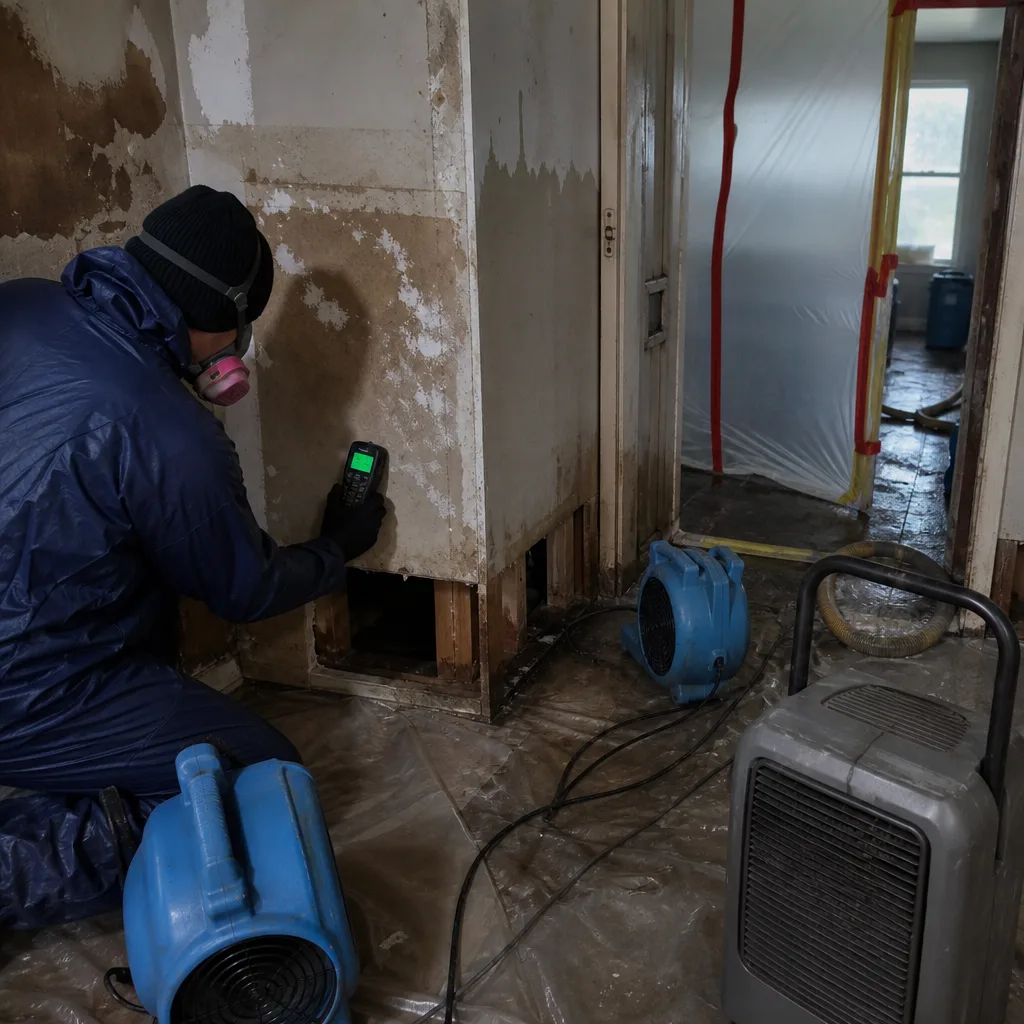 Before
 After
After