
Last updated October 16, 2026
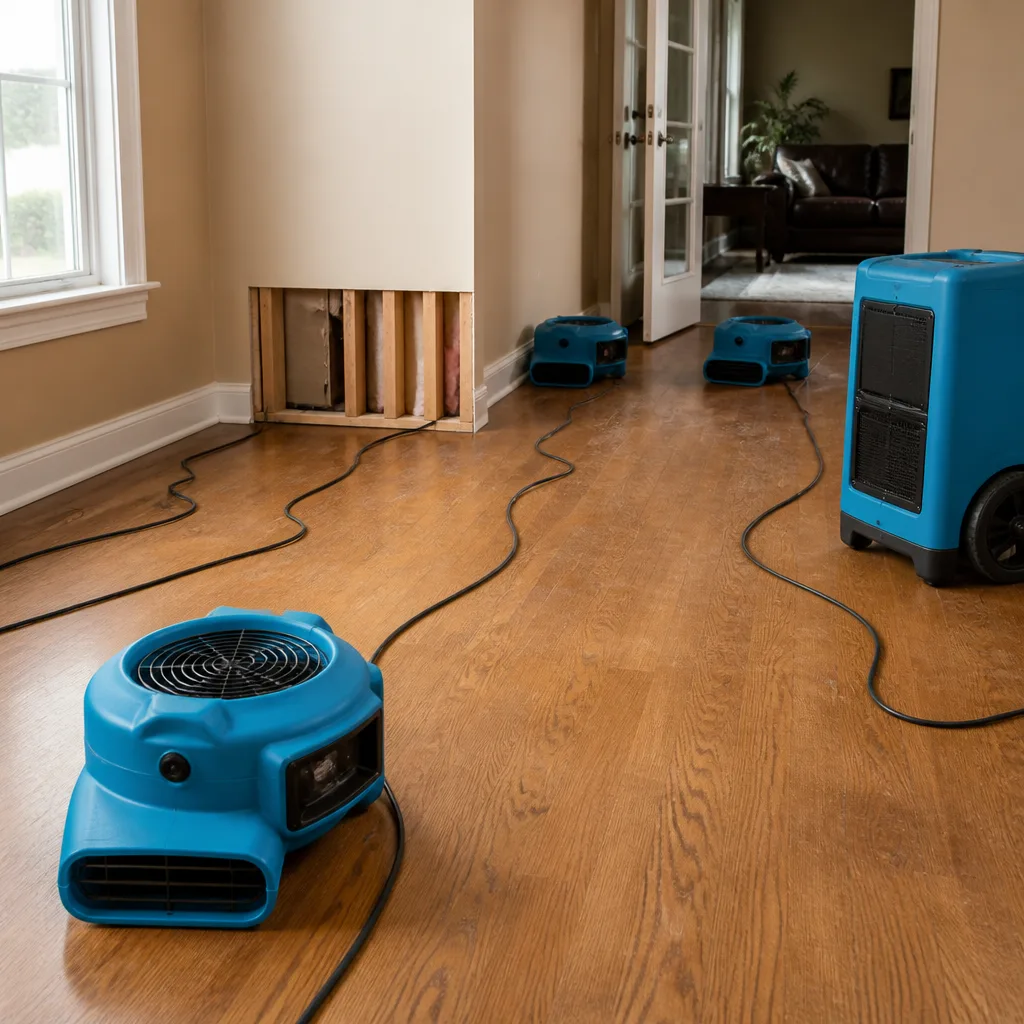 Water damage drying
 Fire & smoke cleanup
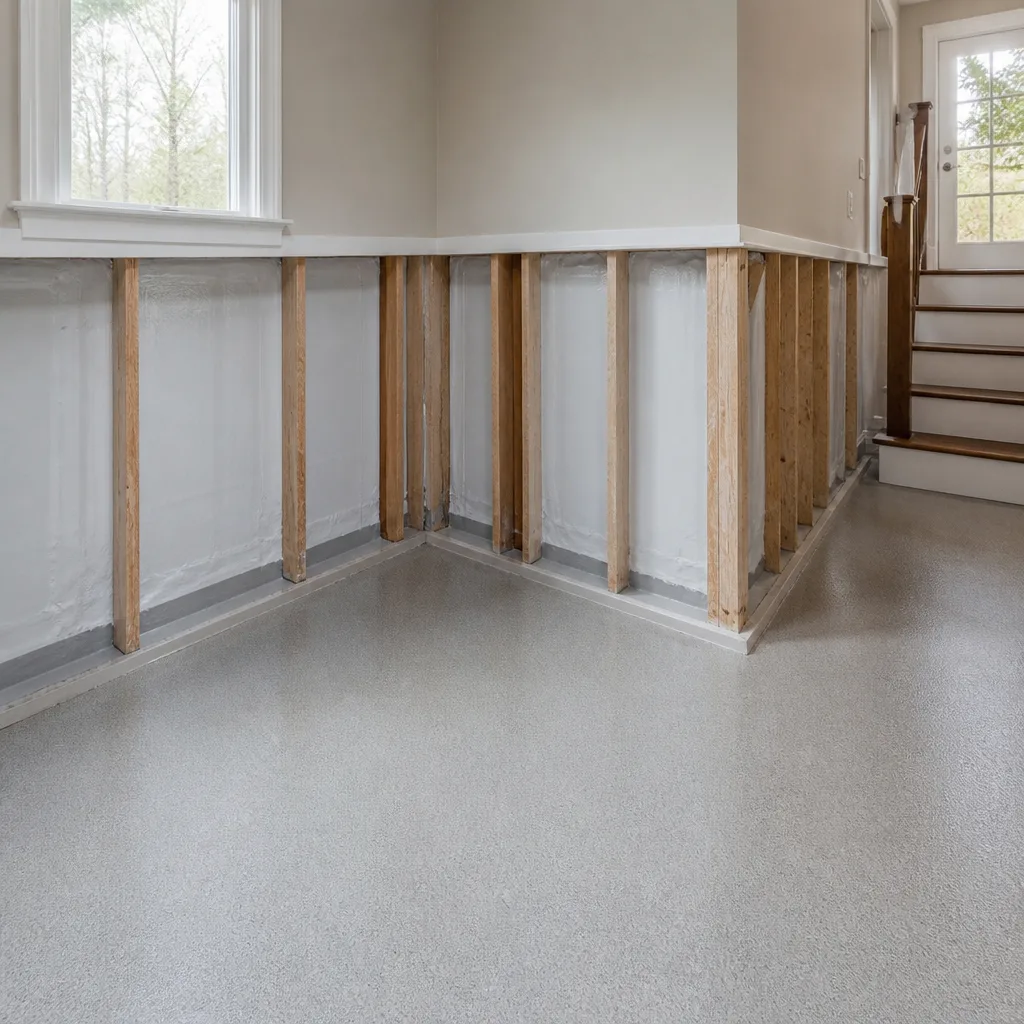 Mold remediation
 Storm response
 Sewage cleanup
 Reconstruction
Free visual inspection and a written scope of work before any mitigation begins - photos, moisture readings, and drying logs go in your claim file
The scope we write is the scope we bill. Anything new gets shown to you, in writing, before we touch it.
Get your free estimateDamage Restoration Permits, Codes & Inspections in TX: What You Need to Know
Here’s a counterintuitive fact about damage restoration in Texas: the moment water gets extracted and the fans come out, almost nobody needs a permit. That changes the second a contractor cuts into drywall, moves a wire, or touches a stud. In San Antonio, that line between mitigation and reconstruction is where permits quietly become a title problem. This guide walks through exactly which restoration scopes trigger a permit in San Antonio, how state rules interact with city code, what insurance adjusters actually pay for, and the inspection sequence that keeps your repair legal when you sell the house. For related reading, see our Damage Restoration Warning Signs: A San Antonio Homeowner’s Reference Guide.
Restoration work we handle
Quick Answer
In Texas, permit requirements for damage restoration depend entirely on scope. Water extraction, drying, and mold cleanup (mitigation) typically require no permit. Reconstruction work, including structural drywall replacement, electrical rewiring, plumbing repair, and framing, requires a permit in San Antonio through the city’s Development Services Department. Mold remediation contractors must hold a Texas Department of State Health Services license. Unpermitted structural or electrical work can surface as a title defect at closing.
Table of Contents
- Mitigation vs. Reconstruction: Where the Permit Line Actually Sits
- San Antonio Permit Triggers: What Specifically Requires a Permit
- Mold Remediation in Texas: The DSHS License That Matters
- Insurance and Permits: Does Your Claim Cover the Cost?
- The Inspection Sequence: Rough-In, Framing, Final
- Why Unpermitted Restoration Work Becomes a Title Problem
- What Your Contractor Should Provide: Documentation Checklist
- Common Mistakes to Avoid
- When to Call a Professional
- Frequently Asked Questions
- The Bottom Line
Mitigation vs. Reconstruction: Where the Permit Line Actually Sits
Texas draws a clear distinction between mitigation and reconstruction, and that distinction drives nearly every permit decision you’ll face. Mitigation means stopping the damage from getting worse: extracting standing water, setting up air movers and dehumidifiers, removing wet carpet pad, cutting out saturated drywall that’s already ruined. Mitigation is emergency medicine. It happens fast, often within hours of a pipe burst or storm intrusion, and Texas municipalities including San Antonio generally do not require a permit for it.
Reconstruction is putting the house back together. This means hanging new drywall, reinstalling insulation, rewiring outlets, replacing plumbing fixtures, rebuilding a wall that had to come out. That’s where permit requirements kick in. The state’s logic is straightforward: mitigation removes damaged material, while reconstruction creates or modifies building systems that must meet current code. A homeowner in Alamo Heights who had a water heater flood last spring can have the mitigation done same-day with no permit conversation. But the moment the contractor starts rebuilding the utility closet, the city wants to know about it.
The practical takeaway: if your restoration contractor is only removing, extracting, and drying, you’re almost certainly in the clear from a permit standpoint across Texas. If they’re installing, rebuilding, or replacing connected systems, assume a permit conversation is coming. San Antonio’s water damage restoration in San Antonio work follows this same line, and reputable contractors will tell you which side of it your job sits on before the first tool comes out.
San Antonio Permit Triggers: What Specifically Requires a Permit
San Antonio’s Development Services Department (DSD) enforces the city’s building codes, and their permit triggers for restoration work are more specific than most homeowners expect. The city uses the International Residential Code (IRC) with local amendments, and the permit requirement applies to any work that alters a structural component or a regulated system. Here’s a practical breakdown of what does and does not trigger a permit in San Antonio’s jurisdiction.
Work That Requires a Permit in San Antonio
- Structural drywall replacement – if water damage requires removing drywall from a load-bearing wall and the framing behind it shows any signs of compromise, the city considers this structural work.
- Electrical system repair – any rewiring, outlet replacement, panel work, or circuit addition that resulted from water or fire damage requires an electrical permit and an inspection.
- Plumbing repair beyond fixture replacement – swapping a water-damaged faucet is fine. Replacing supply lines, drain lines, or any in-wall plumbing requires a plumbing permit.
- Framing repair or replacement – if water or fire damage compromised wall studs, floor joists, or roof rafters, that framing work is structural and requires a permit.
- HVAC ductwork replacement – water-damaged ducts that need replacing fall under mechanical permits in San Antonio.
Work That Typically Does NOT Require a Permit in San Antonio
- Water extraction and structural drying with air movers and dehumidifiers
- Removing wet carpet, pad, and baseboards
- Removing saturated drywall (removal only, not replacement)
- Mold cleanup and antimicrobial treatment on existing surfaces
- Painting, trim work, and cosmetic finishes
- Cabinet and countertop replacement that doesn’t touch plumbing
The nuance San Antonio homeowners miss: you can remove a water-damaged wall without a permit all day long. The second you put a new one up, you’ve crossed the line. That’s not a loophole. That’s the city distinguishing between stopping damage and affecting the structure. If you’re working with a contractor who tells you a wall rebuild “doesn’t need a permit,” get a second opinion from DSD directly. Unpermitted structural work in San Antonio is exactly the kind of thing that comes up at title review, and retroactive permits are significantly more expensive than doing it right the first time. For water damage repair in San Antonio, this distinction matters on almost every job we see.
Mold Remediation in Texas: The DSHS License That Matters
Mold remediation occupies its own regulatory lane in Texas, completely separate from building permits. The Texas Department of State Health Services (DSHS) regulates mold assessment and remediation contractors under the Texas Mold Assessment and Remediation Rules, which have been in place since 2004. If your home has visible mold growth covering 25 contiguous square feet or more, or if the mold resulted from conditions that could affect indoor air quality, state law requires that the remediation work be performed by a DSHS-licensed contractor.
Here’s what that actually means for a San Antonio homeowner. A licensed mold remediation contractor has completed specific training hours, passed an exam, and carries liability insurance for mold work. The license has to be current, and you can verify it on the DSHS website. The remediation protocol follows a specific sequence: containment, air filtration with negative air machines, removal of contaminated materials, antimicrobial treatment, and post-remediation clearance testing conducted by a separate, independent mold assessment consultant. That separation matters. Texas law prohibits the company that performs the remediation from also performing the clearance testing. Two different companies, two different roles.
San Antonio’s climate makes this relevant year-round. High humidity from April through October, combined with the clay-heavy soil that shifts foundations and creates micro-cracks in slab plumbing, means slow leaks that turn into mold are common here. A slow plumbing leak behind a wall in Stone Oak or Terrell Hills might take six months to show visible signs, and by then the mold coverage often exceeds the 25-square-foot threshold that triggers both the DSHS licensing requirement and the need for a proper containment and remediation protocol. If you suspect mold, the mold remediation in San Antonio process starts with an assessment to determine whether you’re above or below that regulatory line. Below it, a careful cleaning with appropriate antimicrobial treatment may be sufficient. Above it, you need a licensed contractor and documented clearance.
Note that mold remediation itself does not trigger a building permit in San Antonio. The DSHS license is a state-level professional licensing requirement, not a construction permit. But if mold remediation requires removing drywall to access contaminated wall cavities and that drywall then needs replacing, the replacement work falls back under the DSD permit framework. The two systems overlap on many jobs, and understanding where one ends and the other begins is part of what separates a professional restoration from an expensive guessing game.
Insurance and Permits: Does Your Claim Cover the Cost?
Permit fees and the inspections they fund are generally a covered expense in a homeowners insurance claim, because they’re a necessary cost of restoring the property to its pre-loss condition. Your policy’s dwelling coverage (Coverage A) includes the reasonable and necessary costs to repair the damage, and municipalities across Texas treat permit fees as part of that repair cost. The standard ISO HO-3 policy language doesn’t specifically list “permit fees” as a line item, but adjusters routinely include them in the reconstruction estimate because they’re legally required for the repair work.
Where things go sideways is when an adjuster tries to exclude permit costs by arguing the work could have been done without one. That argument occasionally surfaces on claims where the structural involvement is borderline. Here’s how to handle it: if your contractor tells you the scope requires a permit, get that in writing with a specific citation to the San Antonio DSD code section that triggers it. Then forward that documentation to your adjuster. Insurance companies do not like the optics of instructing a policyholder to perform unpermitted work, and the moment you put the code requirement in writing, the conversation typically shifts. If you’re weighing whether to handle documentation yourself, our DIY vs Professional Damage Restoration: The San Antonio Homeowner’s Decision Guide covers the risks.
The other insurance nuance in San Antonio involves mold claims. Texas does not require insurers to offer mold coverage as part of a standard homeowners policy, and many policies carry a mold sublimit, often $5,000 to $10,000, regardless of the overall dwelling limit. If your mold remediation triggers DSHS licensing requirements and the full containment protocol, costs can exceed that sublimit quickly. The permit itself may be covered, but the remediation costs may be capped. Knowing your policy’s mold sublimit before you file a claim sets realistic expectations.
One more thing: photo documentation. Adjusters process claims faster when they can see the damage before mitigation, during the drying process (monitoring psychrometric readings with equipment from Dri-Eaz and Phoenix is standard professional practice), and after reconstruction. A contractor who provides before-and-after photo documentation by text, along with a written scope of work, removes the ambiguity that slows claims down. That documentation also becomes your evidence if an adjuster questions whether a permit was necessary.
The Inspection Sequence: Rough-In, Framing, Final
Once a permit is pulled for reconstruction work in San Antonio, the inspection sequence follows a predictable path, and covering work before the relevant inspection is the single most common mistake that delays restoration projects. The city’s inspectors cannot verify what they cannot see, and they will not pass a job that was covered early without expensive deconstruction. Here’s the sequence for a typical water-damage reconstruction:
- Framing inspection – after damaged studs, joists, or rafters are replaced and before insulation or drywall goes up. The inspector verifies that the repair matches the approved plan, that fastener schedules and connections meet current code, and that any structural upgrades required for current code compliance (like hold-downs or bracing) are in place.
- Rough-in inspection – covers electrical wiring, plumbing supply and drain lines, and mechanical (HVAC) work. Everything is visible at this stage, which is the whole point. The inspector checks wire gauges, grounding, plumbing slope, venting, and duct connections against the IRC.
- Insulation inspection – in some cases combined with rough-in, this verifies insulation type, R-value, and installation quality before drywall covers it.
- Final inspection – after drywall, paint, fixtures, and finishes are complete. The inspector verifies that the work matches what was permitted and that all previous inspection signatures are on record.
On a restoration job where part of a wall was rebuilt, the city may only require the framing and rough-in inspections that apply to the affected area, not a full-home inspection. But if an inspector arrives for a rough-in and finds the drywall already hung, the work stops, the drywall comes back down, and the project picks up a delay measured in days, not hours. Good restoration contractors in San Antonio schedule inspections as part of the project timeline, not as an afterthought. That’s standard practice on water damage repair work, and it’s one of the reasons a written scope with a clear timeline matters before work begins. Equipment from XPOWER and IFA-standard practices ensure the drying side is done right; the inspection sequence ensures the rebuilding side is done legally.
Why Unpermitted Restoration Work Becomes a Title Problem
We’ve seen the exact scenario play out in San Antonio more times than we can count. A homeowner has water damage from a burst pipe. They hire a handyman who does the drywall replacement, moves an outlet, fixes the plumbing, and charges less than a licensed contractor would. The work looks fine. The house functions. Five years later, the homeowner decides to sell. A buyer’s inspector pulls the permit history for the property and finds no record of the electrical or structural work that was clearly done. The buyer’s lender gets involved. Title insurance gets involved. The closing stalls.
That’s the unpermitted work problem. It’s not about the quality of the repair. It’s about the paper trail, or the absence of one. Texas requires sellers to disclose known conditions that affect the property’s value, and unpermitted structural or electrical work falls into that disclosure category. Once disclosed, the buyer’s options include walking away, demanding a price reduction, or requiring the seller to obtain retroactive permits, which means exposing the work for inspection after the fact. Retroactive permits in San Antonio are more expensive than original permits, require the work to be uncovered for inspection, and can involve penalty fees.
The restoration-specific risk is higher than for typical remodels because restoration work often happens under time pressure. A family with a flooded kitchen wants the room back. The insurance claim is open. The contractor who says “we don’t need a permit for this” saves time and money in the moment, and the homeowner rarely questions it. Years later, at closing, that decision becomes a negotiation against the seller. San Antonio’s Bexar County deed records and the city’s permit database are both accessible to any buyer’s inspector who looks. The work is visible in the house. The permit is not visible in the records. That discrepancy is what title problems are made of.
Protecting yourself is simple. Before any reconstruction work starts, ask your contractor to state in writing whether the scope triggers a permit requirement, and if it does, require them to pull the permit and schedule the inspections. If a contractor refuses to pull a permit, find another contractor. There are plenty of licensed, insured professionals in San Antonio who do it right. This is exactly the type of thing we walk homeowners through in our Wendell Restoration San Antonio home office every week.
What Your Contractor Should Provide: Documentation Checklist
A professional restoration contractor working in San Antonio should provide a documentation package that covers the permit question, the insurance claim, and the eventual resale. If your contractor provides all of the following, you’re working with someone who understands the full lifecycle of a restoration project. If they provide none of it, you’re taking on risk that will surface later. Here’s the checklist:
- Written scope of work with a clear permit determination – the contractor states in writing whether the job triggers a San Antonio DSD permit requirement, and if it does, they include the permit application and fee in their estimate.
- DSHS license verification for mold work – if the job involves mold remediation above 25 contiguous square feet, the contractor provides their DSHS license number and you verify it online.
- Insurance certificate with your name on it as additionally insured – this protects your property from liability exposure during the restoration.
- Photo documentation protocol – before-and-after photos by text or app, including photos of the damage before mitigation, during the drying process, and after reconstruction.
- Psychrometric drying log – daily readings of moisture content, temperature, and relative humidity that document when the structure reached an appropriate dry standard. Professional equipment from Dri-Eaz, Phoenix, and XPOWER provides the data.
- Permit and inspection schedule – if permits are required, the contractor schedules and coordinates all inspections, and provides documentation that each inspection passed.
- Written guarantee on the repair work – the warranty terms are stated in writing, including duration and what happens if the repair fails.
This documentation package isn’t just good practice. It’s the difference between a restoration that’s clean at closing and one that’s not. The buyer’s inspector will want to see permit records for any structural, electrical, or plumbing work. The insurance adjuster will want the drying log and photos to process the claim. The title company will want a clean permit history. All of it starts with a contractor who treats documentation as part of the job, not an afterthought.
Common Mistakes to Avoid
- Assuming all restoration work is exempt from permits. Mitigation work usually is exempt, but reconstruction is not. Assuming otherwise and finding out at closing is the most expensive education a homeowner can buy.
- Letting a contractor cover electrical or plumbing work before the rough-in inspection. Once drywall goes up over uninspected wiring or pipes, the inspector will require it to come back down. That’s a delay measured in days and an expense measured in thousands.
- Hiring a mold remediation company that isn’t DSHS-licensed. In Texas, mold remediation over 25 contiguous square feet legally requires a licensed contractor. An unlicensed company can leave you with an unresolved mold problem and no legal recourse.
- Accepting an insurance settlement that excludes permit fees without pushing back. Permit fees are a necessary cost of repair and are generally covered. Accept a lower settlement without asking, and you’re paying out of pocket for the city’s fee.
- Not saving the permit and inspection documentation after the job is done. That paperwork is the proof your buyer’s inspector will look for when you sell. If it’s in a landfill, the unpermitted work question is open.
- Choosing a contractor based on speed alone. Speed matters in mitigation, but speed without permits in reconstruction is how title problems get created. The fastest contractor isn’t always the one who did it right.
- Assuming the city’s permit database will catch the problem early. San Antonio doesn’t proactively audit every residential repair. The system catches problems at the point of sale, not at the point of work.
When to Call a Professional
Call a professional restoration company when the damage touches anything beyond surface finishes: if you can see framing, if electrical outlets were submerged or exposed to water, if mold covers more than a small patch, or if any structural component shifted or sagged. These are the scopes where permit requirements and code compliance become relevant, and where a mistake creates a title problem. A professional who understands San Antonio’s DSD requirements and the Texas DSHS mold rules will not only do the work correctly but will also provide the documentation that protects you at closing. For help choosing one, see How to Hire a Damage Restoration Contractor in San Antonio: A Step-by-Step Guide. Wendell Restoration San Antonio offers free estimates in San Antonio and can assess your restoration scope, determine what requires a permit, and walk you through what your insurance should cover. Call (325) 413-9949 to talk through your situation with a live person who can tell you what’s next.
Frequently Asked Questions
No. Water extraction, structural drying, and other mitigation work is not a construction activity and does not require a permit from San Antonio’s Development Services Department. The permit conversation starts when you begin rebuilding, rewiring, or replacing plumbing, not when you’re removing water and drying the structure.
San Antonio permit fees for residential restoration work typically range from $75 to $500 depending on the scope. Electrical permits, plumbing permits, and structural permits are each priced separately, and a water damage reconstruction that touches all three systems can carry combined fees in the $250 to $500 range. Your insurance claim should include these fees. Call us at (325) 413-9949 if you want a contractor who includes the permit determination in your written estimate.
Yes, in most cases. Permit fees and inspection costs are necessary expenses to restore your property to pre-loss condition and are covered under the dwelling coverage portion of your homeowners policy. If your adjuster tries to exclude them, ask for the exclusion in writing and provide the specific San Antonio code section that triggers the permit requirement.
Yes. The Texas Department of State Health Services requires mold remediation contractors to hold a DSHS license for remediation work involving 25 contiguous square feet of visible mold or more. The remediation company must be separate from the clearance testing company. Verify the license on the DSHS website before the work begins.
You can sell, but the unpermitted work becomes a disclosure issue that typically affects the sale price and can stall or kill the deal. Buyers’ inspectors routinely cross-reference visible structural or electrical work against San Antonio’s permit database. Work that appears in the house but not in the records creates a title problem that has to be resolved before closing.
Once a permit is pulled, San Antonio typically schedules inspections within 1 to 5 business days. The inspection itself takes 15 to 45 minutes. The total inspection sequence for a typical restoration (framing, rough-in, final) adds 2 to 3 weeks to the project timeline. Rushing ahead and covering work before the inspection adds more time than the inspections themselves.
The Bottom Line
Permits, codes, and inspections in Texas are not a bureaucratic formality. They’re the documentation trail that proves your restoration was done correctly, and they matter most when you’re not thinking about them: at closing, when a buyer’s inspector asks for the permit history, or when an insurance claim gets denied because the scope wasn’t documented properly. The line between mitigation and reconstruction is where the permit conversation lives. In San Antonio, that line is specific and enforceable. Understanding it before you start, documenting everything, and working with a contractor who treats permits as part of the job protects you from a five-year-later title problem. Browse our more guides & resources for additional San Antonio restoration guidance. If you’re facing restoration work in San Antonio and want a written scope with a clear permit determination before anything starts, call (325) 413-9949.
Written by Blake Sorensen, Owner at Wendell Restoration San Antonio, serving San Antonio since 2006.
See the difference
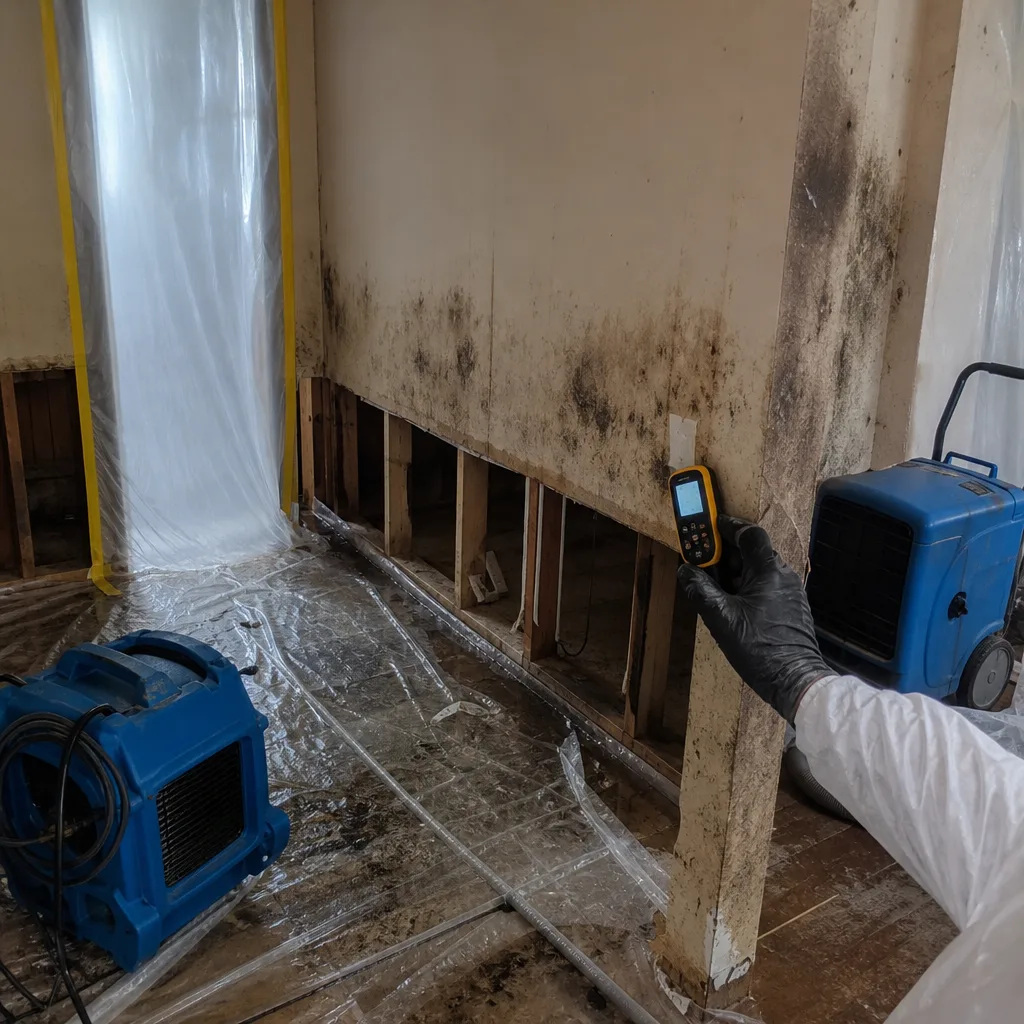 Before
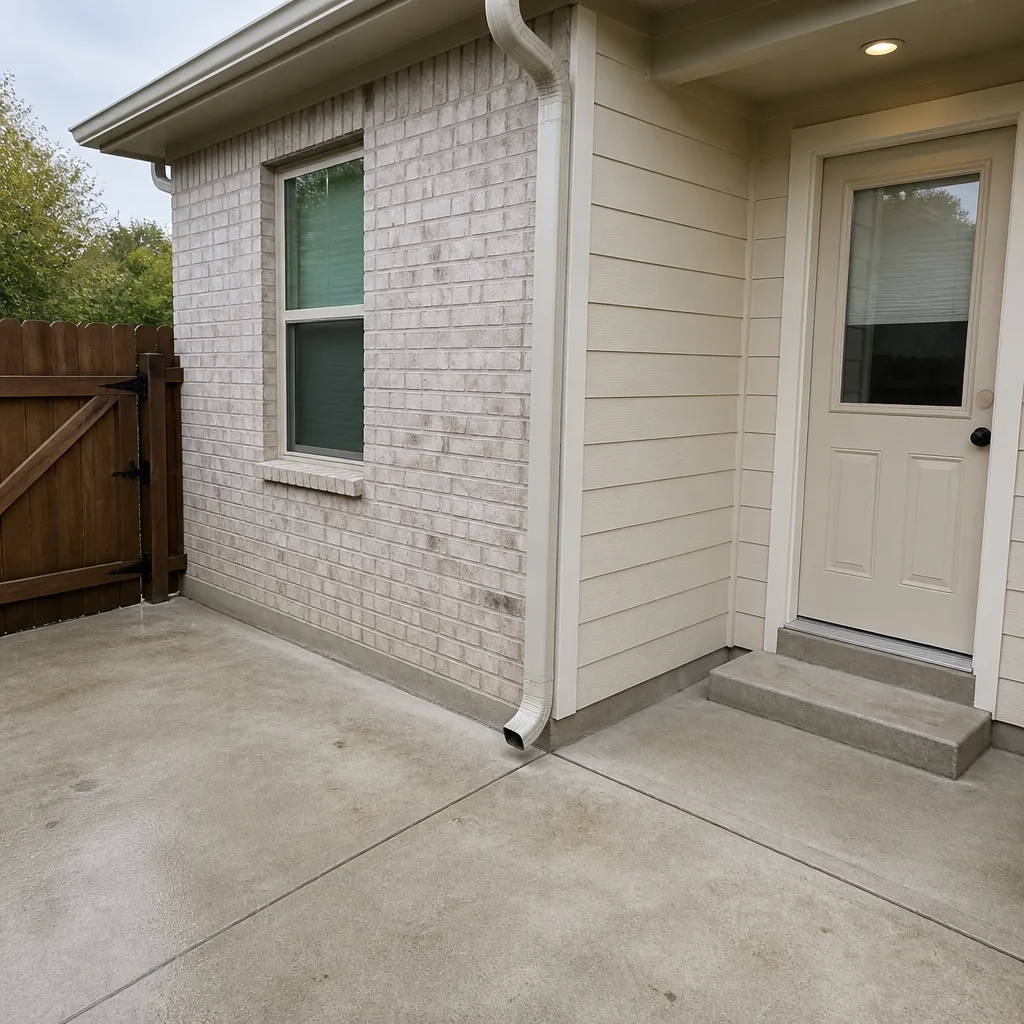 After
After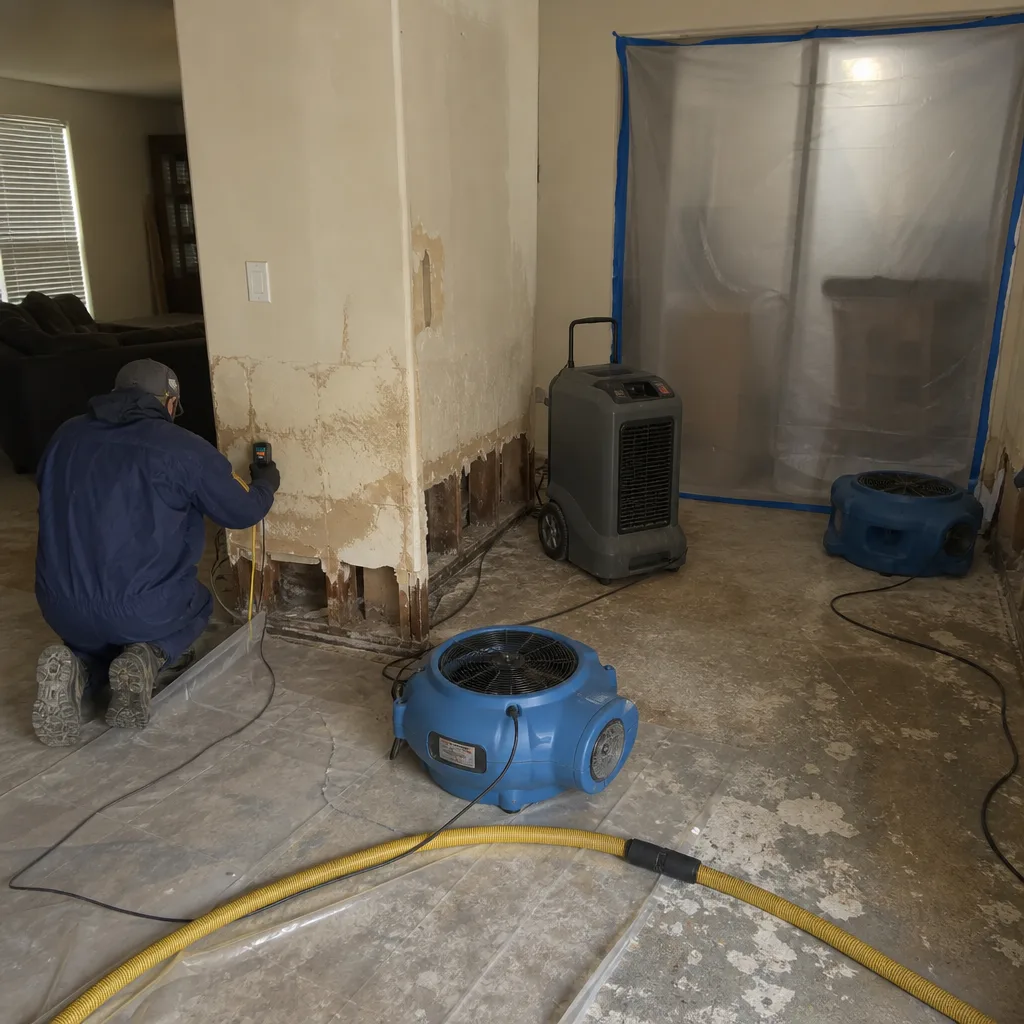 Before
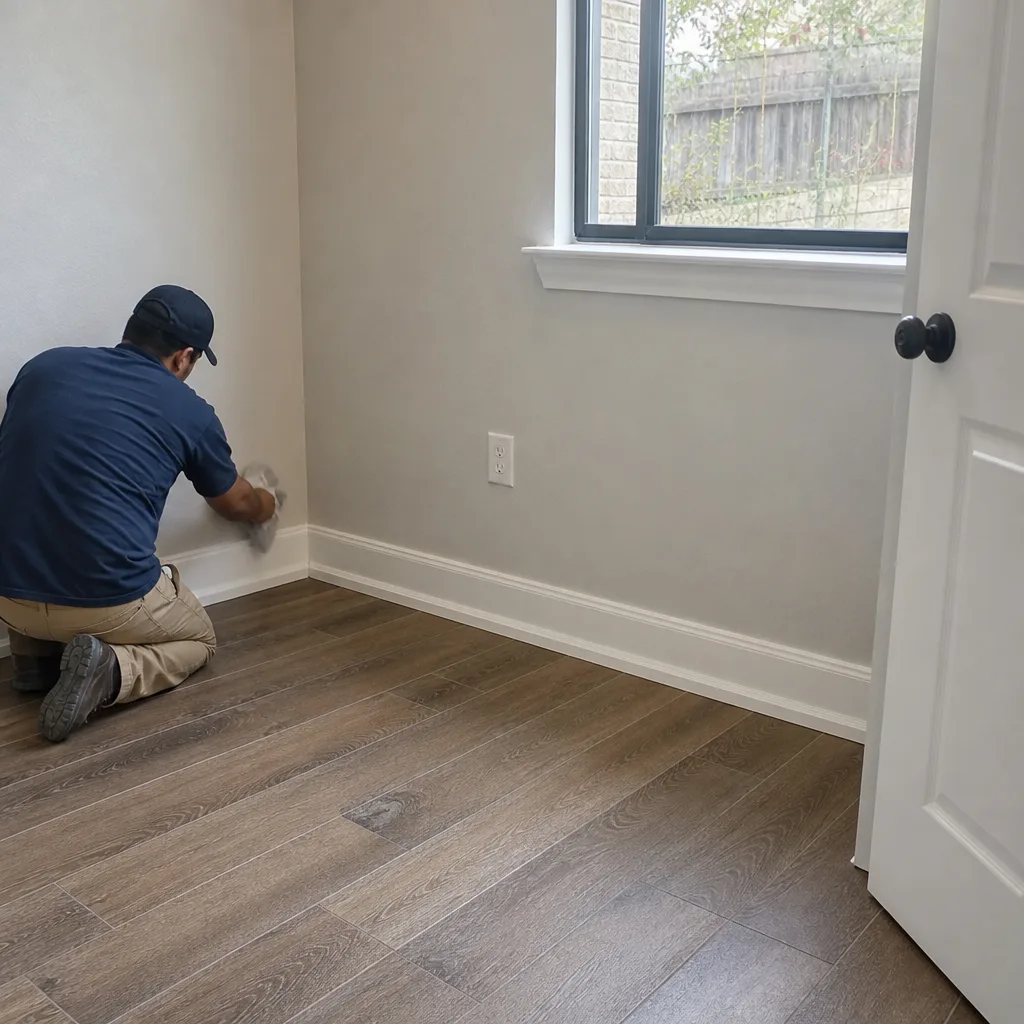 After
After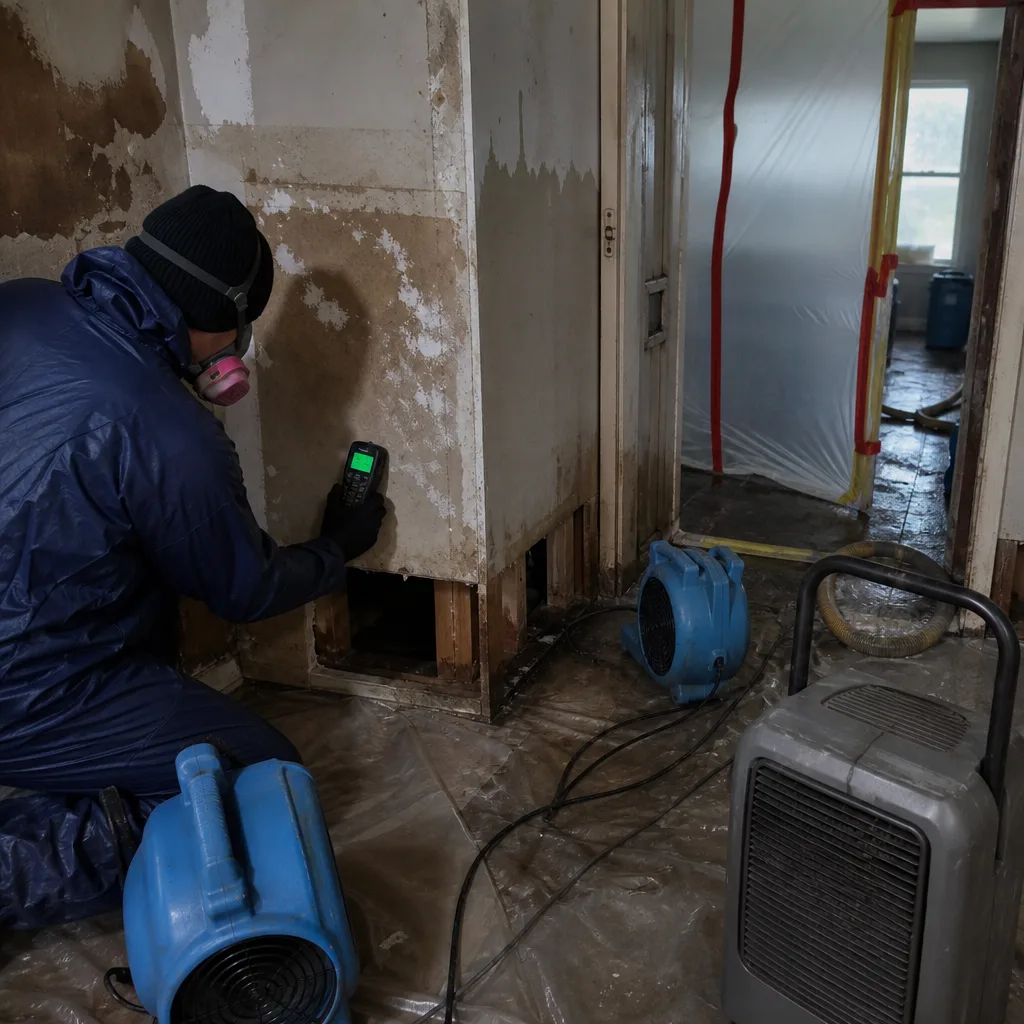 Before
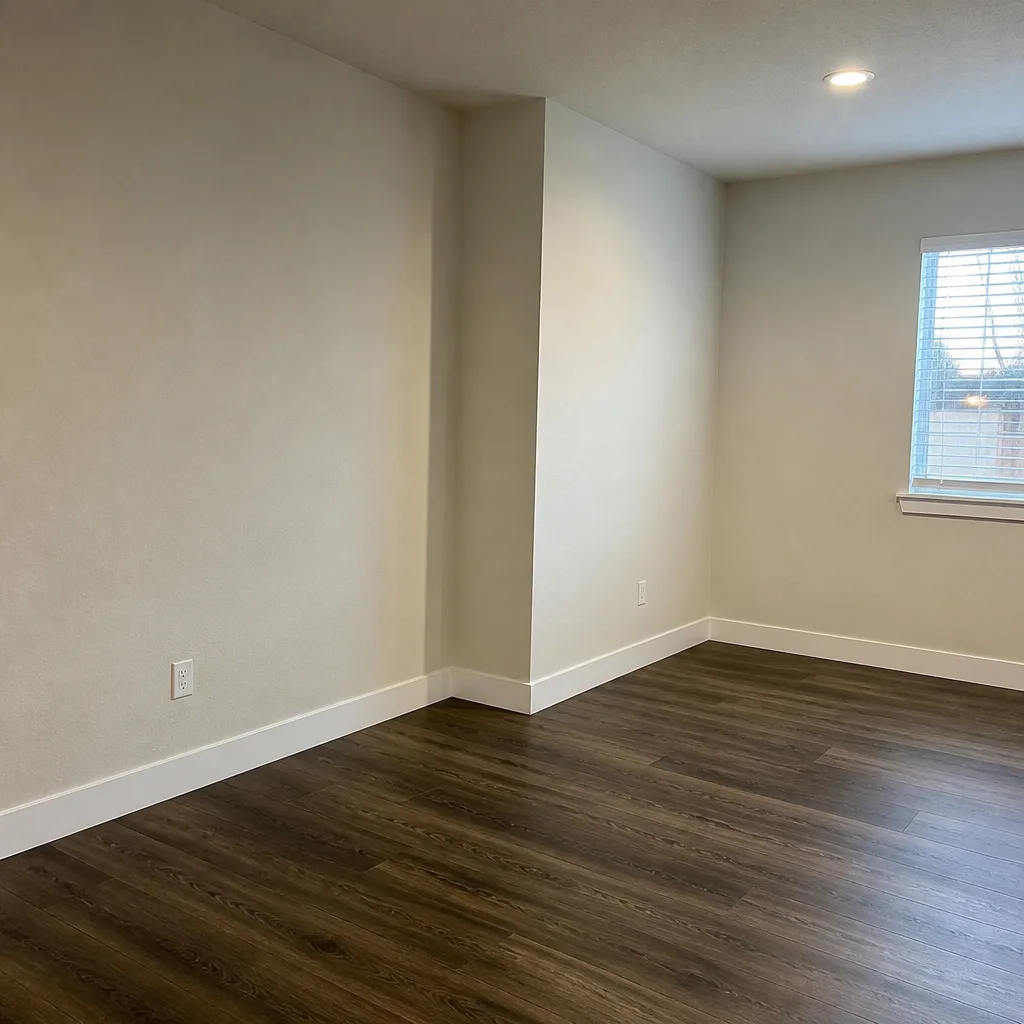 After
After