
Last updated October 16, 2026
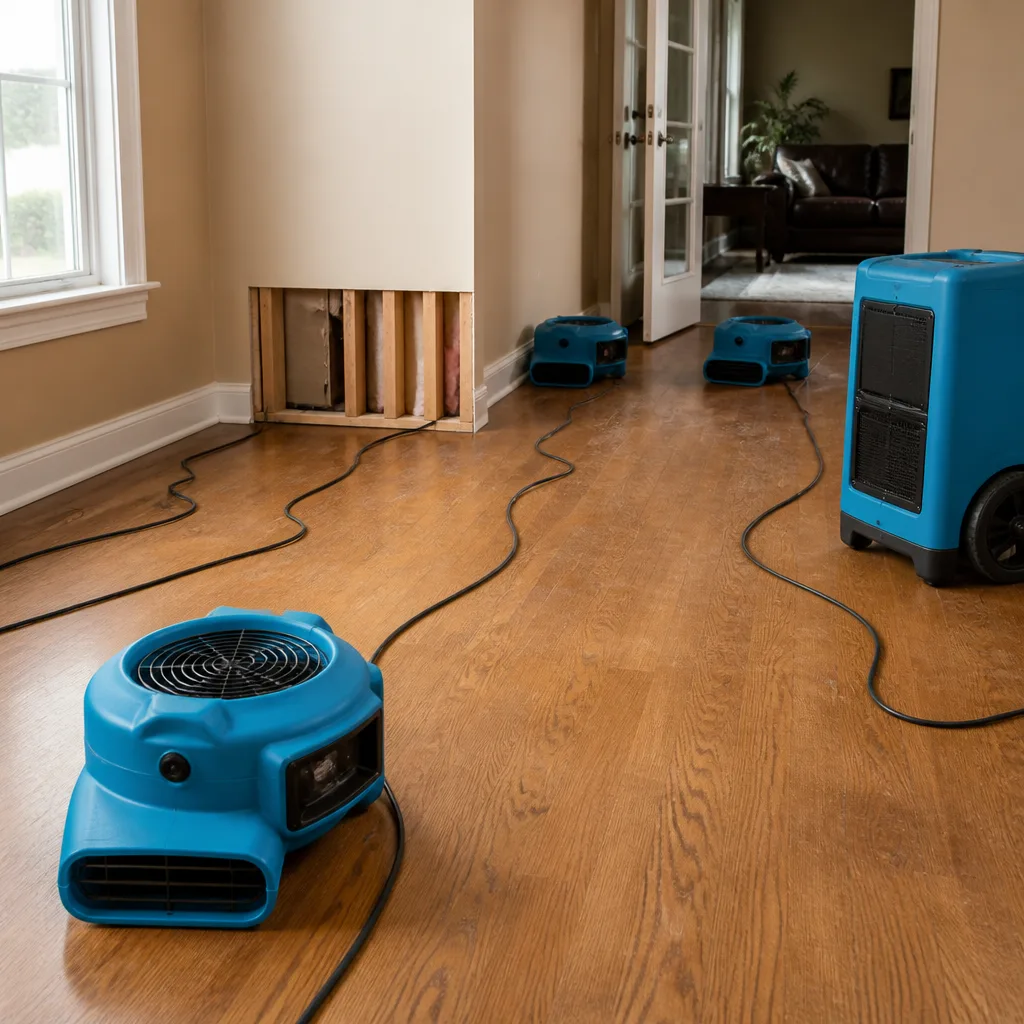 Water damage drying
 Fire & smoke cleanup
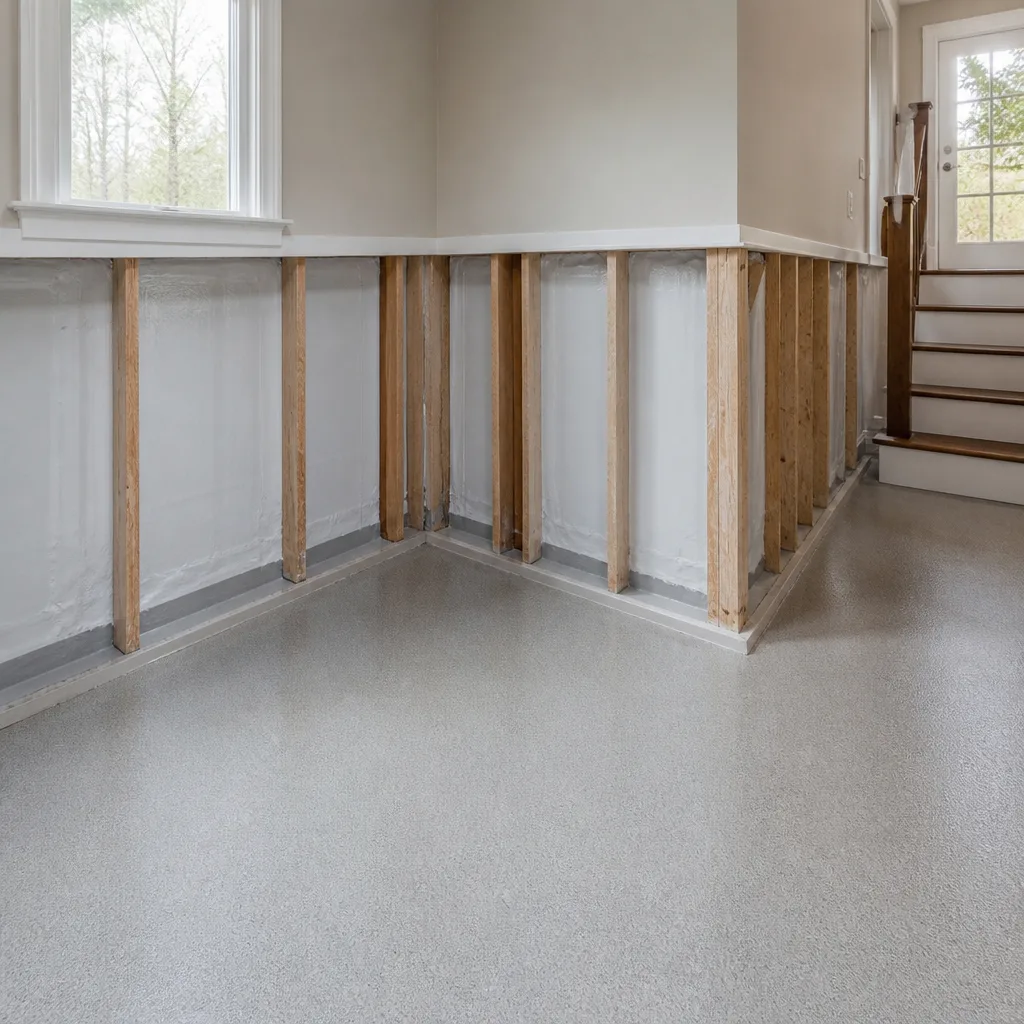 Mold remediation
 Storm response
 Sewage cleanup
 Reconstruction
Free visual inspection and a written scope of work before any mitigation begins - photos, moisture readings, and drying logs go in your claim file
The scope we write is the scope we bill. Anything new gets shown to you, in writing, before we touch it.
Get your free estimateDIY vs Professional Damage Restoration: The San Antonio Homeowner’s Decision Guide
Here’s a number that should make every San Antonio homeowner pause: a shop vac removes about 20 gallons of water per minute from a carpet. That sounds impressive until you realize that a 200-square-foot room with water-saturated drywall and pad is holding 80 to 120 gallons of water inside the materials, not on the surface. In San Antonio’s climate, where the average summer dew point sits at 65°F, running three box fans and hoping for the best doesn’t just fail to dry things out. It can actively push ambient humidity deeper into your walls. This guide walks through what’s genuinely safe to tackle yourself, what’s legally off-limits in Texas, where your insurance company will scrutinize your decisions, and where a professional becomes the cheaper option even when the DIY route looks free. For more on this topic, see our step-by-step guide to hiring a damage restoration contractor in San Antonio.
Quick Answer
DIY damage restoration in San Antonio makes sense for a small clean-water spill under 10 square feet that you catch within 24 hours, have the right equipment to dry, and can document thoroughly. Professional restoration becomes the financially and legally safer choice once the affected area exceeds roughly that size, involves gray or black water, touches drywall or subfloor, or has been wet longer than 48 to 72 hours without drying. The reason isn’t skill. It’s that San Antonio’s humidity, Texas mold remediation law, and insurance adjusters all punish incomplete drying, missing documentation, and late starts in ways that make professional help the cheaper path in the end.
Restoration work we handle
Table of Contents
- What DIY Can Safely Handle (And What It Can’t)
- The 72-Hour Window: Why San Antonio’s Climate Moves Faster Than Most
- Texas Law and the 25-Square-Foot Mold Rule Homeowners Never Know
- Documentation: The Part DIY Homeowners Skip That Costs Them Everything
- The Equipment Gap: Consumer-Grade vs. Commercial-Grade Drying
- The Three-Question Decision Tree for San Antonio Homeowners
- Insurance Reality Check: How Adjusters View DIY Restoration
- Common Mistakes to Avoid
- When to Call a Professional
- Frequently Asked Questions
What DIY Can Safely Handle (And What It Can’t)
Let’s separate what’s actually fine to do yourself from what only feels fine in the moment. The first hour after you discover water damage matters more than the next 24, and the things you can do right now without any special skills are also the things that protect your home and your claim the most.
Safe DIY Tasks (Do These Immediately, Every Time)
- Shut off the water supply. Every San Antonio home has a main shutoff valve, usually near the water meter or where the line enters the house. If you don’t know where yours is, find it before you ever need it. This single step stops the loss from growing while you figure out next moves.
- Cut power to affected areas if water is near outlets or appliances. Flip the relevant breakers. Water and electricity don’t mix, and a wet wall behind an electrical outlet is a shock hazard even if it looks dry on the surface.
- Move furniture and belongings to dry areas. Lift wood furniture legs off wet carpet with foil or plastic blocks so they don’t wick moisture and leave permanent stains. Pull up area rugs and move them somewhere they can hang dry.
- Photograph everything before you touch anything else. Take wide shots of the room, close-ups of the water line on walls, and detail shots of affected materials. Your phone’s timestamp matters. These photos are your insurance claim’s foundation, and the more you document before moving or cleaning anything, the stronger your position.
- Extract standing water on hard surfaces with a wet-dry vac or mop. On tile, concrete, or vinyl, this is straightforward and genuinely helpful. Keep the vacuum’s filter situation in mind, read the manual, and empty the tank frequently.
- Open windows and run ceiling fans if the outside air is dry. In San Antonio this is a big “if.” From March through October, opening windows typically means letting 60-75°F dew point air inside, which slows drying rather than helping it. Check the current dew point first. If it’s below 55°F, opening windows helps. If not, you’re adding moisture to the problem.
What Is Not DIY-Safe, Ever
- Anything involving black water. Sewage backups, toilet overflows from the bowl side, or flood water from outside are Category 3 water. It contains pathogens, bacteria, and whatever else was in the sewer or storm runoff. Touching it without proper PPE is a health risk. Cleaning it without proper containment spreads contamination through the air to rooms that were never wet.
- Drywall removal beyond a small, clearly wet section. Water wicks upward in drywall faster than homeowners realize. The visible stain is usually smaller than the actual wet area. Cutting out only what looks wet leaves damp gypsum behind, and damp gypsum grows mold in San Antonio conditions within 48 to 72 hours.
- Any mold growth beyond a small surface patch. Texas law sets a hard threshold here, and we’ll get into the specifics below. But the short version: if you can see mold covering more than a dinner-plate-sized area, DIY cleanup is not your call to make.
- Structural drying of hardwood floors, subfloors, or wall cavities. These materials hold water in places you can’t see, and they release it slowly. Surface drying doesn’t touch it. Without moisture meters and proper drying plans, you get what we in the trade call a “silent failure”: the surface feels dry, the inside is wet, and two weeks later your floor is cupping or your baseboards are swelling.
If you’re uncertain which category your situation falls into, the information on our Water Damage Restoration in San Antonio page covers the full scope of what a professional job includes.
The 72-Hour Window: Why San Antonio’s Climate Moves Faster Than Most
Here’s the timeline nobody tells you about until it’s too late. Mold spores are everywhere, including in your home right now, sitting dormant in dust and on materials. What activates them is moisture, and the clock starts the moment materials get wet. In most of the country, the commonly cited mold growth window is 48 to 72 hours. In San Antonio, where summertime relative humidity routinely pushes past 60% even indoors without proper HVAC, that window isn’t just firm. It’s optimistic. Our seasonal damage restoration care guide for San Antonio explains how year-round climate patterns affect your home. We’ve seen mold begin colonizing on wet drywall in under 48 hours during a humid San Antonio August, especially in homes with less aggressive AC settings or older single-pane windows.
Mold matters for three reasons that compound each other.
First, health. Mold exposure is a genuine respiratory concern, more so for children, elderly residents, and anyone with asthma or allergies. San Antonio’s allergy season is already aggressive; adding indoor mold to that load is a recipe for symptoms that get blamed on “cedar season” while the real source sits behind your baseboard.
Second, damage. Mold doesn’t just sit on the surface. It hyphae, strands of fungal growth that penetrate into porous materials, work their way into drywall, wood, and insulation. Waiting means the difference between cutting out a small section and replacing entire wall assemblies.
Third, insurance. Many homeowners policies include mold coverage limitations, and the standard language ties coverage to what a “reasonable person” would have done to prevent mold growth after a covered water event. If you had standing water on Wednesday and didn’t start meaningful drying until Saturday, an adjuster can argue the mold that developed between Wednesday and Saturday was due to your delay, not the original water event. That’s a coverage gap you created yourself, and it’s one no amount of hindsight can fix.
Texas Law and the 25-Square-Foot Mold Rule Homeowners Never Know
Most San Antonio homeowners don’t know this until they’re in the middle of a crisis, so read this section carefully if you’re weighing a DIY mold cleanup. Texas law doesn’t just recommend professional help for larger mold problems. It makes DIY illegal.
Under Texas Department of State Health Services rules, any mold remediation involving more than 25 contiguous square feet of visible mold requires a licensed Texas DSHS mold remediation contractor. Not a handyman, not a general contractor, not your brother-in-law who “knows about this stuff.” A contractor holding an actual Texas mold remediation license, using proper containment, air filtration, and IICRC-standard protocols. If you remove 30 square feet of moldy drywall yourself, you have violated state law, full stop. The same applies to hiring someone unlicensed to do it for you.
Why does this law exist? Because improper mold disturbance is how a small problem becomes a house-wide problem. When you tear out moldy drywall without containment (plastic barriers, negative air pressure, HEPA filtration), you send millions of spores airborne. Those spores land in your HVAC ducts, your carpet, your furniture, and rooms that never had a problem. Three months later, you have mold in places you didn’t before, and now you’re looking at a five-figure remediation instead of a targeted cutout.
The 25-square-foot threshold is smaller than most people picture. A 4-by-7-foot patch of drywall, a closet wall, the wall behind a leaking washer, the area under a window that leaked for months. That’s all over the line. If you have any question about whether your mold situation crosses the legal threshold, the contact information on our Mold Remediation in San Antonio page is the fastest way to get a straight answer.
Documentation: The Part DIY Homeowners Skip That Costs Them Everything
If you take one thing from this entire guide, make it this: insurance adjusters don’t pay claims based on what happened. They pay claims based on what you can prove happened. And “proof” in the restoration world has a specific, technical meaning that DIY documentation almost never meets.
When we handle a damage restoration job, we document with moisture meters that record actual moisture content percentages in drywall, wood, and concrete before and after drying. We photograph those readings. We create a written drying plan that shows what was set up, where, and with what target metrics. We document the psychrometric readings (tracking the air’s moisture level so we know when your home is truly dry, not just surface-dry) at set intervals. At the end, we produce a report that shows the moisture started at X, went to Y, over Z days, with these readings attached.
A homeowner DIY drying effort typically produces: some phone photos of wet carpet, a receipt for a rented dehumidifier from a hardware store, and maybe a note written on a scrap of paper. That’s not a drying log. That’s a story, and stories lose to documentation in an insurance dispute every time.
Here’s the specific problem: if you do a partial DIY dry and then file a claim weeks later for secondary damage that appeared, the adjuster’s first question is whether the secondary damage was caused by the covered event or by your incomplete initial response. Without professional-grade documentation proving materials were dried to acceptable moisture levels, the adjuster will conclude the latter. You’ll hear the phrase “failure to mitigate” and you’ll learn what it costs.
This is one of the quiet reasons professional restoration often ends up cheaper than DIY even when the upfront professional quote is higher: the professional documentation is the claim. It eliminates the dispute entirely.
The Equipment Gap: Consumer-Grade vs. Commercial-Grade Drying
Walk through any San Antonio hardware store and you’ll see dehumidifiers for sale or rent that claim to “remove up to 50 pints per day.” That sounds like a lot. Compare it to what a professional restoration company deploys and you start to understand why so many DIY drying efforts end with hidden moisture and mold.
Professional restoration uses LGR dehumidifiers, low-grain refrigerant units designed specifically for water damage work. A single commercial LGR unit, the kind sold under brands like Phoenix and XPOWER that we use on our jobs, removes 130 to 200 pints of water per day. The consumer-grade unit removes 50 on a good day, at a specific temperature and humidity, when it’s brand new and operating perfectly. In real-world conditions, that 50-pint rating drops fast. In a San Antonio summer, where ambient humidity is already high, the consumer unit is working against an atmosphere that’s constantly refilling the air with moisture. It’s like trying to empty a bathtub with a teaspoon while someone keeps running the faucet.
The other piece most homeowners miss is air movement. Professional drying floors need air movers, not box fans. Air movers push a focused, high-velocity stream of air across wet surfaces, which drives moisture from the material into the air where the dehumidifier can capture it. Box fans move air around the room but don’t create the surface turbulence that actually accelerates evaporation from wet drywall and subfloor. And if you run those box fans without a dehumidifier running at all, you’re just circulating moist air, which in San Antonio’s 65°F-dew-point summers can move moisture from the air into your walls, not the other way around.
There’s also the monitoring piece. A homeowner dries until the surface “feels dry to the touch.” A professional dries until a moisture meter says the material has returned to its pre-loss moisture content. For a complete breakdown of what to check, see our water damage restoration maintenance checklist for San Antonio homeowners. The difference is the difference between “dry right now” and “dry.” In San Antonio’s climate, “dry right now” becomes “moldy in two weeks” far more often than people want to believe.
The Three-Question Decision Tree for San Antonio Homeowners
If you’re standing in a wet room trying to decide whether to call someone or start grabbing towels, work through these three questions in order. They’ll give you a defensible answer in about ninety seconds.
Question 1: What kind of water are you dealing with?
Category 1 (Clean water) comes from a broken supply line, an overflowing sink with no contaminants, or a leaking pipe. This is the only category where DIY makes any sense at all. Category 2 (Gray water) means water with some contamination: washing machine overflow, dishwasher discharge, or clean water that’s been sitting for 24+ hours. Category 3 (Black water) means sewage, flood water, or anything that’s come into contact with human waste. Gray water DIY is a risk; black water DIY is a hazard.
Question 2: How much area is actually wet?
Don’t estimate by the visible stain. Water spreads sideways under flooring, climbs up drywall, and pools in wall cavities. A real assessment requires a moisture meter, not a glance. As a rule of thumb, if you can see wet drywall on two or more walls, or if water has been sitting for more than a few hours, the affected area is significantly larger than what you see. DIY extraction is reasonable for a contained spill under 10 square feet. Beyond that, the equipment math stops working in your favor.
Question 3: What materials got wet?
Tile and concrete dry with extraction and time. Hardwood absorbs water and either cups, warps, or splits as it dries wrong. Drywall wicks and crumbles. Subfloor hides moisture for weeks. Carpet pad is a sponge that almost always needs replacement, not drying. If your answer includes hardwood, drywall beyond a small patch, or anything involving a subfloor, the DIY answer is no.
If you answered Category 1, under 10 square feet, hard surfaces only: extract, dry, monitor, and document. You can do this.
If you answered anything else: call a professional. The Wendell Restoration San Antonio home page has more on what a professional response includes and how to get one started today.
Insurance Reality Check: How Adjusters View DIY Restoration
Your insurance company is not your adversary, but it is also not your advocate. It’s a for-profit business that evaluates claims by a standard of documented evidence. Understanding how that evaluation works will save you more money than any piece of drying equipment ever will.
When you file a water damage claim, the adjuster asks three questions: Was the damage sudden and accidental? Did the homeowner take reasonable steps to prevent further damage? What is the verifiable scope of damage and cost to restore? Notice the second question. “Reasonable steps” is doing a lot of work, and what counts as reasonable is not what a reasonable person on the internet would recommend. It’s what a reasonable professional would have done, documented to professional standards.
A DIY drying effort that leaves materials above acceptable moisture content is, in the adjuster’s world, a failure to mitigate. That failure shifts financial responsibility for subsequent damage from the insurance company to you. If mold develops because your box-fan-and-open-windows strategy didn’t actually dry the wall cavity, the mold remediation may not be covered, or may be covered only under a limited mold endorsement with its own deductible and cap.
The flip side is that professional restoration documentation often pays for itself. When we dry a San Antonio home, we’re not just drying it. We’re generating the evidentiary record that proves the loss happened, was responded to in a reasonable and timely manner, and was restored to a verifiable standard. That record is what makes your claim straightforward instead of adversarial.
We also handle direct insurance billing and adjuster coordination on every job, which means you’re not playing phone tag with a claims department while your house sits wet. If you want more detail about what we repair after mitigation, our Water Damage Repair in San Antonio page covers the rebuild side of the process.
Common Mistakes to Avoid
- Waiting to see if it dries on its own. It won’t. Materials in a San Antonio home don’t dry themselves in any timeframe that prevents mold. Every hour of delay compounds the eventual cost. The window for preventing mold closes in 48 to 72 hours, faster in our humid summers.
- Running box fans without a dehumidifier. This is worse than doing nothing in humid conditions. It circulates moist air into dry materials and can spread contamination. If you’re running fans, you need a proper dehumidifier running at the same time, or you’re making the problem bigger.
- Cutting out drywall without checking for electrical and plumbing lines. Wet drywall is often right where wiring or pipes run. Cut into the wrong spot and you’ve added an electrical hazard or a plumbing repair to your water damage problem.
- Assuming “dry to the touch” means dry. Drywall, subfloor, and framing lumber hold moisture far below the surface. Your finger is not a moisture meter. Materials that feel dry can be 20% moisture content and actively growing mold beneath a coat of paint.
- Skipping photos before starting cleanup. You need before, during, and after documentation. Adjusters want to see the water line on the wall, the extent of wet carpet, the visible damage. If you clean it all up and then file a claim, you’ve removed the evidence the adjuster needed to approve your claim.
- Hiring the cheapest restoration company without verifying credentials. The restoration industry has a reputation problem for a reason. Inexperienced crews leave wet materials behind and call it done. Ask about IICRC certification, check reviews, and demand a written scope of work before anything starts. Legitimate companies provide this happily.
- Leaving wet carpet pad in place. Carpet pad is nearly impossible to dry effectively once saturated. It acts as a reservoir that keeps releasing moisture into the air and back into your subfloor. Padding should be removed and replaced, not dried.
When to Call a Professional
Here’s the short version of what this entire guide has been building toward. Call a professional if any of these are true: the water is gray or black; more than 10 square feet is affected; drywall, hardwood, or subfloor is involved; the water has been sitting for more than 24 hours; you see or smell mold; or your insurance claim is involved in any way. In those situations, professional restoration isn’t a convenience. It’s the legally and financially correct move, and it’s usually cheaper in the end when you factor in what a failed DIY drying costs to fix later.
Wendell Restoration San Antonio offers free estimates in San Antonio, with a written price before any work starts and a 365-Day Done Right Promise on every repair. Call (325) 413-9949 and a live person answers, 24/7. If you’re not sure whether your situation is DIY-solvable, the phone call costs nothing and you’ll get a straight answer, not a sales pitch.
Frequently Asked Questions
Water damage restoration in San Antonio typically ranges from $1,500 to $4,500 for a moderate clean-water loss affecting one room, with larger or multi-room losses running $5,000 to $15,000 or more depending on the extent of drywall removal, drying time, and repairs needed. The final price depends on the category of water, square footage affected, materials involved (drywall, hardwood, carpet), and how long the water has been sitting. Call (325) 413-9949 for a free, no-obligation estimate with the price in writing before any work starts.
Your insurance covers water damage from sudden and accidental events like a burst pipe, but it will scrutinize whether your DIY response met the policy’s requirement to take reasonable steps to mitigate further damage. If your DIY drying attempt left materials wet and mold developed as a result, the insurance company can deny coverage for the mold and secondary damage, attributing the blame to your mitigation failure rather than the original water event. Professional restoration documentation protects your claim by proving the loss was handled to industry standards.
Wendell Restoration San Antonio answers every call with a live person, 24/7, and can typically have a technician on site in San Antonio within hours of your call, not days. You get a live arrival time you can track, not a vague four-hour window. Water damage doesn’t keep business hours, and in San Antonio’s climate every hour of delay increases the chance of mold and secondary damage. Call (325) 413-9949 and you’ll speak to someone who can dispatch help immediately.
The honest answer depends on three things: the category of water (clean, gray, or black), the square footage affected, and the materials that got wet. A small clean-water spill on tile that you catch within an hour is reasonably DIY-solvable. Anything involving gray or black water, drywall, hardwood, subfloor, or an area larger than about 10 square feet needs professional equipment and expertise to dry thoroughly and safely. In San Antonio’s humid climate, incomplete drying turns into mold faster than in drier parts of Texas.
The 365-Day Done Right Promise is our written guarantee on every repair we complete. If the work isn’t done right, we make it right. Specifically, it covers the craftsmanship and effectiveness of the repairs we perform, and it’s stated in writing on every job. We also include a free second visit if the repair fails within the coverage period. It’s our way of backing up the claim that we don’t leave jobs half-finished or half-dry, and it’s included at no extra cost on every single project.
San Antonio’s average summer dew point sits around 65°F, which means the air itself holds enough moisture to slow or prevent drying of wet building materials. In drier climates like El Paso or Amarillo, ambient air can absorb moisture from wet surfaces naturally, accelerating the drying process. In San Antonio, the air is already saturated, so without commercial LGR dehumidifiers and proper air movement, wet materials don’t just fail to dry. They become more hospitable to mold growth, which is why professional equipment and expertise matter more in San Antonio than in many other Texas cities.
The Bottom Line
The DIY-versus-professional question in damage restoration isn’t actually about whether you’re handy. It’s about liability, documentation, and a narrow window of time that San Antonio’s climate makes narrower than most homeowners realize. You can safely handle small clean-water spills on hard surfaces if you document everything and respond within hours. Beyond that, professional restoration is the cheaper path when you factor in the cost of mold remediation, insurance disputes, and redoing a partial repair that failed underneath the surface. Wendell Restoration San Antonio has been serving San Antonio since 2006, with a written price before any work starts, live 24/7 phone answer, and a 365-Day Done Right Promise on every job. Explore more guides & resources on protecting your home. If you’re standing in a wet room right now, don’t guess. Call (325) 413-9949.
Written by Blake Sorensen, Owner at Wendell Restoration San Antonio, serving San Antonio since 2006.
See the difference
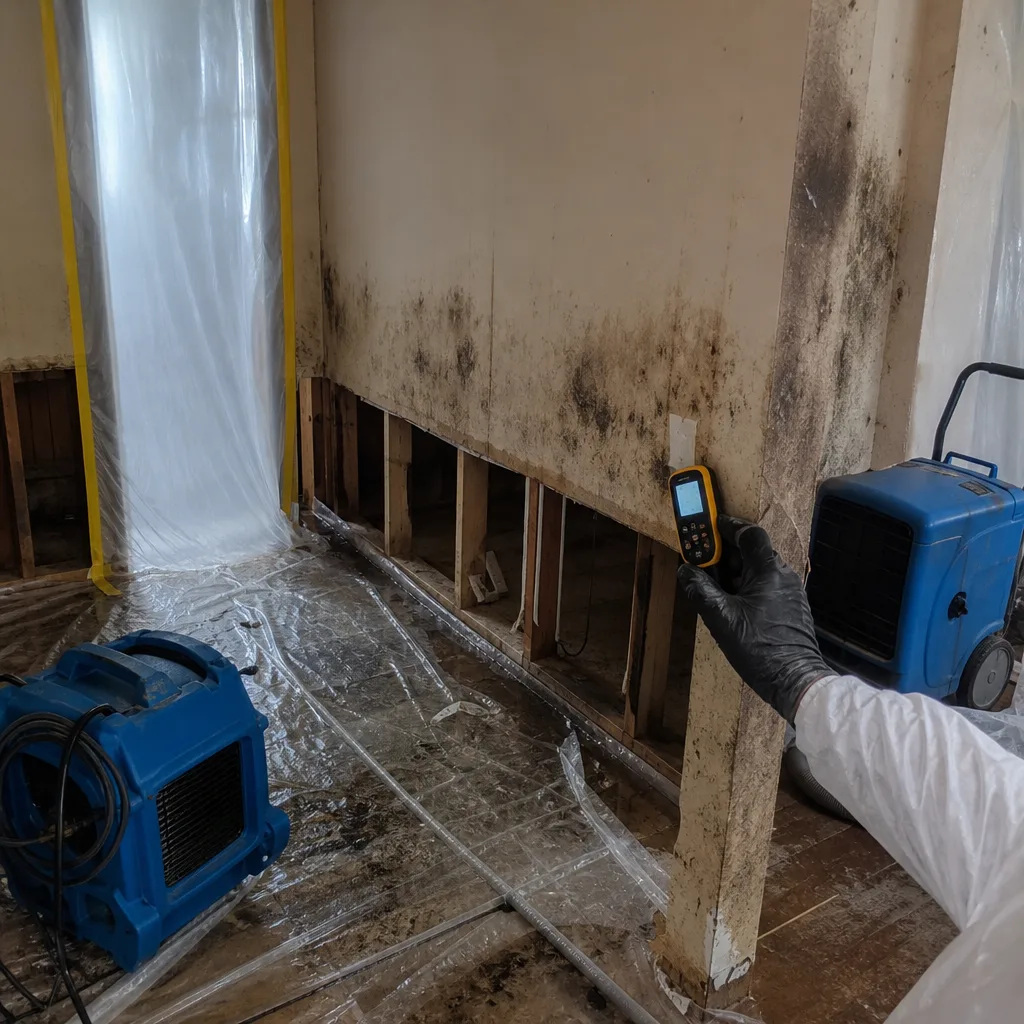 Before
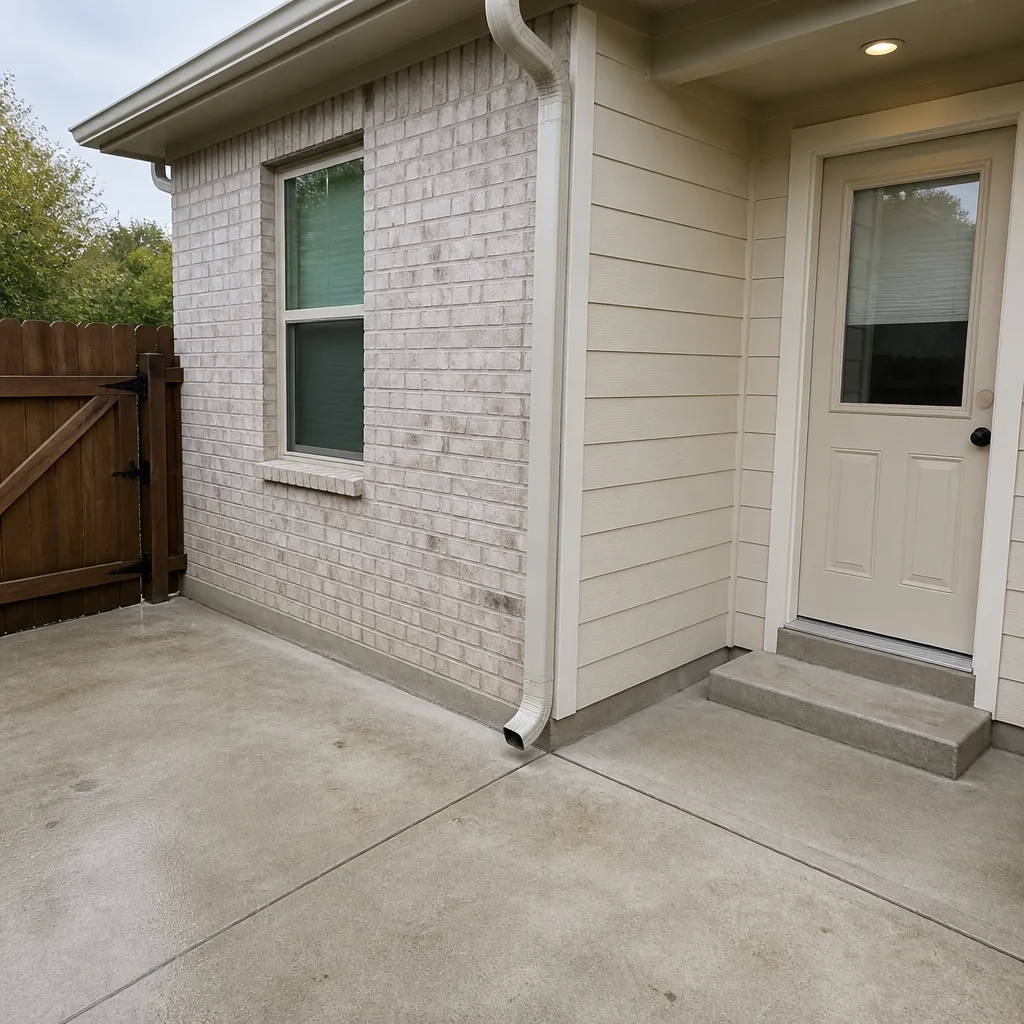 After
After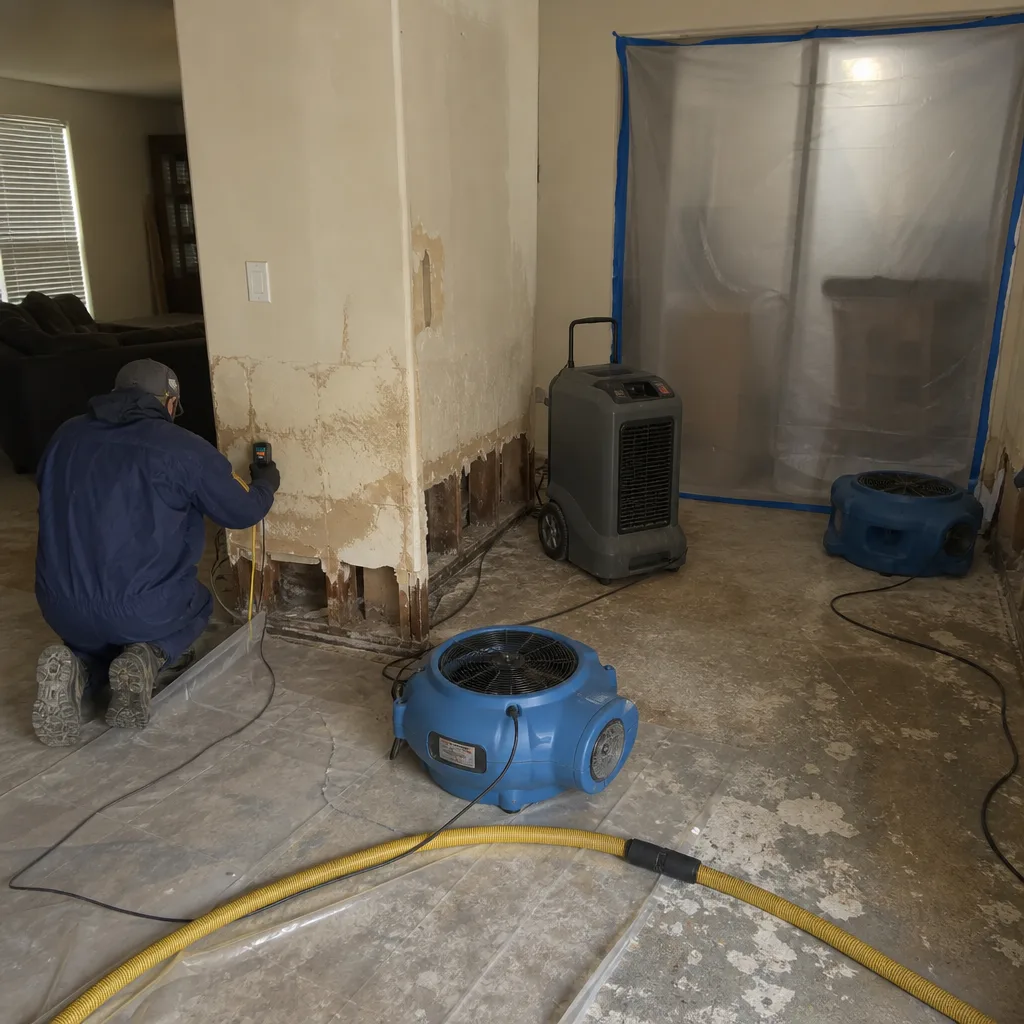 Before
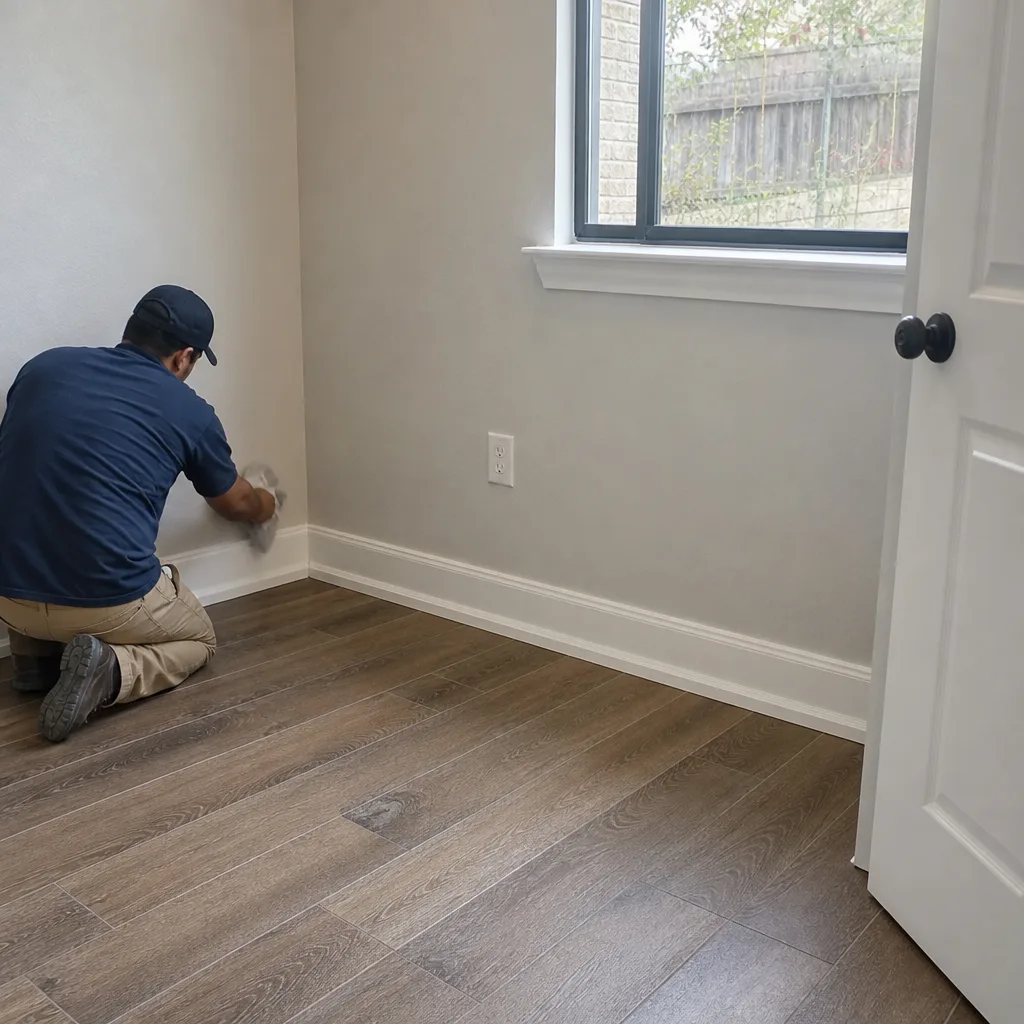 After
After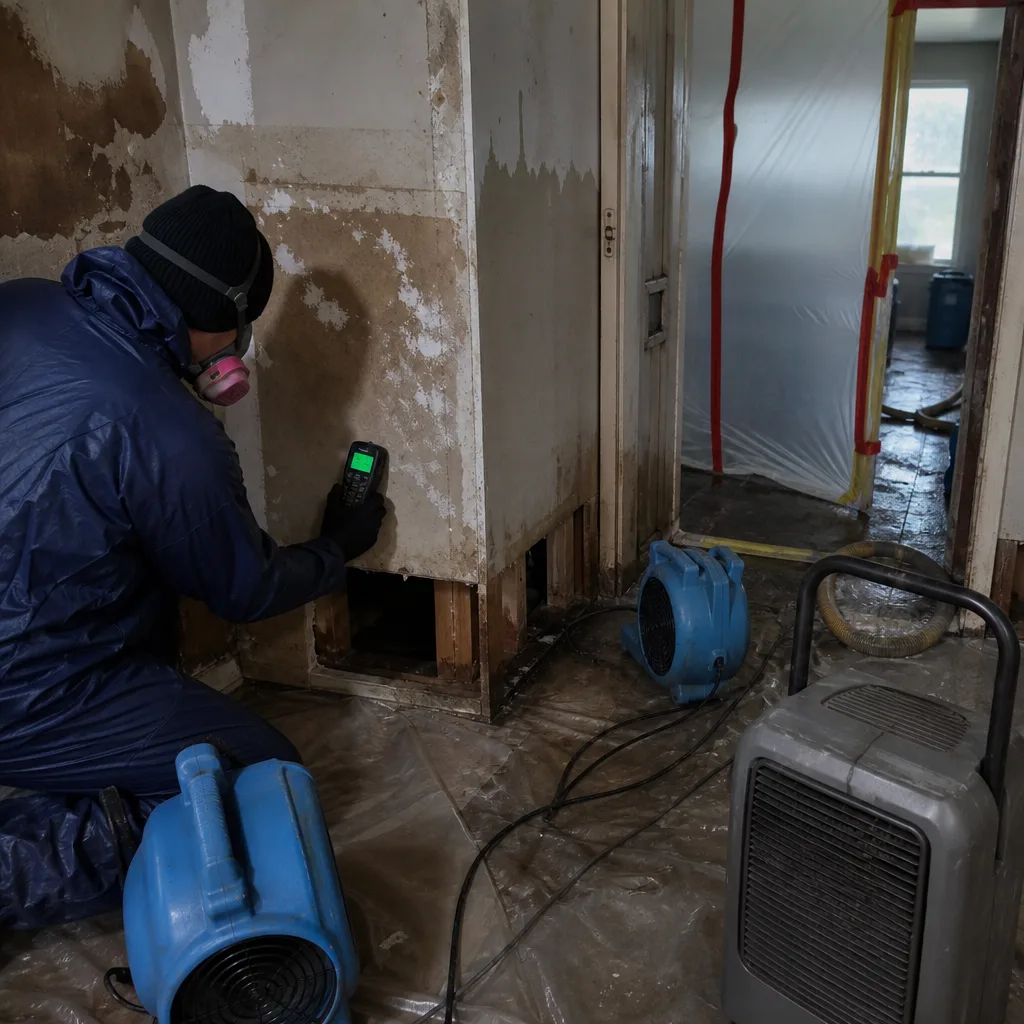 Before
 After
After