
Last updated October 16, 2026
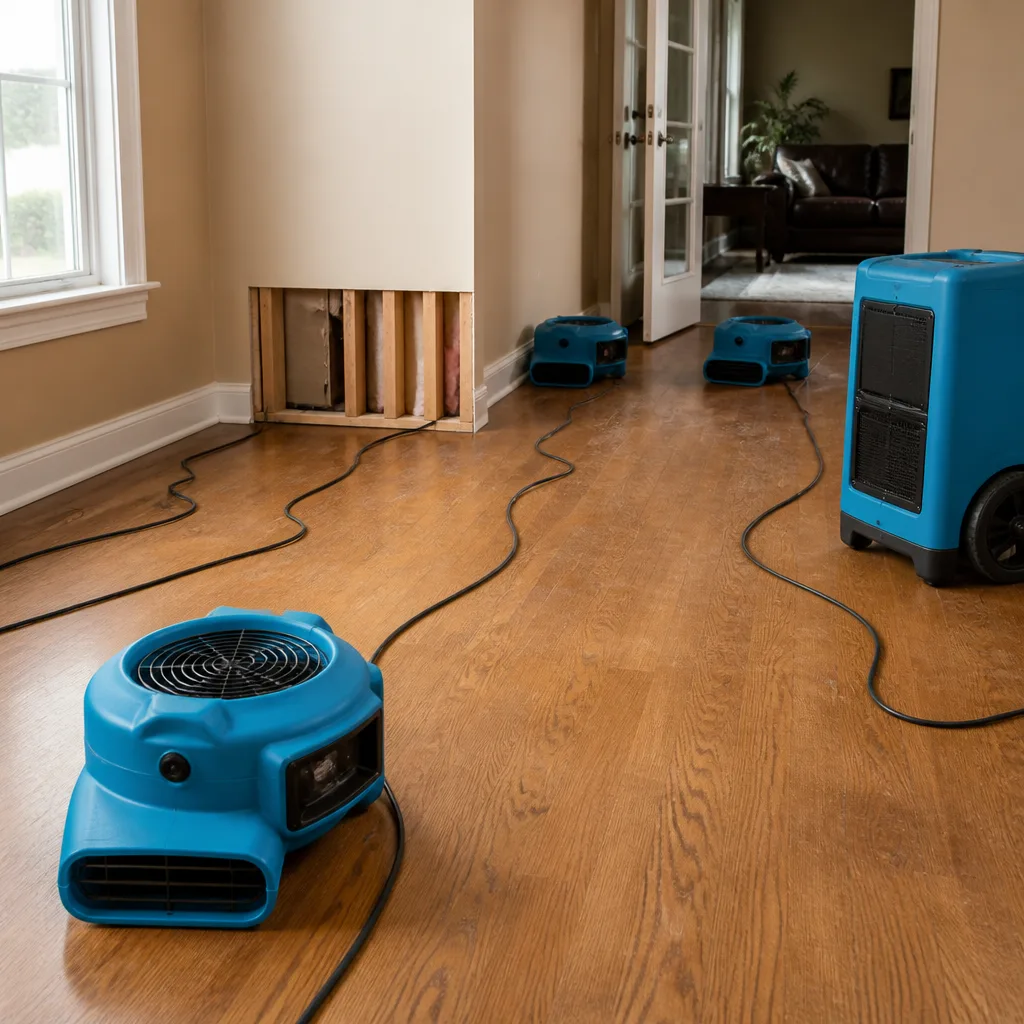 Water damage drying
 Fire & smoke cleanup
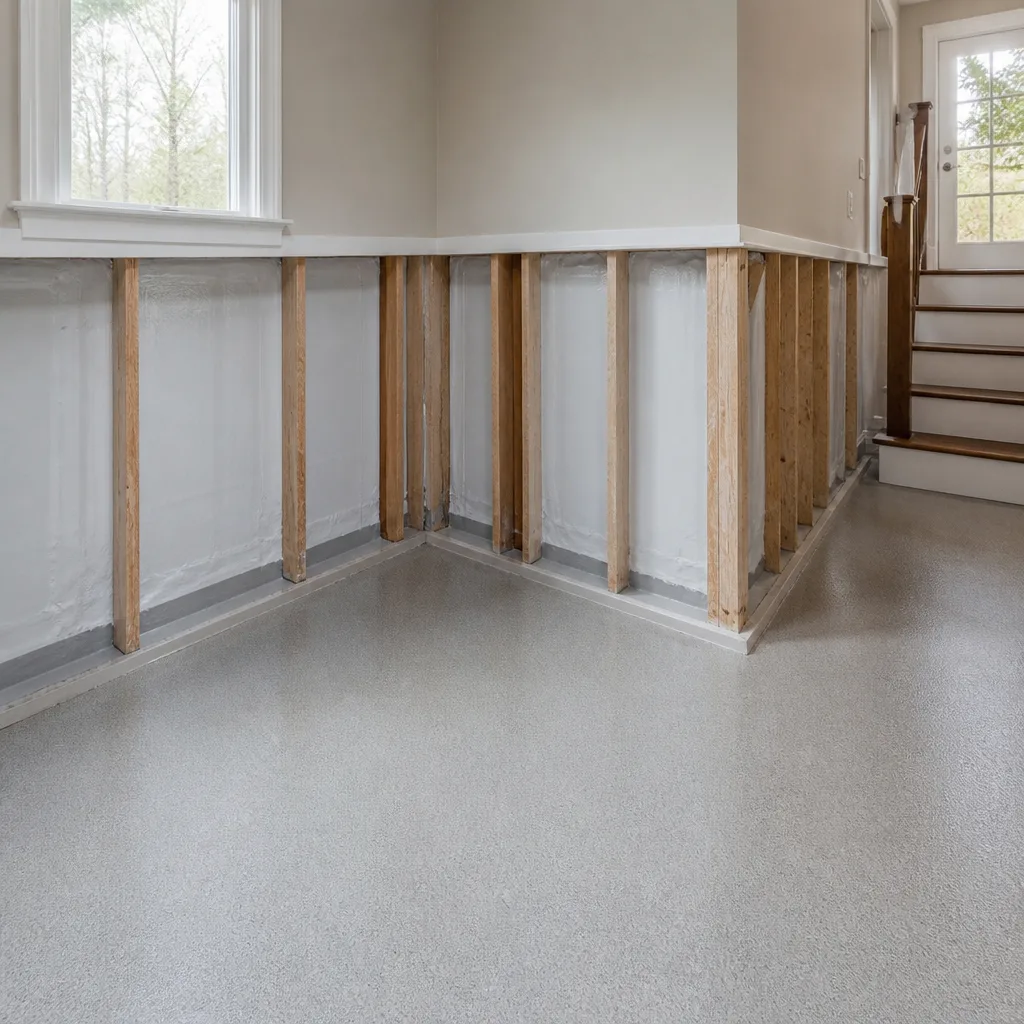 Mold remediation
 Storm response
 Sewage cleanup
 Reconstruction
Free visual inspection and a written scope of work before any mitigation begins - photos, moisture readings, and drying logs go in your claim file
The scope we write is the scope we bill. Anything new gets shown to you, in writing, before we touch it.
Get your free estimateDamage Restoration Warning Signs: A San Antonio Homeowner’s Reference Guide
Here’s a number most San Antonio homeowners never hear: a water leak that drips just once per second wastes roughly 3,000 gallons a year. That’s enough to fill a small swimming pool, and it’s happening inside walls, under slabs, or behind cabinets while the house looks perfectly fine. The damage restoration calls we get in San Antonio are rarely about dramatic floods. They’re about the slow, quiet leaks that have been whispering for months, and this guide teaches you to hear them before a $400 plumbing fix becomes a $14,000 structural repair. For more guides & resources, visit our blog.
Restoration work we handle
Quick Answer
The most reliable early warning signs of water damage in a San Antonio home are: a musty or metallic odor that comes and goes, water stains that change color over time, doors or windows that suddenly stick, unexplained spikes in your SAWS bill, and white mineral deposits on exterior brick. Any one of these signals deserves a closer look within 48 hours; two or more signals in the same area of the house means you almost certainly have an active moisture problem that should be assessed by a professional.
Table of Contents
- The Staining Spectrum: Reading What Your Walls Are Telling You
- What That Smell Actually Means: Musty, Sulfur, and Metallic Odors Decoded
- Tactile Warning Signs: When Your House Feels Wrong
- The 20-Minute Water Meter Leak Test Any Homeowner Can Do
- Exterior Signs You’re Probably Ignoring: Efflorescence, Soil Channels, and Splash Blocks
- Why San Antonio’s Climate Makes Damage Harder to Detect (And Faster to Spread)
- The Cost of Silence: What Hidden Water Damage Actually Costs
- Common Mistakes to Avoid
- When to Call a Professional
- Frequently Asked Questions
- The Bottom Line
The Staining Spectrum: Reading What Your Walls Are Telling You
Water stains are the most common warning sign homeowners notice, but almost nobody knows how to read them. A water stain is not just a brown patch. It’s a timestamp, and the color tells you whether you’re looking at something that happened last week or something that’s been rotting your drywall for a year. In our experience working on water damage restoration in San Antonio, the difference between a $500 repair and a $5,000 repair often comes down to whether someone caught a stain in its first phase.
Here’s what the color spectrum actually means:
- Fresh yellow or light beige stain: This is active moisture, typically less than 2-3 weeks old. The water is either currently present or dried very recently. If you press on a yellow stain and it feels cool or slightly soft, you have a live leak. Call someone.
- Copper or orange ring with a pale center: Water has been cycling through this spot. Each wet-dry cycle pulls minerals from the drywall into the stain, concentrating at the edges. This pattern is common with slow, intermittent leaks like a shower pan that only fails when someone stands in it.
- Dark brown center: The stain is 1-6 months old. If the edges are crisp and the surface is dry, the leak may have stopped on its own or been fixed. But you still need to check inside the wall cavity for mold, because trapped moisture doesn’t evaporate through painted drywall quickly in San Antonio’s humid climate.
- Gray or black ring with a visible white mineral crust at the edge: This is old damage, likely 6+ months, and the white crust is calcium and salt that water pulled through the drywall as it migrated. The gray ring means mold has probably established itself in the wall cavity. This is no longer a stain; it’s a remediation job.
- Stain that keeps growing or darkening over a few days: Active, ongoing water intrusion. No ambiguity. The water source is still feeding the stain.
One detail most people miss: stains on ceilings have a shape language of their own. A stain that forms a clean, circular pool near a bathroom wall or below a second-floor fixture usually points to a single point-source leak, often a supply line, a toilet wax ring, or a roof penetration. A stain that spreads in long streaks or follows a seam or joint in the ceiling means water is traveling, and the actual source may be several feet away. In San Antonio homes built before 1990, those seams often run parallel to floor joists, and water travels along the joists before it ever reaches the ceiling. The stain you see may be 6 feet from the actual leak.
When we first arrive at a water damage repair in San Antonio site, we photograph every stain under the same lighting conditions, then return in 48 hours to document whether it changed. That before-and-after documentation matters if you ever file an insurance claim, because adjusters respond to evidence, not descriptions.
What That Smell Actually Means: Musty, Sulfur, and Metallic Odors Decoded
A San Antonio home talks through its smells, and most people only notice them when they walk in after a week away. The problem is that smell receptors adapt: if you live in a house with a slow leak, your brain will stop registering the odor after about two weeks. That’s why the best “sniff test” happens when you come home from a trip, or when you walk into a room you don’t use often. Here’s how to decode the three smells that matter for damage restoration:
The Musty Smell (Geosmin and Mold VOCs)
That earthy, damp-basement smell is almost always mold or bacterial growth. The compound responsible, geosmin, is the same one that gives soil its smell after rain, and humans are wired to detect it at incredibly low concentrations: roughly 5 parts per trillion. In practical terms, if you smell “damp” at all, there is a moisture source. In San Antonio, where indoor humidity routinely exceeds 60% from April through October, a musty smell that appears only when the AC runs is a red flag. The evaporator coil sits in a dark, wet box inside your air handler, and condensate plus dust plus warm air is a mold buffet. Ductwork sweating in an unconditioned attic produces the same result. We’ve walked into homes in Alamo Heights and Stone Oak where the residents swore the smell was “just how old houses smell.” It’s not. Old houses smell like wood and dust. Damp houses smell like geosmin. The difference matters.
The Sulfur or Rotten-Egg Smell
This is not water damage, but it gets confused with it constantly. A true sulfur smell points to sewer gas, which means a dry P-trap, a cracked vent pipe, or a failing wax ring under a toilet. Sewer gas contains hydrogen sulfide, and beyond the odor, it’s an actual health concern in enclosed spaces. In a San Antonio pier-and-beam home, a broken sewer line under the crawlspace can vent into the living space for months before anyone identifies it. Don’t call a water damage company first if you smell rotten eggs. Call a plumber, or call us and we’ll help you figure out which trade you actually need. But do it quickly: sewer gas in a home is not a “wait and see” situation.
The Metallic or Oily Smell
A sharp, metallic odor near walls, baseboards, or in a mechanical closet usually means one thing: a metal component is corroding due to persistent moisture. The smell comes from volatile organic compounds released as iron and copper oxidize. Most commonly, this is a pinhole leak in a copper supply line inside a wall, a corroding water heater tank, or a rusting galvanized pipe (still common in San Antonio homes built before the mid-1960s). The smell itself isn’t dangerous, but the condition causing it absolutely is. A pinhole leak in a copper pipe behind a wall will eventually become a catastrophic rupture. In our experience, the average time from “I smell something metallic near the water heater closet” to “we have water coming through the living room ceiling” is 6 to 14 days. That’s a short window.
Tactile Warning Signs: When Your House Feels Wrong
Most homeowners think of water damage as something you see or smell, but in San Antonio’s climate, the most reliable early detectors are your hands and feet. Materials absorb moisture before they show visible damage, and that absorption changes how things feel. Here are the tactile signals that consistently show up in our mold remediation in San Antonio cases months before visible mold appears:
The Sticking Door
We hear this one constantly: “The door to the guest bathroom has been hard to close for a few months, but I figured the house was settling.” Sometimes a sticking door in a San Antonio home is just the summer humidity making a wood door expand slightly against its frame. But if the stick is new, localized to one door, and gets worse in winter (when humidity drops and wood should shrink), the frame itself is likely absorbing moisture from inside the wall or under the floor. A door frame that swells against the slab often means a slab leak is feeding moisture up through the sill plate. Similarly, a window that suddenly takes two hands to open in a house with clay-heavy soil is often not “just the age of the window.” It’s differential movement caused by moisture-saturated soil expanding against the foundation on one side.
The Floor That Feels Like a Trampoline
Walk across every room in your house in bare feet. On solid flooring (tile, hardwood, or concrete), a slight “give” or bounce underfoot in one specific spot is a serious signal. For a pier-and-beam home, it means the floor joists have been absorbing moisture and the wood is losing structural stiffness. For a slab home, a soft spot in hardwood or laminate usually means water has been wicking up through the slab and delaminating the flooring adhesive. Either way, that bounce does not fix itself. It gets worse, and it gets expensive fast.
Baseboards That Have Started to “Sweat”
Run your hand along the baseboards in any room that shares a wall with plumbing. A baseboard that feels cool to the touch on a warm, dry day is conducting heat away from the wall, which means the wall cavity behind it is wet. The same principle applies to small sections of tile floor that feel unexpectedly cold underfoot. Water holds and transfers heat differently than air or dry insulation. A cool patch in the middle of a room with no obvious draft is often a slab leak announcing itself.
Paint or Wallpaper That Feels “Loose”
Press gently on painted drywall in rooms below bathrooms or near windows. If the paint surface shifts slightly under your finger, even without visible bubbles or peeling, moisture has weakened the bond between the paint film and the drywall paper. This is an extremely early warning sign, one that often appears 3-6 weeks before visible blistering. It’s most common in San Antonio homes where the AC runs constantly and homeowners don’t open windows: the interior air is so conditioned and stable that moisture events get trapped inside wall cavities instead of naturally dissipating.
The 20-Minute Water Meter Leak Test Any Homeowner Can Do
Every home in San Antonio serviced by SAWS has a water meter with a leak indicator, and the test we’re about to describe costs nothing, requires zero tools beyond a smartphone camera, and delivers a definitive answer about whether you have an active leak inside your home. We run this test mentally on nearly every job we walk into, and it works.
The concept is simple: if nobody is using water and nothing is running, the meter should not move. If it does, water is going somewhere. Here’s the step-by-step:
- Turn off every water source inside and outside the house. That means faucets, ice makers, washing machines, dishwashers, irrigation systems, water softeners, and anything else connected to the supply line. If you have a pool with an autofill, turn that off too.
- Locate your water meter. In San Antonio, SAWS meters are typically in a rectangular box near the street or sidewalk at the front of the property, embedded in the ground with a metal or plastic lid. Lift it carefully; spiders like these boxes.
- Note the exact position of the sweep hand or digital readout. Take a photo with your phone. This is your baseline.
- Wait 20 minutes. Do not use any water during this window. No flushing toilets, no hand washing, no running the coffee maker that pulls from the reservoir line.
- Return to the meter and compare against your photo. If the sweep hand has moved in either direction, or if the digital readout has advanced even by 0.01 gallons, you have an active leak.
- Isolate the source. The most common culprit in San Antonio homes is a toilet flapper that leaks silently. Close the supply valves behind every toilet (or at least note which toilets you can’t isolate) and repeat the test. If the meter stops moving when a particular toilet is isolated, that toilet is the leak. If the meter continues moving with all toilets off, the leak is in the supply line, irrigation system, or a fixture you missed.
This test catches leaks that waste hundreds of gallons a month and never show a visible stain. If your meter shows movement and you can’t find the source, that’s a direct signal to call a professional who can trace the leak before it finds a way into your walls or slab. See our How to Hire a Damage Restoration Contractor in San Antonio: A Step-by-Step Guide for help choosing the right company.
Exterior Signs You’re Probably Ignoring: Efflorescence, Soil Channels, and Splash Blocks
Water damage doesn’t always start inside. In San Antonio, where clay-heavy soils expand and contract dramatically through the year, the exterior of your house is often the first place the problem shows up. These are the three signs we see most often in our damage assessments, and they’re almost always missed by homeowners until someone points them out.
Efflorescence on Brick or Block Foundation Walls
That white, chalky, crystalline deposit on exposed foundation walls or the lower courses of brick is called efflorescence, and it’s not just cosmetic. It’s salt that water has dissolved out of the masonry and deposited on the surface as it evaporated. Efflorescence is proof that liquid water is moving through your foundation wall. In an older San Antonio home with a pier-and-beam foundation, efflorescence on the block piers or the skirt wall means the crawlspace has a drainage problem. On a slab home, efflorescence near the grade line usually means sprinkler overspray or poor exterior grading is keeping water pressed against the foundation. If left unaddressed, the salts continue cycling through the wall, weakening mortar joints and creating a direct path for moisture intrusion and mold growth inside wall cavities.
Soil Erosion Channels Toward the Foundation
Walk your property line after the next heavy rain. Look for small channels or rivulets in the soil that direct water toward the house rather than away from it. In San Antonio, many homes have clay soil that swells when wet and seals against further absorption; the water then runs on the surface and follows the path of least resistance. Over years, that path becomes a visible channel, and every storm delivers more water directly against the slab or into the crawlspace. The fix is usually straightforward, properly compacted soil sloping away from the foundation at 6 inches of drop over 10 feet, or a French drain in stubborn cases. The damage caused by ignoring it is not. Persistent water against a foundation wall in a city that alternates between drought and downpour creates the exact conditions that cause slab movement, cracked foundations, and structural drywall cracks inside the home.
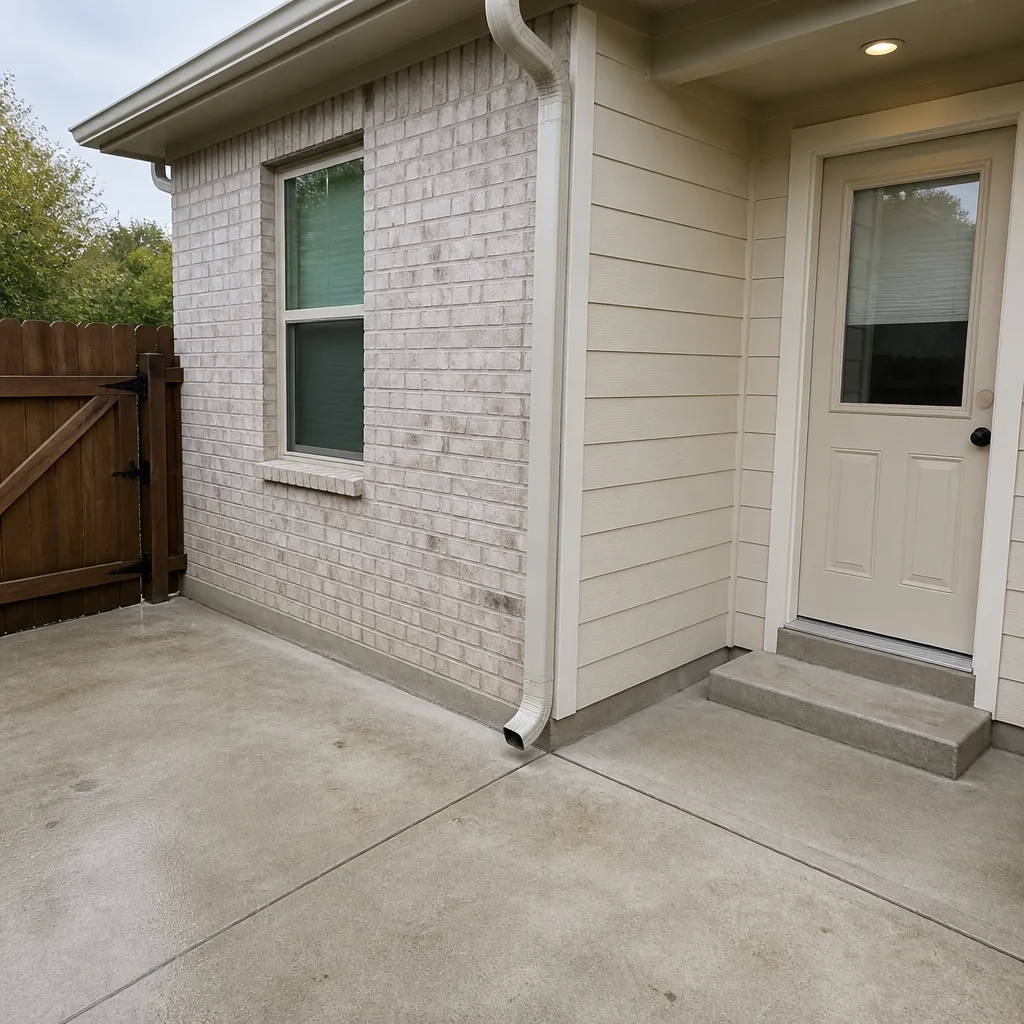
Gutter Downspout Splash Block Displacement
This one seems so minor that people overlook it for years, but it’s one of the highest-value early warnings you can find. A splash block is the concrete or plastic tray positioned under a gutter downspout to deflect water away from the foundation. If yours has been pushed aside, cracked, or flipped over, or if the downspout has pulled away from the gutter and water is dumping directly against the house, you have a problem. In San Antonio’s summer storm pattern, a single heavy downpour can deliver thousands of gallons to one corner of the house. When that water lands at the foundation line, it saturates the soil, and in clay-heavy areas like the northwest side of the city, the resulting expansion can shift a slab by millimeters, enough to crack drywall, break tile, or bind doors. A new splash block costs about $12 and takes five minutes to position. The damage it prevents can run into five figures.
Why San Antonio’s Climate Makes Damage Harder to Detect (And Faster to Spread)
San Antonio is an unusual damage restoration market because the climate actively pushes water where you can’t see it. The city’s average relative humidity is around 67% year-round, which is high enough that wet building materials dry slowly, but not high enough that homeowners run dehumidifiers as a matter of course. The result is a perfect breeding ground for the slow leaks we’re describing in this guide.
Three climate factors matter most:
- High ambient humidity means materials stay wet longer. A drywall cavity in Phoenix dries in a day or two after a small leak because the air inside the wall is bone dry. In San Antonio, that same cavity can hold moisture at 70%+ relative humidity for weeks. Mold germination begins at around 60% relative humidity at the material surface, which means the window between “small leak” and “mold colony” is dramatically shorter here.
- Clay soil shrink-swell cycles push and pull on foundations. San Antonio sits on expansive clay, and the annual cycle of wet winters and dry summers causes the soil to swell and shrink by significant margins. When moisture is added unevenly, say from a slab leak or downspout problem, the soil on one side of the foundation swells while the other side stays dry, creating differential movement that cracks driveways, separates bricks, and opens new paths for water intrusion.
- The limestone substrate channels water unpredictably. Much of San Antonio sits on the Edwards Plateau, and the limestone beneath the soil is porous and fractured. Water from a leak can travel through fissures in the rock and emerge in surprising places, which is why a stain on one side of a room doesn’t always mean the leak is directly above it. This also complicates slab leak detection, because water may run along the limestone under the slab for considerable distance before surfacing.
The practical takeaway for a San Antonio homeowner is this: when you notice any warning sign from this guide, act on it quickly. In drier climates you might have a few weeks. In San Antonio’s humidity, you have days before mold becomes an additional problem layered on top of the water damage itself.
The Cost of Silence: What Hidden Water Damage Actually Costs
We’re going to talk about money directly, because the financial difference between early and late detection is steeper than most people believe. These are realistic ranges for the San Antonio market, shared so you can make decisions with actual numbers instead of vague anxiety:
- Leaking toilet wax ring caught in the first month: $250-$500. Includes a new wax ring, possible minor subfloor repair, and drying if needed. It’s a plumber call, not a restoration project.
- The same leaking toilet wax ring ignored for 6+ months: $3,500-$9,000. The subfloor is now rotted, the floor joists or slab are affected, mold is present in the cavity, and the bathroom floor has to be partially removed and replaced. This is the same leak, just older.
- Pin-hole supply line leak detected via meter test before it ruptures: $400-$1,200 for the plumbing repair. No restoration needed if the wall cavity is opened quickly and dried properly.
- The same pin-hole leak after it ruptures on a workday: $8,000-$25,000. The rupture floods the wall cavity, saturates insulation, pours into the room below, damages flooring and baseboards, and introduces water into places that will take industrial drying equipment to reach. This is a full restoration project.
- Slab leak detected early via cool floor spots and rising water bills: $2,500-$6,000 depending on leak location and whether re-routing is feasible.
- Slab leak that runs for a year before detection: $10,000-$35,000. Flooring replacement, possible foundation repair, mold remediation behind baseboards and in wall cavities, and months of disruption.
The pattern is obvious. The same leak costs 10 times more when it’s allowed to run and spread. In our restoration work across San Antonio, we estimate that 60-70% of the most expensive jobs started as problems a homeowner noticed but rationalized away: the door that stuck a little, the water bill that seemed slightly high, the smell that came and went. The physical damage did not care about the rationalization.
Common Mistakes to Avoid
- Painting over a water stain without finding the source. Paint seals the surface but traps moisture in the wall cavity, creating ideal mold conditions. A stain that appears to “come back” through new paint is always mold or active moisture pushing through from behind. Find the source first.
- Assuming a dry stain means the problem is resolved. Drywall can feel dry to the touch while the wall cavity behind it is still at 70% relative humidity. The material surface dries faster than the interior space, especially in air-conditioned San Antonio homes.
- Trusting a ceiling to “just dry on its own.” In San Antonio’s climate, a water-saturated ceiling does not dry on its own. It grows mold, loses structural integrity, and eventually falls. The cost to cut an inspection hole and assess the cavity is less than a hundred dollars. The cost to replace a collapsed ceiling is thousands.
- Ignoring a small uptick in the water bill as “just the summer irrigation.” SAWS bills show usage history. If your summer usage is up significantly over last summer and you haven’t changed irrigation habits, something is leaking. Run the meter test.
- Running a box fan on wet carpet and calling it drying. A box fan circulates air but does not extract water from materials. Professional drying uses psychrometric measurements and low-grain refrigerant dehumidifiers to pull water out of building materials. The difference is measurable in days versus weeks and in final moisture content.
- DIY mold removal with bleach on porous surfaces. Bleach does not kill mold on drywall, wood, or carpet; it bleaches the surface color while the root structure survives and continues growing. Plus, the moisture from the bleach solution adds water to the material, making the problem worse. Proper mold remediation on porous surfaces requires removal or professional treatment.
- Waiting to file an insurance claim because “the damage doesn’t look that bad.” Most homeowners policies have a duty to mitigate, meaning you’re required to prevent further damage once you become aware of it. Waiting can give an adjuster grounds to reduce or deny coverage for the additional damage. Document everything, mitigate what’s safe, and report promptly.
When to Call a Professional
Some situations warrant a professional assessment immediately, not after a weekend of YouTube research. Call a restoration professional if you have water that reappears after cleaning, a stain that grows, a smell that persists after the obvious source is fixed, or any indication of a slab leak. Also call if you discover water damage behind a wall or under flooring and you can’t see the full extent. The tools we use, like moisture meters, thermal imaging, and low-grain refrigerant dehumidifiers from Dri-Eaz and Phoenix, can find and dry what you can’t see with your eyes. RIA and IFA standards exist because proper drying is a measurable process, and guessing usually leaves hidden moisture that becomes next month’s mold problem. We’re here if you need us: Wendell Restoration San Antonio home inspections and estimates are free, and we’ll tell you the price before any work starts. If you’re seeing any of the signs in this guide, call (325) 413-9949 and talk to a live person.
Frequently Asked Questions
A yellow or light beige stain is recent (under a month), a dark brown stain is 1-6 months old, and a gray or black stain with a white mineral ring is 6+ months old and likely involves mold. The fresh stain feels cool or soft to the touch; the old stain is hard and dry. If you’re unsure, mark the outline of the stain with a pencil line and check it again in 48 hours. Growth means active water. San Antonio’s humidity means even an old stain can hide a still-wet wall cavity.
The AC blower pulls air from inside the house and pushes it across the evaporator coil before distributing it through ductwork. If the coil, drain pan, or ducts are wet from condensation and harbor mold growth, the smell only becomes noticeable when the fan runs because that’s the only time the mold’s volatile compounds are actively circulated through the living space. In San Antonio, where the AC runs from March through November, this is one of the most common first signals of a hidden moisture problem. The fix usually involves cleaning or replacing the coil and addressing the condensation drainage issue.
Yes. Everything structural about a house is vulnerable to water: wood floor joists lose bearing capacity as moisture content rises above 20%, drywall loses up to 80% of its strength when saturated, and gypsum-based materials like drywall and ceiling texture dissolve back into paste under continuous moisture. A slab leak that goes undetected for a year will have begun to erode the soil under the slab and can cause cracking in the concrete itself. What you can’t see is exactly what’s doing the damage.
Under San Antonio conditions, 48 to 72 hours from the initial moisture event to visible colony formation. The actual germination of mold spores on a wet organic surface like drywall begins within 24-48 hours at typical indoor temperatures of 72-78°F and relative humidity above 60%. By the time you smell it or see discoloration, the colony has been growing for at least several days and is releasing spores throughout the affected space. This is why fast response matters more than any other factor in limiting mold contamination.
If it’s safe to do so, stop the source of water by shutting off the supply valve to the affected fixture or the main water valve if you can’t isolate it. Remove small items (books, electronics, rugs) from the floor in the affected area. Place aluminum foil under furniture legs to prevent staining. Do not use a household vacuum on wet carpet and don’t run fans directly on visible mold, which can aerosolize spores. Take photos of everything for insurance documentation. Then call us at (325) 413-9949 and we’ll give you a written price before any work starts.
Homeowners policies typically cover sudden and accidental water damage, including some hidden leaks, but the specifics depend on your policy language and how long the leak has been running. Insurers often deny or reduce claims for “long-term seepage” or “lack of maintenance,” which is exactly how they classify the slow leaks described in this guide. The strongest position you can be in is to document the warning signs early, run the meter test, and file your claim with photographic evidence and a professional assessment that establishes when the damage likely occurred. We document every job with photos before, during, and after, and we coordinate directly with your adjuster so the claim has the evidence it needs.
The Bottom Line
Your San Antonio house is always sending you signals. The door that sticks, the stain that darkens, the smell that comes and goes, the meter that creeps forward when everything is “off”: these are not quirks, and they don’t fix themselves. The difference between a $300 fix and a $30,000 restoration is measured in weeks, not years, and in a climate that actively accelerates water damage and mold growth, those weeks matter more than most homeowners realize. Learn to read the signals, trust what your own eyes and nose and fingertips are telling you, and when you find something, act. For ongoing protection, see our Seasonal Damage Restoration Care for San Antonio: Year-Round Homeowner’s Guide. We’re here in San Antonio if you need a professional assessment, a written price, and a plan. Call (325) 413-9949 and speak to a real person today.
Written by Blake Sorensen, Owner at Wendell Restoration San Antonio, serving San Antonio since 2006.
See the difference
 Before
 After
After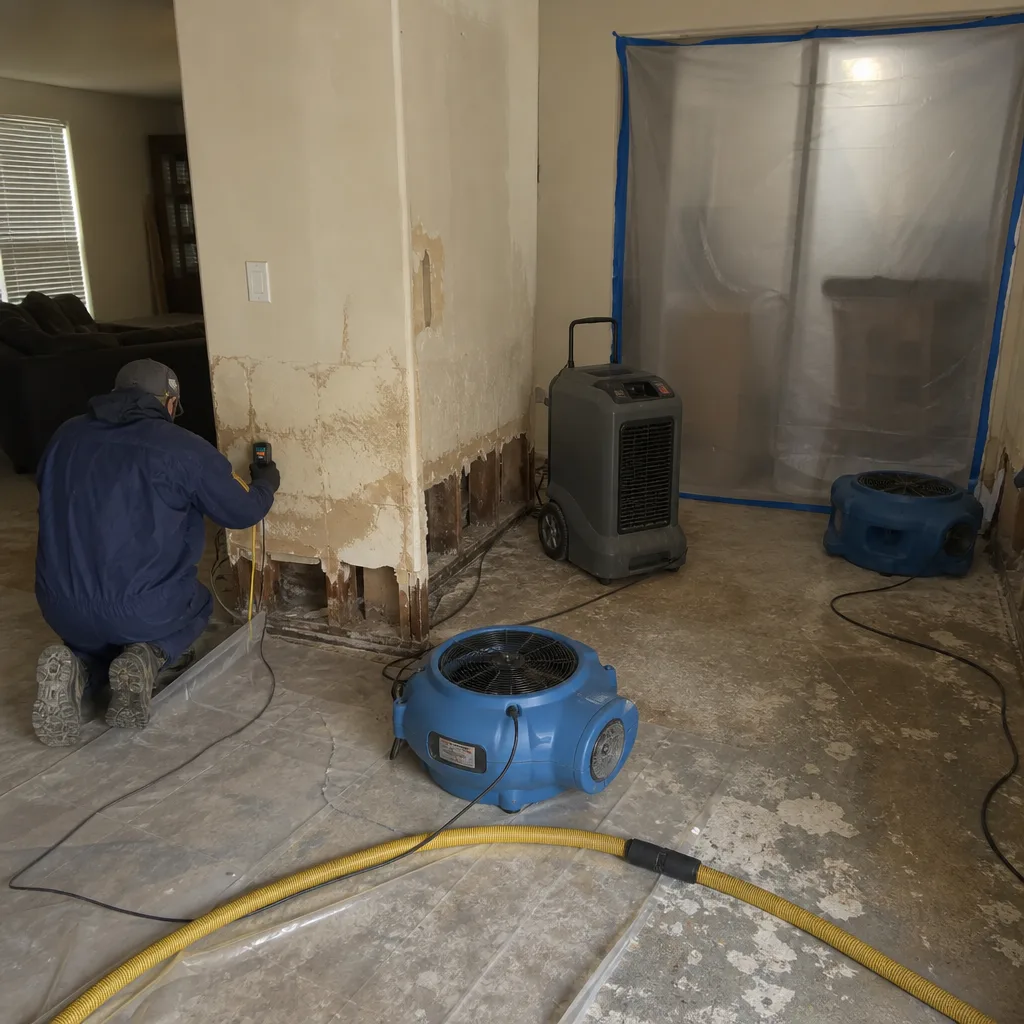 Before
 After
After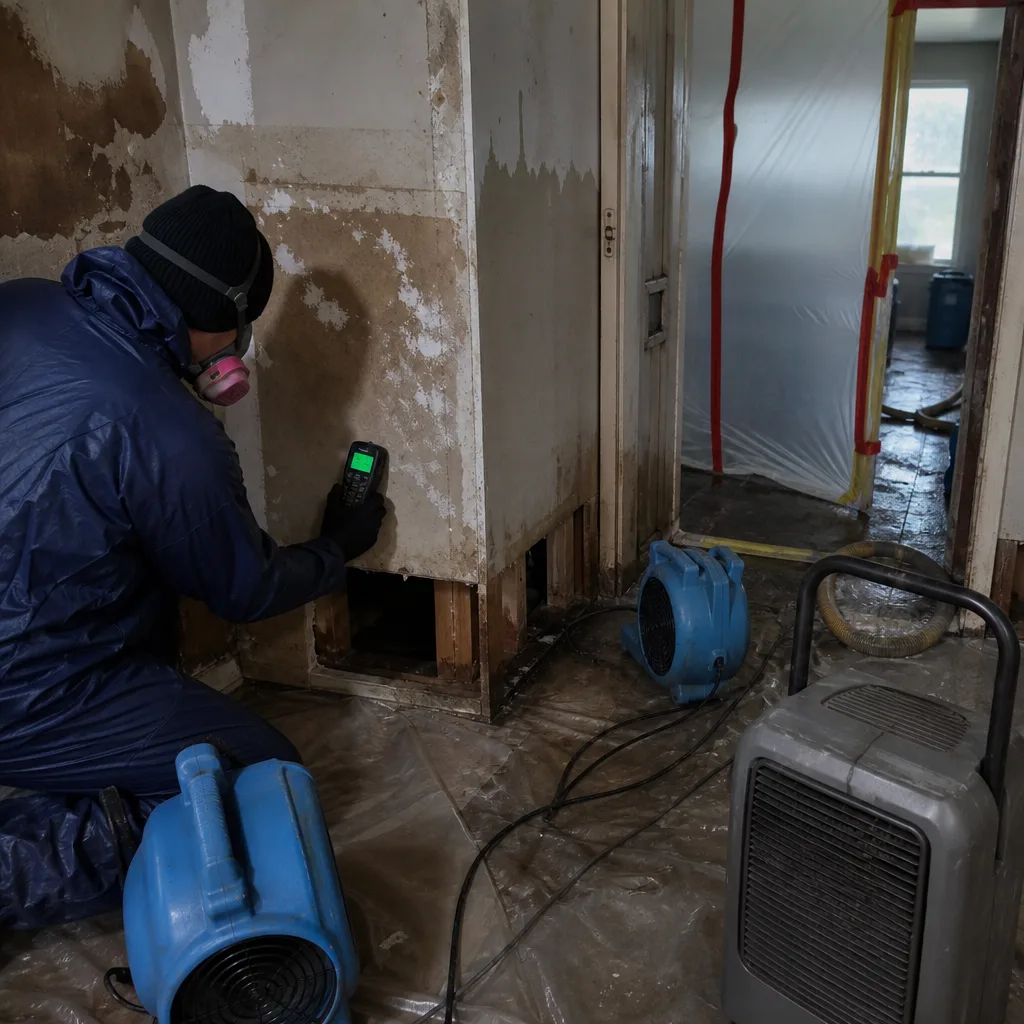 Before
 After
After