
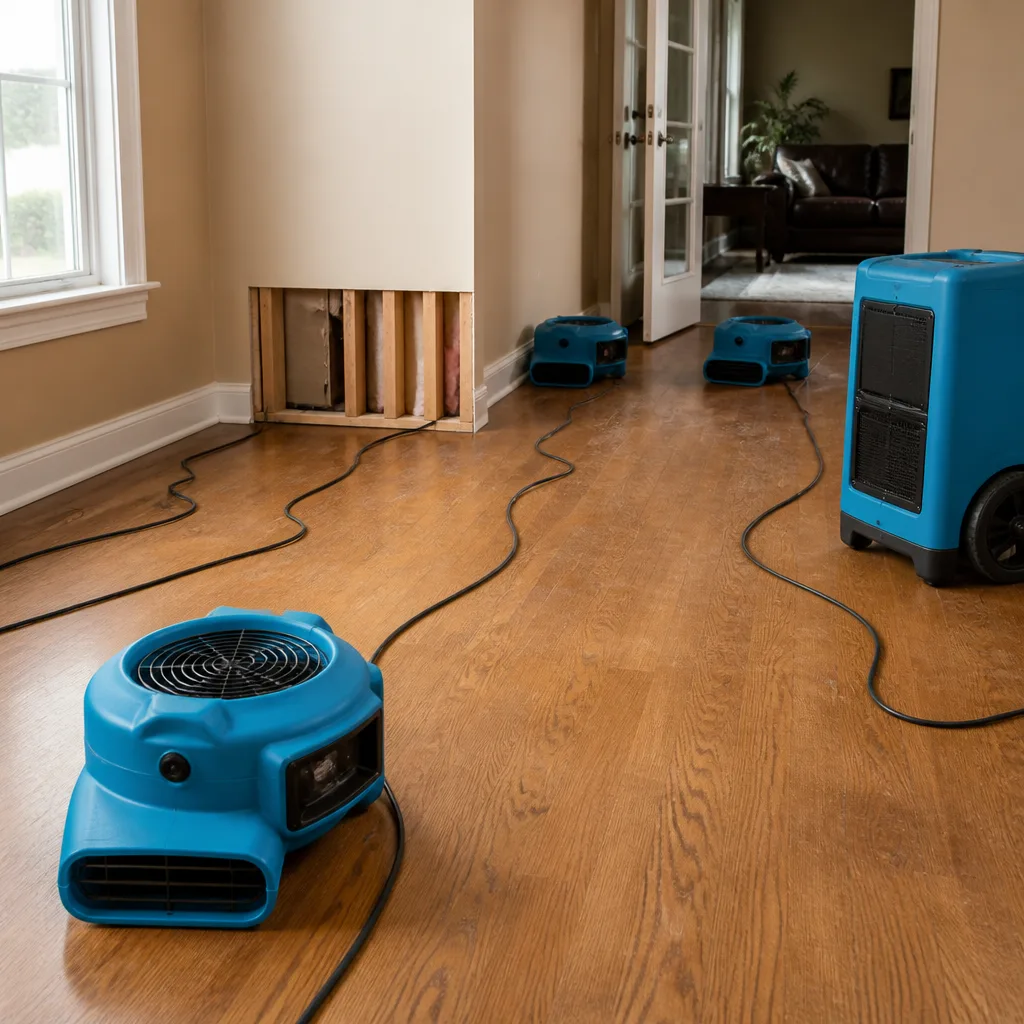
 Water damage drying
 Fire & smoke cleanup
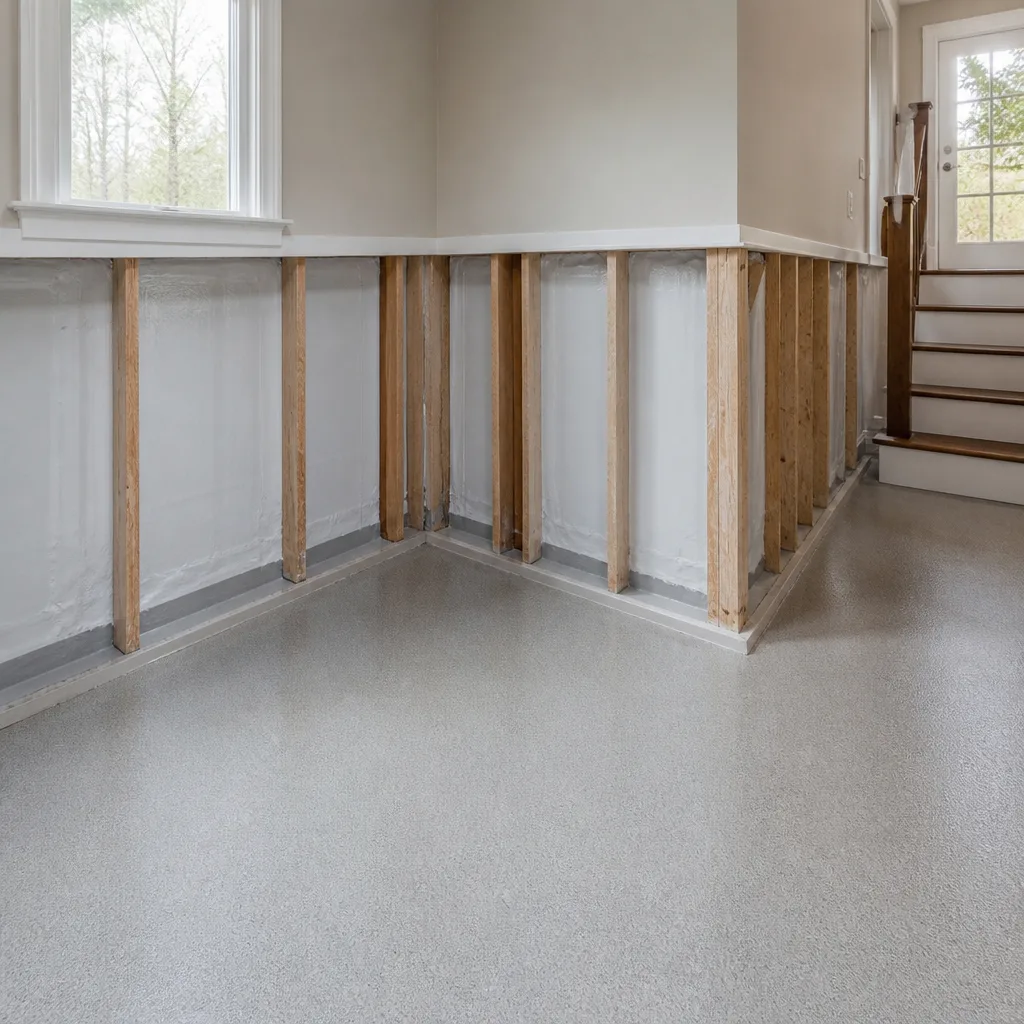 Mold remediation
 Storm response
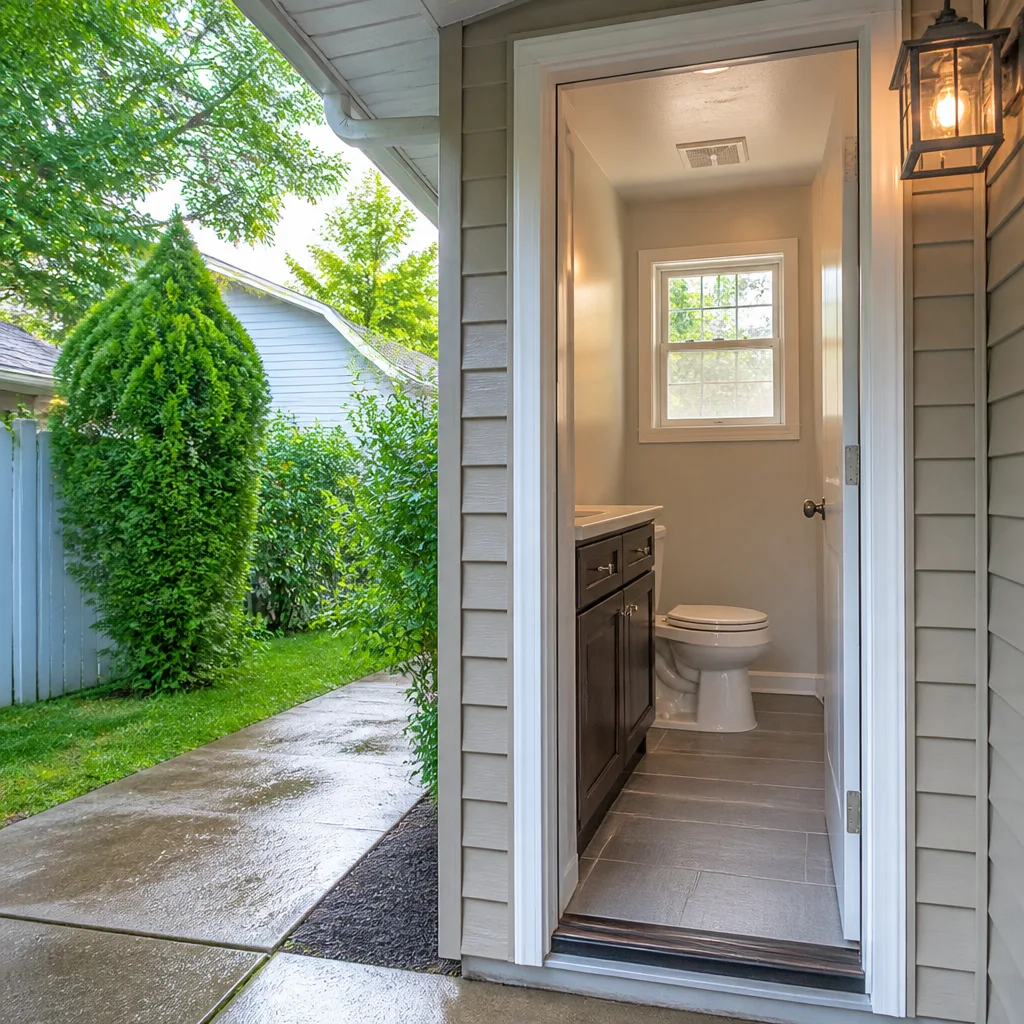 Sewage cleanup
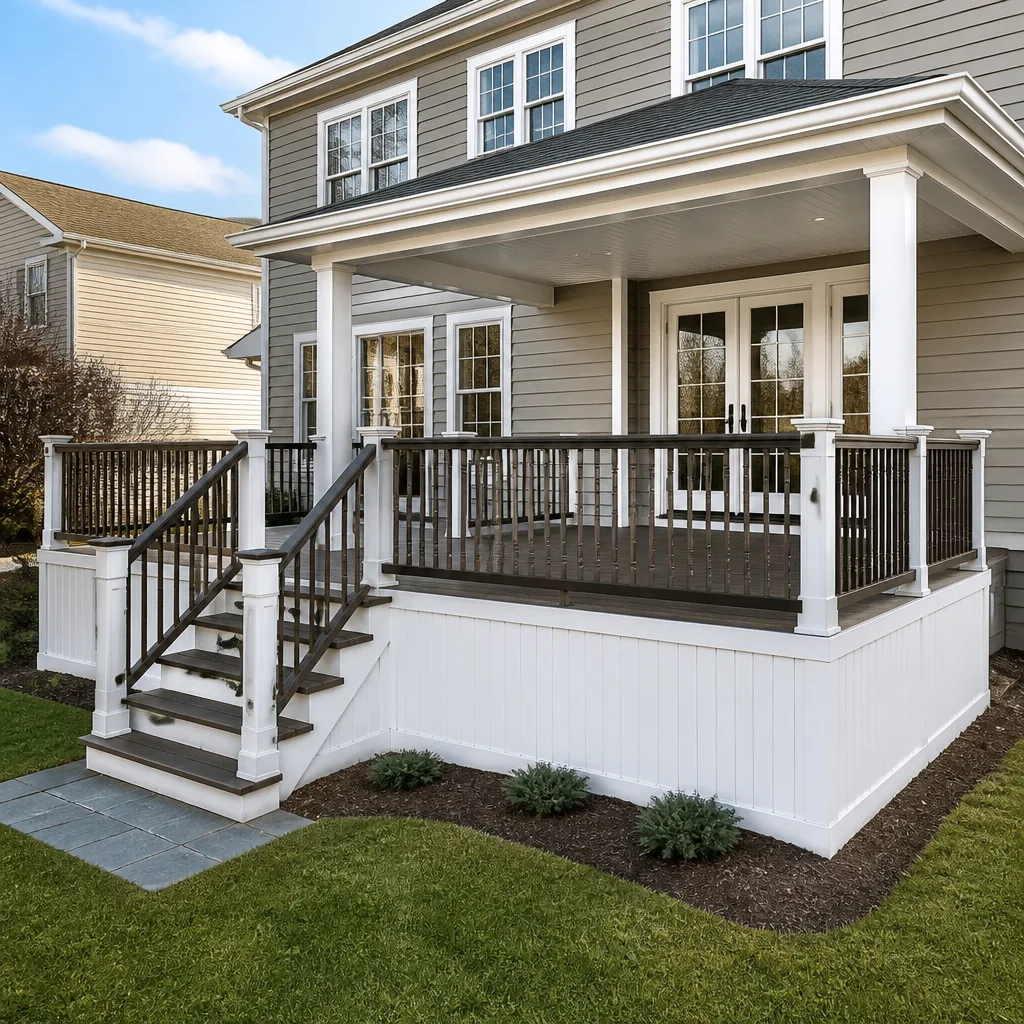 Reconstruction
Free visual inspection and a written scope of work before any mitigation begins - photos, moisture readings, and drying logs go in your claim file
The scope we write is the scope we bill. Anything new gets shown to you, in writing, before we touch it.
Get your free estimateRestoration work we handle
See the difference
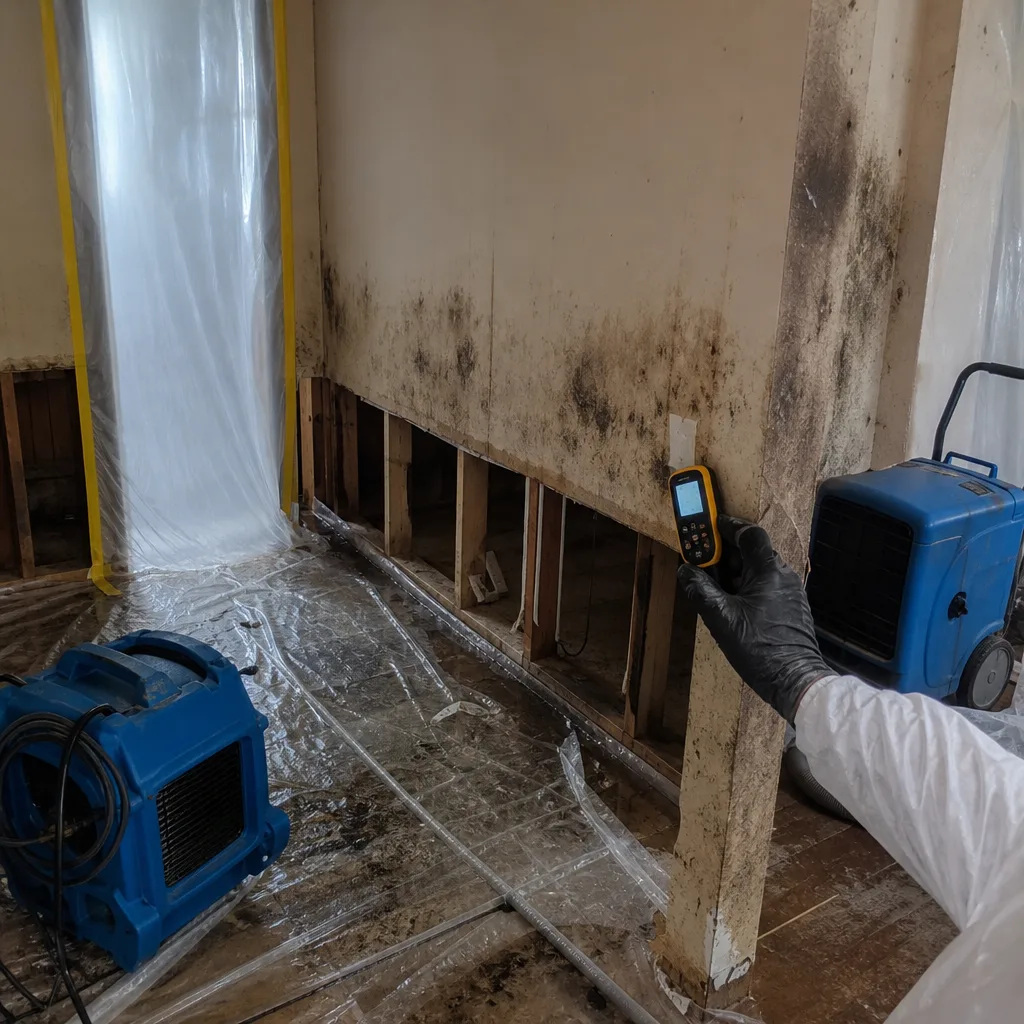 Before
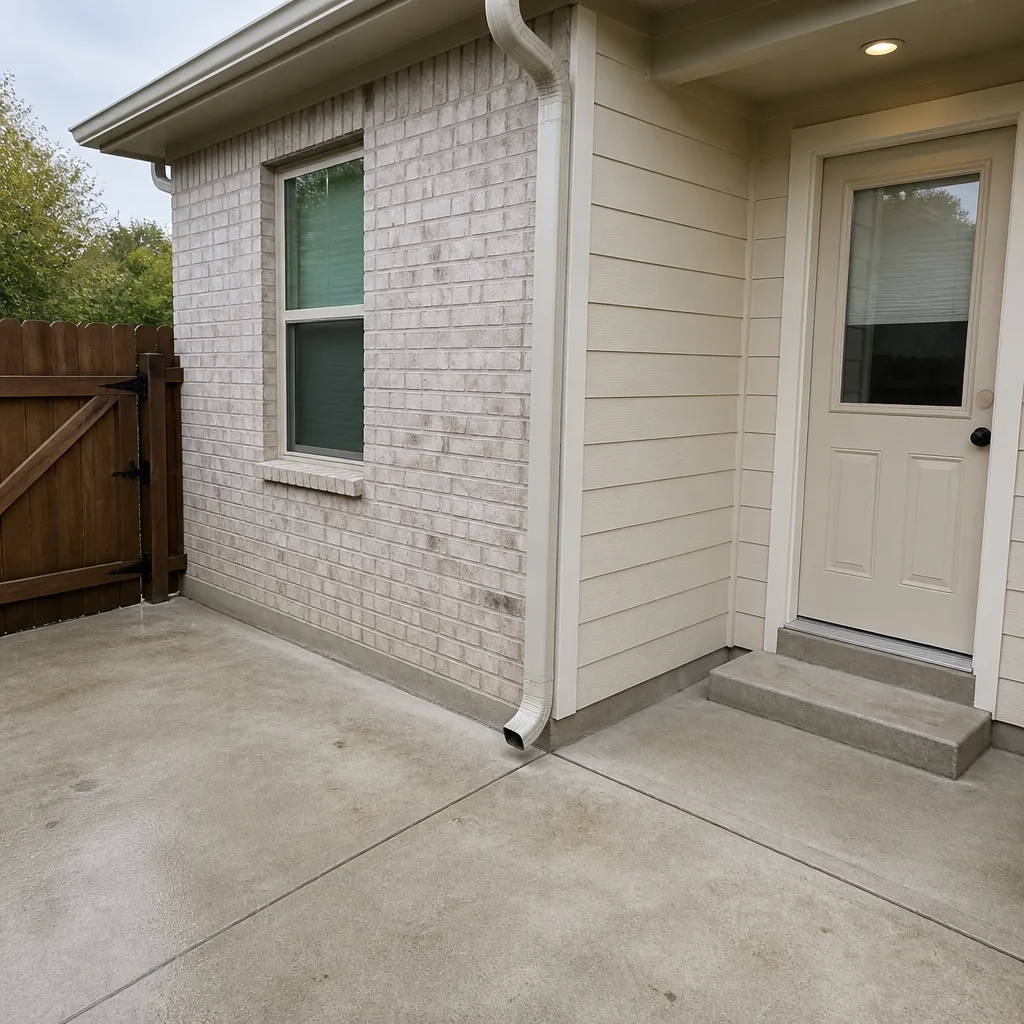 After
After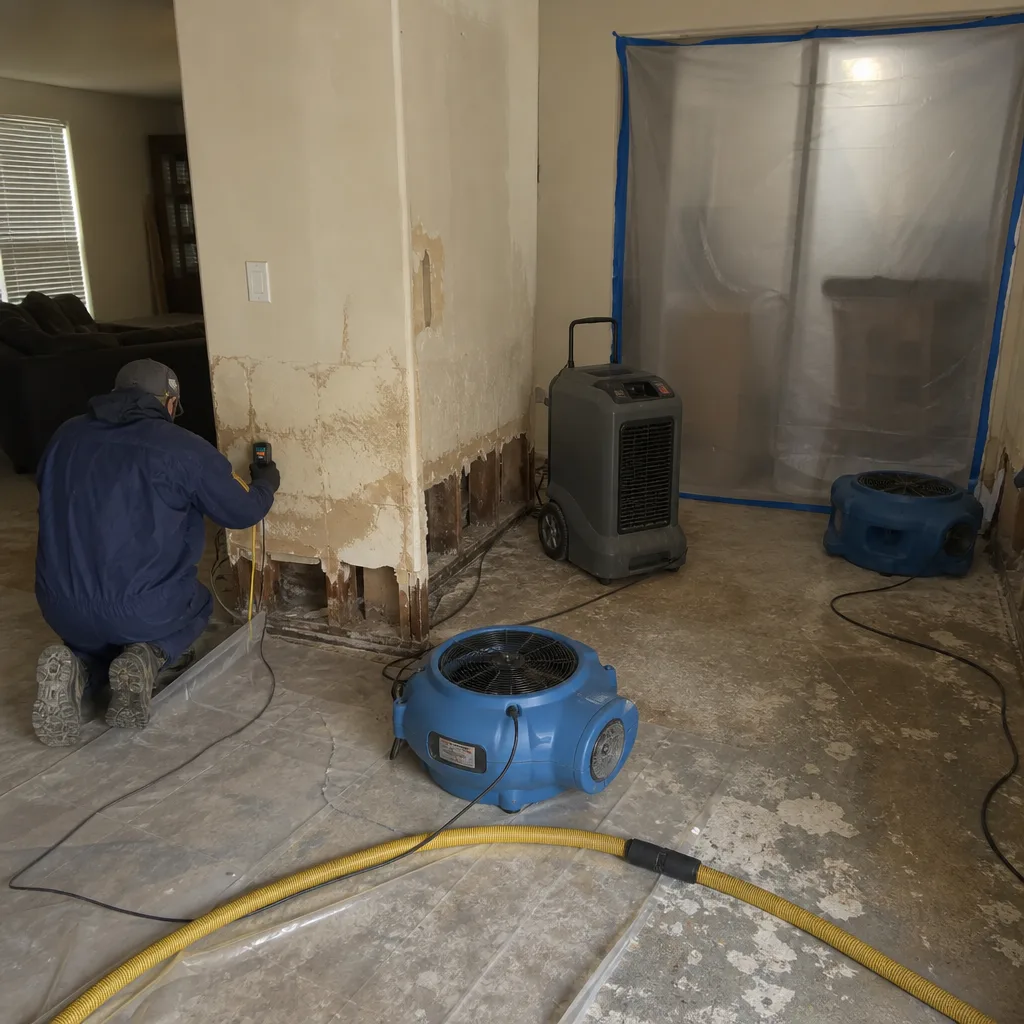 Before
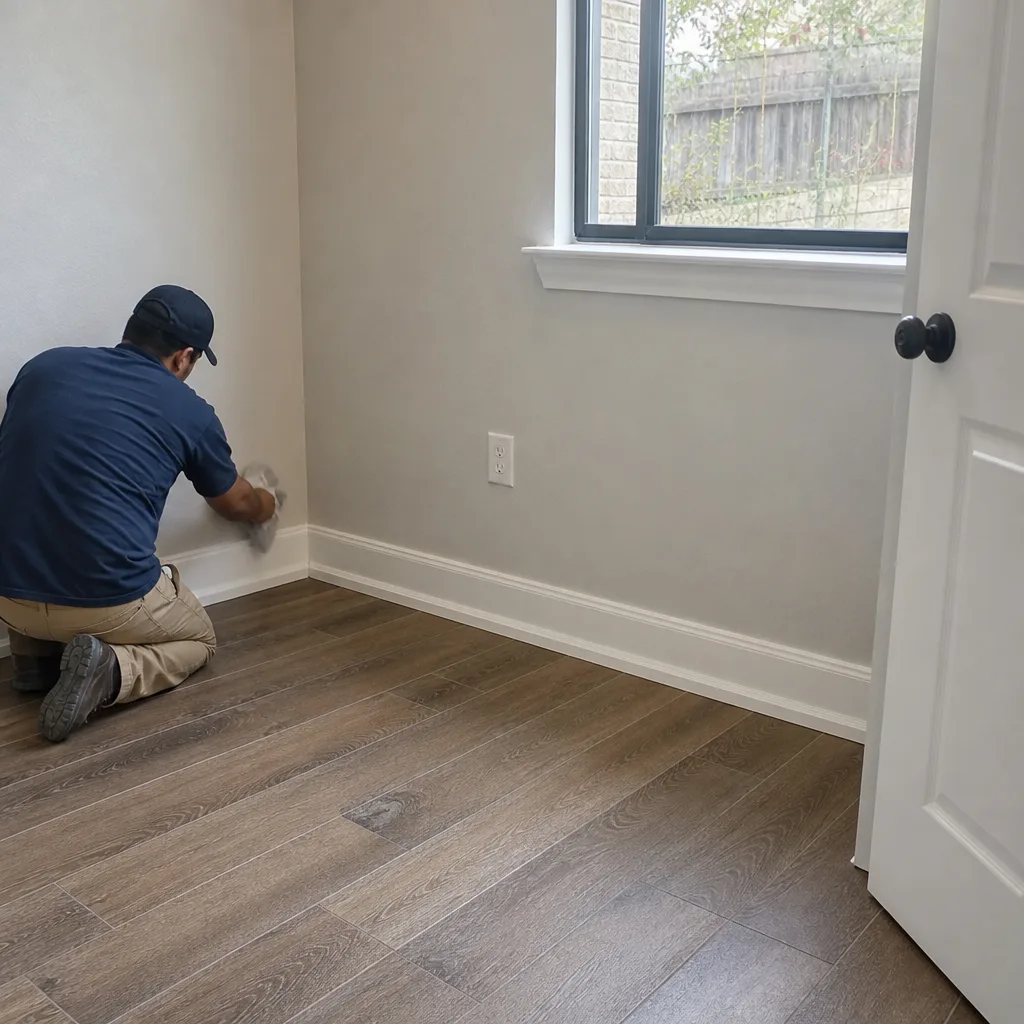 After
After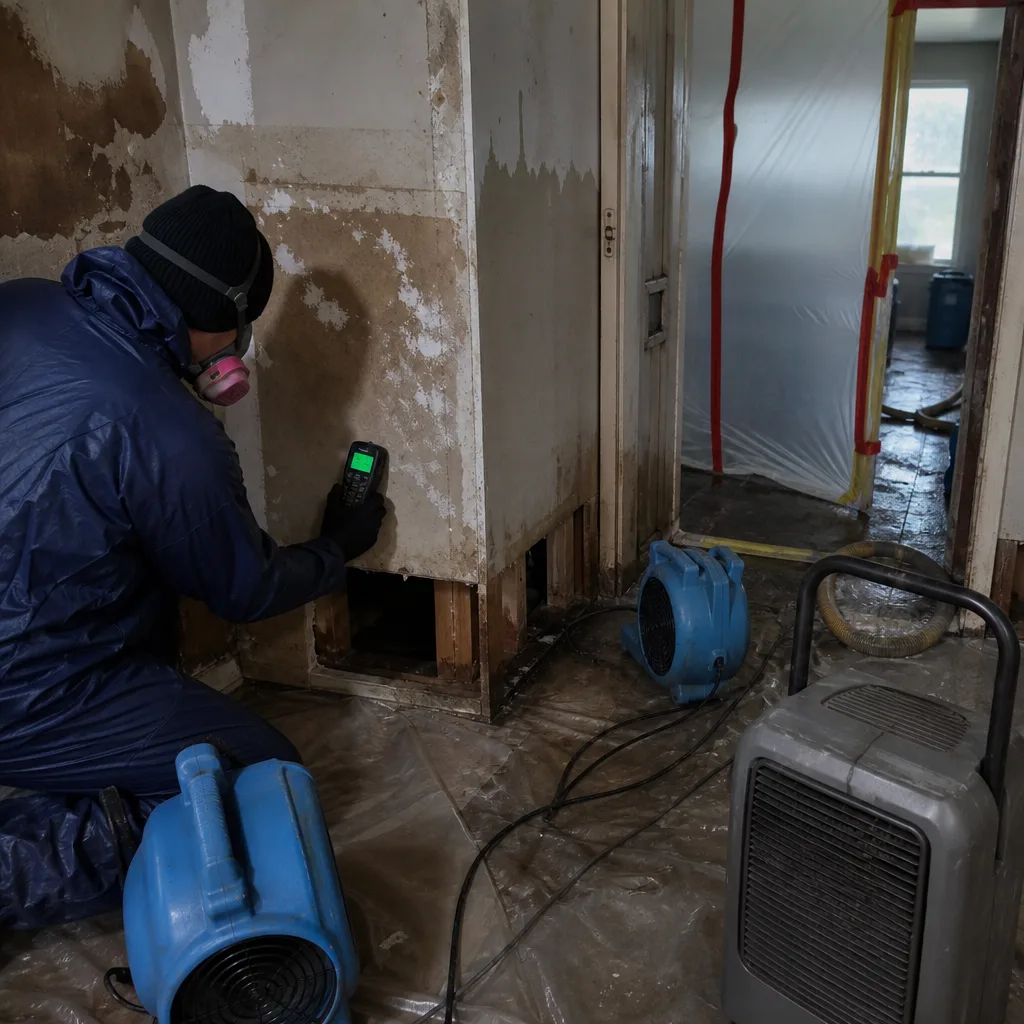 Before
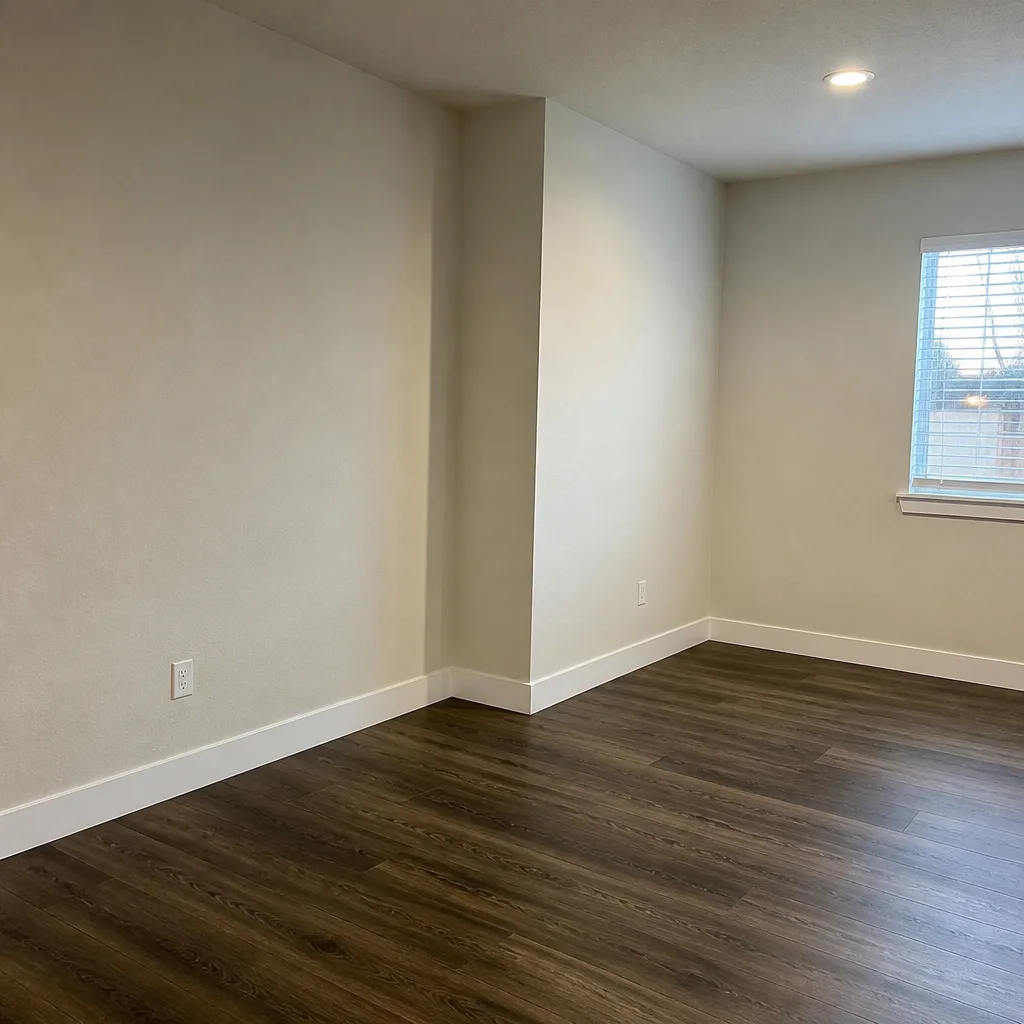 After
AfterStructural Drying & Dehumidification in San Antonio, TX
If you’re wondering how much water damage restoration costs in San Antonio, structural drying alone typically runs $2,800 to $5,400 for a full multi-room job, and you’ll usually have equipment running within a few hours of your call. It’s the process of pulling trapped water out of framing, subfloor, drywall, and cabinetry after a leak or flood, using commercial air movers and dehumidifiers that run continuously until moisture readings confirm the structure is actually dry. Wendell Restoration San Antonio handles this from first call to final moisture check, with a written price before any equipment goes in. If you’re standing in a wet house right now, call (325) 413-9949 and a live person answers, day or night.
We’re part of the home services family at Relay Home Co., and this page covers everything about structural drying and dehumidification: what it is, when you need it, how the process works, what it costs in San Antonio, and the questions homeowners ask us most. For the broader picture on leaks, flooding, and full restoration, start with our Water Damage Restoration in San Antonio page. This page is specifically about drying the building itself, and we’ll get into the weeds.
What Structural Drying Actually Means
Structural drying is the controlled removal of moisture from building materials after water intrusion. That’s different from just setting up fans and hoping for the best. Water doesn’t sit on the surface once it soaks into drywall, baseboards, or the subfloor under your tile. It wicks upward into drywall, sideways into stud cavities, and downward into the slab or crawlspace. If you only dry the air in the room, the wood behind your baseboards stays wet for weeks. That’s how warped flooring, cracked drywall seams, and mold growth start.
Our technicians use psychrometric drying, which means we track the moisture content of both the air and the affected materials throughout the job. We set humidity targets based on the specific materials involved, take daily moisture readings with penetrating and non-penetrating meters, and we don’t pull equipment until the numbers say everything is dry, not just dry to the touch. We follow IICRC standards on every structural drying job, the same protocols used on commercial loss sites.
When You Need Structural Drying & Dehumidification
Most homeowners searching for water damage restoration near me in San Antonio don’t think about structural drying until a problem is already weeks old. Here are the situations where it’s genuinely necessary, and the sooner you call, the less it costs and the less gets torn out:
- A supply line or water heater ruptured. A burst supply line can dump 6 to 10 gallons per minute. By the time you shut off the water, water has traveled under baseboards, into wall cavities, and possibly into adjacent rooms through the subfloor. Surface cleaning alone won’t reach any of that.
- An AC condensate overflow soaked a ceiling. We see this constantly in San Antonio summers. The pan overflows, water saturates drywall and insulation overhead, and it drips down inside the wall. If the ceiling texture is bubbling or sagging, that cavity needs to be opened and dried, not painted over.
- You had standing water for more than 24 hours. After a day of standing water, drywall wicks moisture up to 12 inches or more. The bottom plate of the wall framing and any insulation in the cavity are wet. Without structural drying, you get odor first, then mold.
- You smell mustiness but can’t find a leak. That smell is usually a wall cavity or subfloor that got wet and never dried. A moisture meter can locate it in minutes. If left alone, it becomes a mold remediation job, which costs considerably more.
- Insurance or a buyer is involved. If you’re filing a claim or selling a home, insurers and inspectors want documented moisture readings showing the structure was professionally dried to standard. A fan from the hardware store doesn’t produce that documentation.
- A leak happened while you were away. San Antonio homes sit empty during summer travel, and a slow leak under a sink can go unnoticed for a week. By the time you return, the cabinet base, the drywall behind it, and the flooring underneath are all saturated.
If any of these sound familiar, call (325) 413-9949. We’ll give you a straight answer on whether you need full structural drying or something less involved. If you don’t need us, we’ll tell you that too.
Our Structural Drying & Dehumidification Process
Here’s how a structural drying job works when you call Wendell Restoration San Antonio. Every step follows the Water Damage Restoration playbook we use on all our San Antonio jobs, scaled to your specific loss:
- You call, a live person answers, and we book a time. Not a voicemail. Not a callback queue. You speak to a human being, you get a live arrival time you can track, and a background-checked, uniformed technician shows up when we say they will. Water damage doesn’t keep business hours, so neither do we.
- We assess the full extent of the water. The technician maps the affected area with moisture meters, checks wall cavities, subfloor, and cabinetry, and identifies what’s wet and what’s salvageable. You get a written price for the full drying scope before any equipment is deployed. The number on your written estimate is the number you pay.
- We place drying equipment and set a drying plan. Commercial air movers and dehumidifiers from Dri-Eaz and Phoenix are positioned to create directed airflow across every wet surface. We set a target for humidity and moisture content based on the specific materials in your home, and we run the math on how many days it should take.
- We monitor daily and adjust as needed. A technician returns each day to take moisture readings, reposition equipment if one area is drying slower than expected, and document progress. We use Injectidry systems to dry behind cabinets and inside wall cavities without tearing them out, when conditions allow it.
- We confirm the structure is dry and walk you through the readings. Final moisture readings on every affected material, documented in a report you keep. We don’t pull equipment on a schedule. We pull it when the numbers say the job is done.
- You get before-and-after photos by text. Along with a digital invoice you can pay from a link. Every job also includes the 365-Day Done Right Promise in writing: if something isn’t done right, we make it right. And if the repair fails, the second visit is free.
Every step follows IICRC, RIA, and IFA standards, using the same equipment brands deployed on commercial losses. You’re not getting a smaller, residential version of restoration. You’re getting the same process, just sized to your house.
Structural Drying & Dehumidification Pricing in San Antonio
Structural drying in San Antonio typically costs between $2,800 and $5,400 for an average multi-room water loss. Small, contained jobs run $1,200 to $2,000. Large losses involving multiple rooms, crawlspace access, or hardwood floors push toward $7,000. Here’s how that breaks down:
| Scope of Work | Typical Range in San Antonio |
|---|---|
| Single room, contained leak (small bathroom, laundry closet) | $1,200 – $2,000 |
| Multi-room, hallway, or adjoining closet affected | $2,500 – $4,000 |
| Full floor or whole-home water event | $4,500 – $7,000+ |
| Daily monitoring and moisture reading visits | Included in the written quote |
| Injectidry cavity drying system (per unit, when needed) | $180 – $350 |
| Antimicrobial treatment on affected surfaces | $200 – $600 depending on square footage |
The main cost drivers are how long the water sat, how many rooms are affected, what materials got wet, and whether anything needs to be opened up or removed. Hardwood floors dry slower than tile. Dense materials like plaster and brick hold water longer than drywall. A two-story home with a ceiling leak costs more to dry than a slab-on-grade house with a kitchen leak, because water travels down through framing and ceiling cavities.
We give you a written price before any equipment goes in, so there’s no surprise when the invoice arrives. Call (325) 413-9949 and we’ll walk through your situation and what it’s likely to cost. Estimates are free, and there’s no pressure to move forward.
Why San Antonio Homes Dry Differently
San Antonio’s climate makes structural drying more demanding than in drier parts of Texas. Our summers run hot and humid, with outdoor dew points in the 70s from May through October. If you open windows to “air out” a wet room during summer, you’re often pulling in air that’s already full of moisture, which slows the whole process. Proper structural drying here means running dehumidifiers that remove gallons of water from the air per day while keeping the space sealed. That’s standard practice for us, but it’s why hardware-store fans and open windows don’t get the job done in San Antonio the way they might in El Paso.
The other factor is construction style. Many San Antonio homes are slab-on-grade, which means water that reaches the slab doesn’t have a crawlspace to drain into, making basement water removal techniques essential for proper extraction. It gets trapped under flooring, behind baseboards, and inside wall cavities. That trapped water needs directed airflow and dehumidification to get pulled out. Our drying plans account for that, and we size equipment accordingly.
FAQs – Structural Drying & Dehumidification
How long does structural drying take in San Antonio?
Most structural drying jobs in San Antonio take 3 to 5 days from equipment placement to final moisture readings. Dense materials like hardwood, plaster, or multi-layer subflooring can push that to 7 days or more. Factors like the humidity outside, how long the water sat, and whether the AC is running all affect the timeline. We monitor daily and will tell you exactly where things stand each visit. Call (325) 413-9949 if you need a more specific estimate for your situation.
Is structural drying covered by homeowners insurance?
Structural drying is typically covered under a standard homeowners policy when the water damage is sudden and accidental, like a burst pipe or an appliance leak. Gradual leaks or lack of maintenance may not be covered. We document moisture readings and drying progress in a format insurance adjusters recognize, which helps your claim move. Call (325) 413-9949 and we’ll walk through how to verify your coverage.
Can I just run fans and my AC to dry out the walls?
Fans and AC alone will not dry water trapped inside wall cavities, under baseboards, or beneath flooring. Moisture can stay hidden in those spaces for weeks, and that’s when mold takes hold. Structural drying requires commercial air movers and dehumidifiers running continuously, plus daily moisture monitoring to confirm everything is truly dry. If you’re considering the DIY route, a professional moisture reading is still worth the visit, and it costs far less than mold remediation later. Call (325) 413-9949 for an honest assessment.
Will you have to tear out my drywall or flooring?
Not always. We use cavity drying systems from Injectidry to dry inside walls and under cabinets without tearing them open when conditions allow. Drywall that’s saturated, crumbling, or contaminated may need to be removed and replaced. We’ll show you exactly what needs to come out and what can be saved, before any demolition happens. Call (325) 413-9949 and we’ll assess your home and give you an honest answer.
Dry It Right the First Time
Water damage doesn’t wait, and neither do we. If you’ve had a leak, a flood, or a mystery musty smell in your San Antonio home, call (325) 413-9949 right now. A live person answers, gives you a straight answer on what you’re dealing with, and books a time that works for you. You’ll get a written price before any equipment goes in, a live arrival time you can track, and before-and-after photos by text when the job is done. That’s the Wendell Restoration San Antonio way, and it’s how structural drying should work.
Written by Blake Sorensen, Owner at Wendell Restoration San Antonio, serving San Antonio.